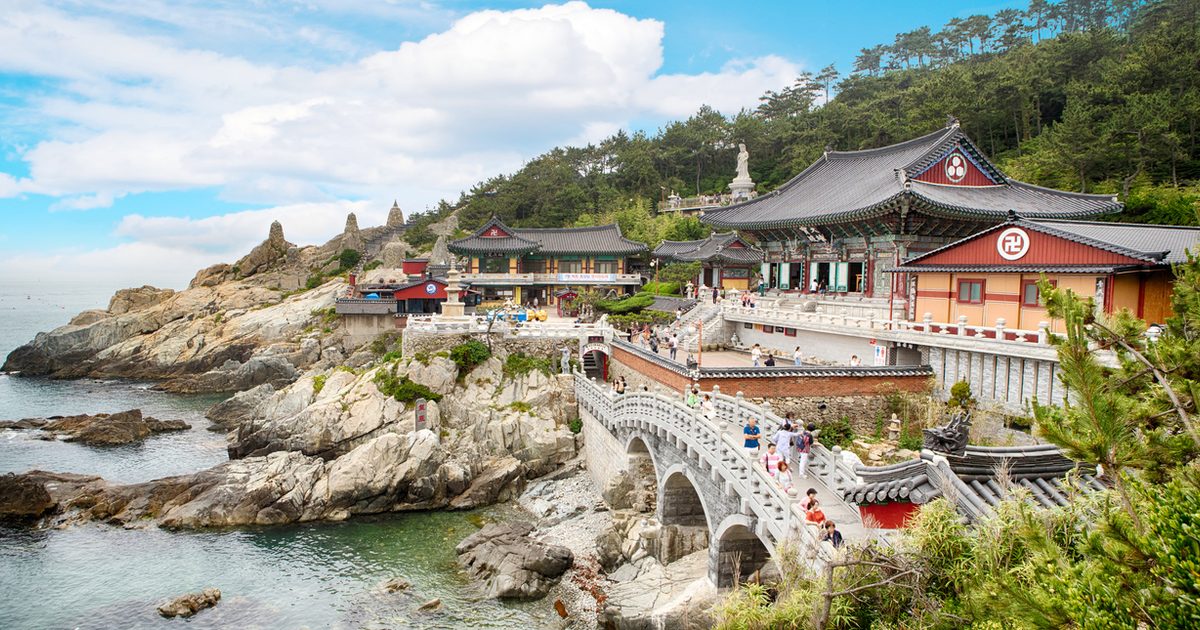
If your plans for Busan begin and end with Haeundae and Gwangalli, you have yet to discover Haedong Yonggungsa, set along the coastline of Gijang-gun. The first time I saw a photograph of this temple, I did a double take. It is undeniably a Buddhist temple — yet the sea fills the background. Instead of a mountain gate, there is a wave-battered cliff face; beyond the eaves of the main hall, the horizon stretches unbroken. The claim that this is 'one of the most beautiful temples in Korea' feels anything but an exaggeration.
What Is Haedong Yonggungsa?
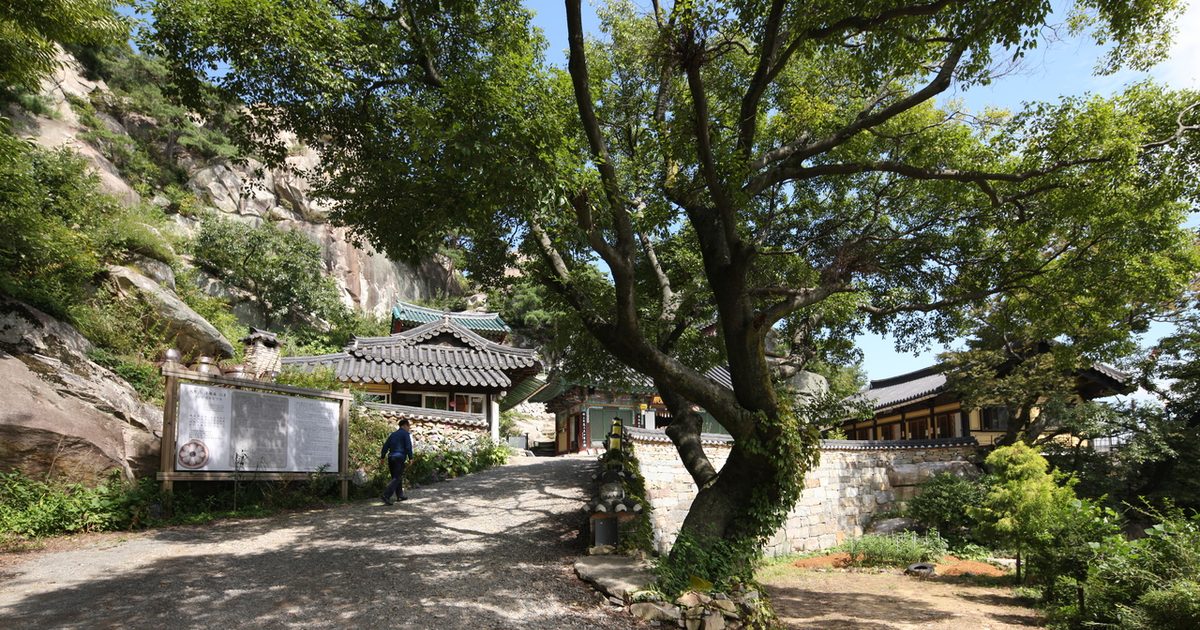
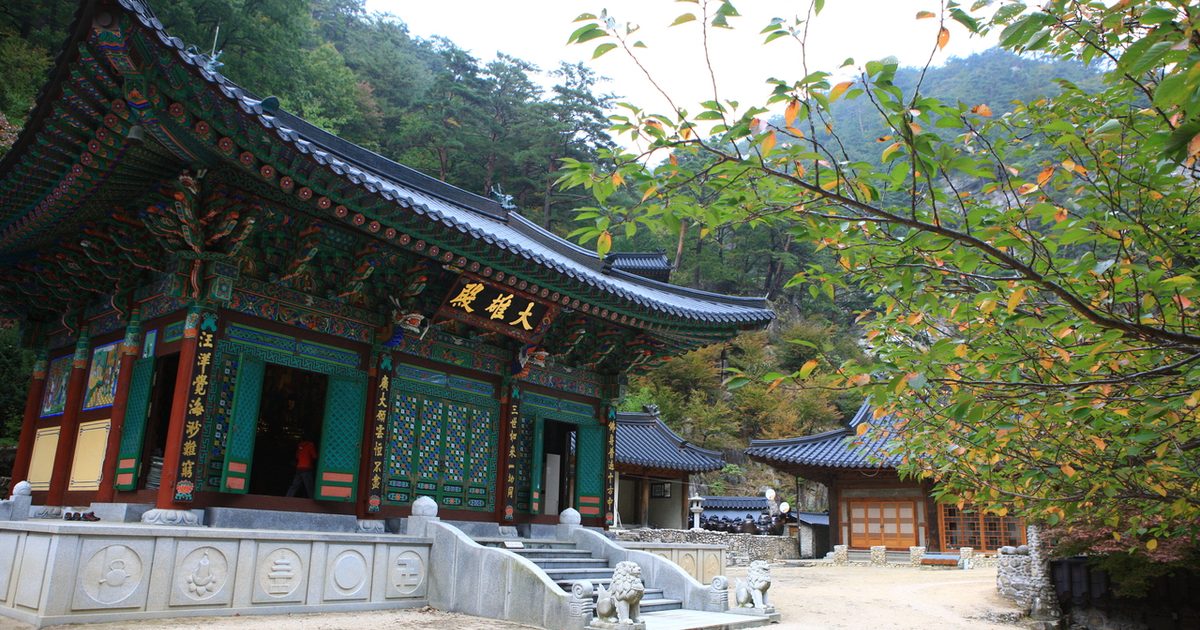
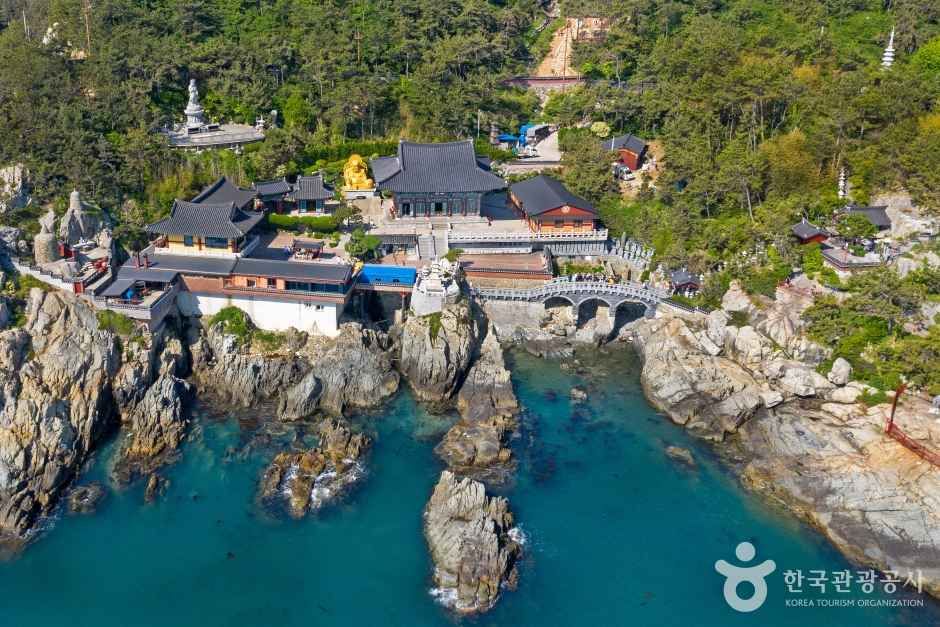
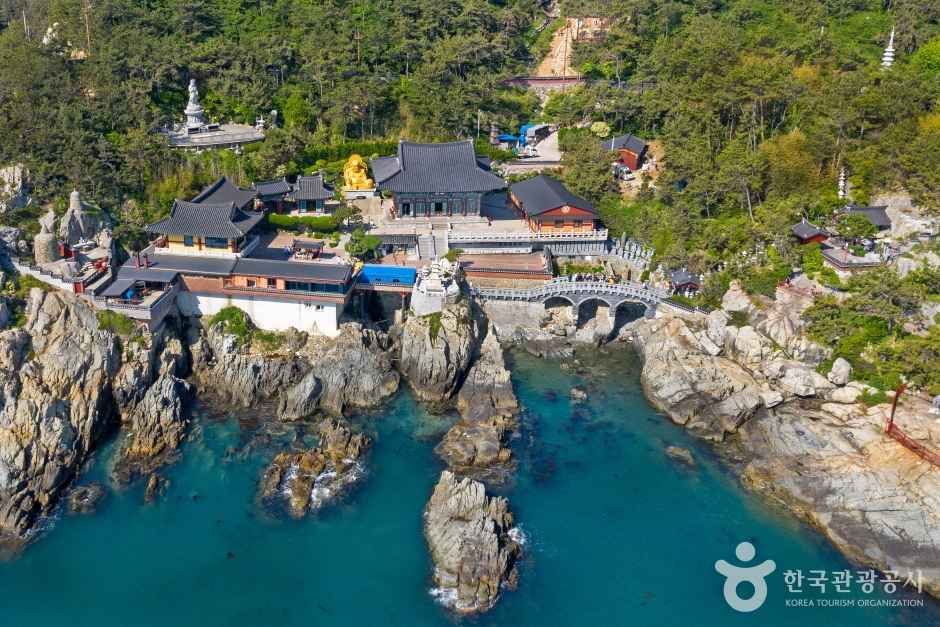
Haedong Yonggungsa is located at 86 Yonggung-gil, Sirang-ri, Gijang-eup, Gijang-gun, Busan (416-3). Perched on a coastal cliff above the East Sea, it is widely known as 'the temple closest to the sea.' Unlike most Korean Buddhist temples tucked away in mountain valleys, the buildings here cling to the very edge of a seaside cliff, creating a singular composition in which sacred architecture and coastal scenery share the same frame.
The site also holds significance within Korean Buddhism. Haedong Yonggungsa is officially recognised as one of Korea's Gwaneum Seongjis — sacred sites dedicated to Gwaneum, the Bodhisattva of Compassion. In 2021, it was formally registered as a branch temple of Hwaeomsa, the head temple of the 19th district of the Jogye Order of Korean Buddhism; prior to that, it had operated as a privately owned temple. The current abbot is Venerable Deungnim. It is these qualities that draw not only domestic and international tourists, but also Buddhist pilgrims who come specifically to pray.
Why June in Particular?
Early summer is an especially well-suited time to visit. The weeks spanning early to mid-June fall before the rainy season sets in, bringing a relative abundance of clear days and the crystalline blue-green water the East Sea is known for. Crowds are noticeably thinner than during the peak holiday months of July and August, and early mornings offer a calm, luminous view of the horizon from the clifftop. The sea breeze is gentle rather than biting, making it easy to stroll through the temple grounds at a leisurely pace. In June, Haedong Yonggungsa extends an unhurried welcome to both the traveller who comes simply to look and the visitor who comes to pray.
What to See and How to Explore
The scenery begins the moment you start down the stone staircase from the entrance to the main precinct. As you descend, the temple buildings — set hard against the coastal cliff — reveal themselves one by one, while the sound of the waves grows steadily clearer. The Yongwangdang (Dragon King Shrine) and the Haesu Gwaneum Statue are among the most frequently mentioned highlights, and a contemplative atmosphere steeped in devotion pervades every corner of the grounds. Even for visitors with no religious purpose, simply seeing with your own eyes the way the buildings and the sea overlap in a single view is genuinely striking. A popular option is to pair the visit with a drive along the nearby Gijang coastal road.
Getting There and Practical Information
By public transport, the most common approach is to take Busan Metro Line 2 to Haeundae Station or the Donghae Line to Gijang Station, then transfer to a local bus. By car, following the coastal road toward Gijang is straightforward — navigation apps route you there without difficulty. Parking is available near the temple, though on weekends and public holidays spaces fill up early.
Admission is free and the temple is open year-round. Visitor numbers peak on weekend mornings, so if you want to explore in peace, a weekday morning or an early-morning arrival is the better bet. Given that parts of the clifftop precinct have uneven ground, comfortable walking shoes are a sensible basic.
If you are looking to see Busan from a different angle, Haedong Yonggungsa makes a compelling case for itself. A temple built above the sea — it is something that photographs alone do not quite let you feel until you are standing there yourself.