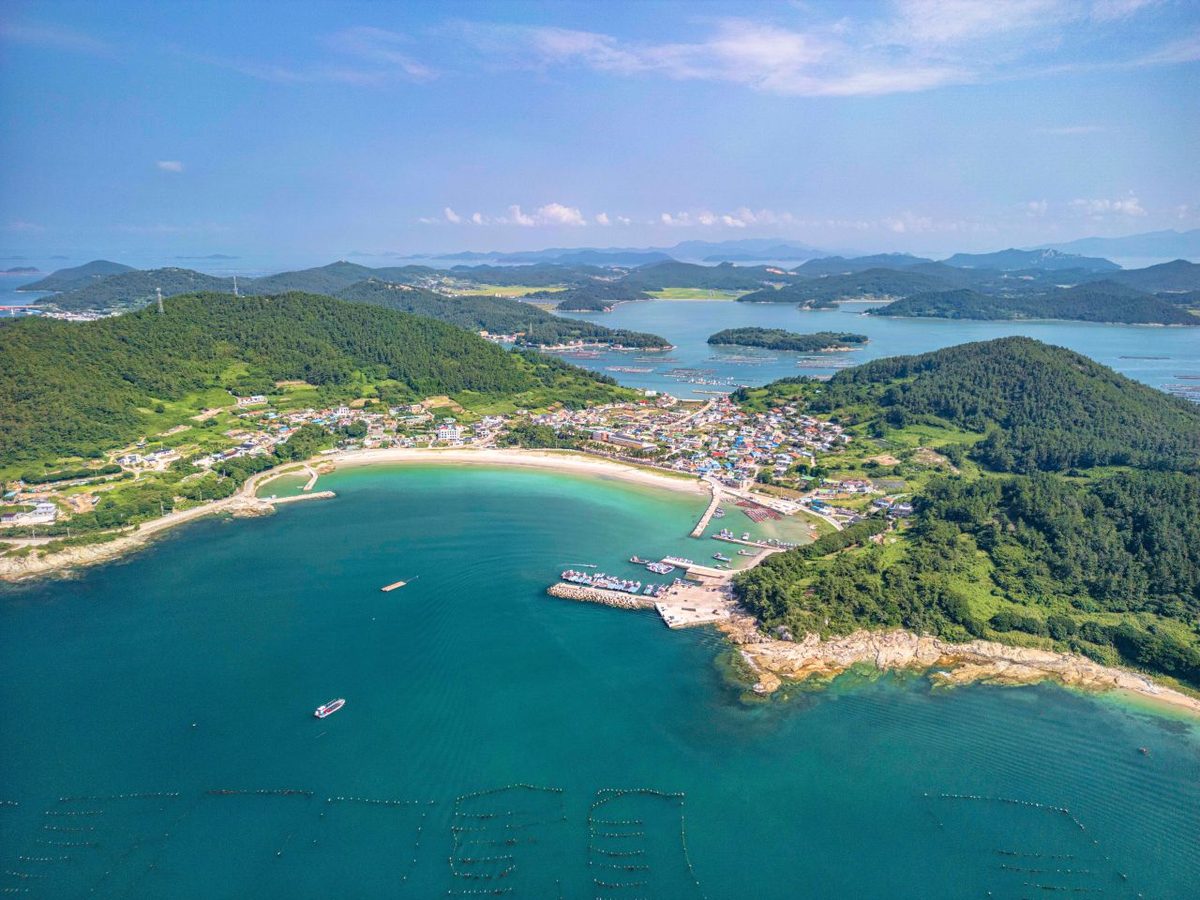
A little over an hour by ferry from Wando, the moment you step onto Bogil-do a pleasantly unhurried air seems to wrap itself around you. This island feels less like a tourist destination and more like somewhere quietly tucked away from the world — and right in its heart stands a garden that Yun Seon-do, a mid-Joseon civil official, devoted his whole life to completing. It is still there today.
Why June?
Early summer is when Bogil-do's greenery reaches its deepest intensity. The hillsides that cradle Buyongdong Wonrim are drenched in rich green, and water lilies begin to bloom across the pond at Seyeonjeong. June — just before the full heat and crowds of midsummer take hold — is when the whole island is at its quietest, and it is the last window in which you can stroll the wonrim's paths at a leisurely pace. Visitor numbers do tick up each June, but the atmosphere is worlds apart from the peak season of July and August.
Yun Seon-do's Paradise: Buyongdong Wonrim
In 1637, while sailing toward Jeju-do, Yun Seon-do was so captivated by the beauty of Bogil-do that he stopped in his tracks. He remained here until his death in 1671, immersing himself in scholarship and poetry. The Buyongdong Wonrim he created is divided into three main areas: the grounds around Nakseoaje, his residential quarters; the area around Dongcheonseoksil, a retreat halfway up the hillside; and the area centred on the pond and pavilion of Seyeonjeong, a space designed for leisure and enjoyment.
Of the three, Seyeonjeong catches the eye first. Arranged like an island in the middle of a pond, the space brings water, stone, and pavilion together into a single, seamless composition. Once you stand there yourself, it becomes easy to understand why it is counted among the three great byeolseo gardens of the Joseon period. Nakseoaje is modest in scale, but it is the place where Yun Seon-do is said to have actually lived and written his celebrated sijo sequence "Eobusasisa" (The Fisherman's Calendar), so it would be a shame to walk past without pausing. Dongcheonseoksil requires a short climb up a steep path, but it rewards the effort with a panoramic view over the entire wonrim.
In 2008 the site was renamed 'Bogil-do Yun Seon-do Wonrim' and is currently designated and managed as a Historic Site.
Admission and Opening Information
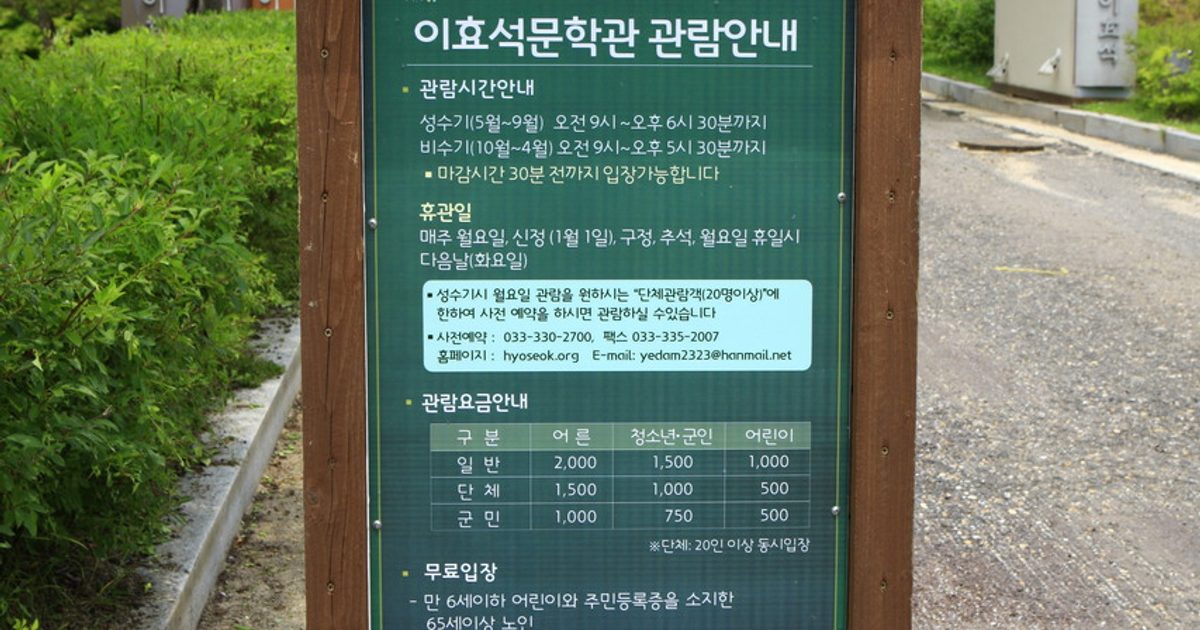
Admission is ₩3,000 for adults, ₩2,500 for teenagers and military personnel, and ₩2,000 for children. Discounts apply for groups of 20 or more. Free entry is available for residents of Wando County, visitors aged 65 and over, children aged 6 and under (when accompanied by a guardian), and national merit awardees, among others. Opening hours are 09:00 to 18:00, with last admission at 17:30. The site is closed every Monday, on 1 January, and on the main day of Seollal and Chuseok, so be sure to check before you visit. For enquiries, contact the Seyeonjeong ticket office at 061-550-6637.
Getting There and Practical Tips
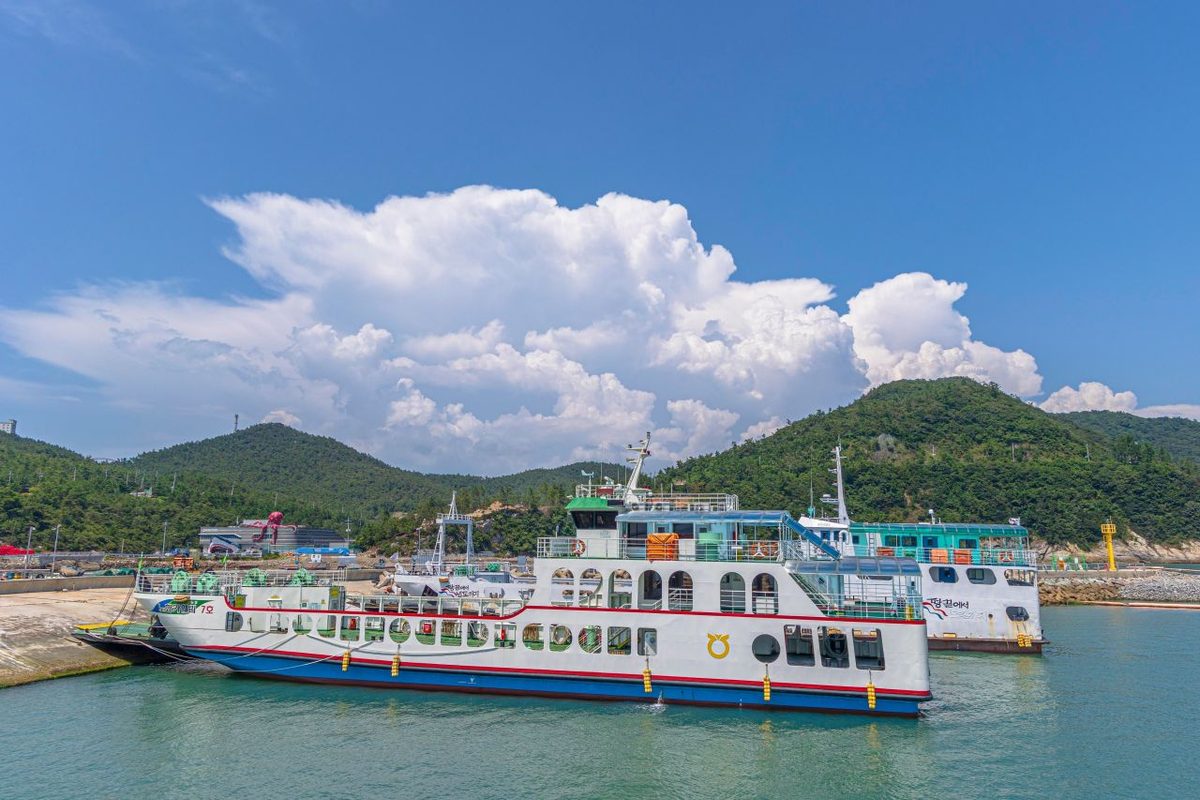
The usual way to reach Bogil-do is via Hwahungpo Port in Wando or Dongcheon Port on Nohwa-do. Take a car ferry from Wando to Nohwa-do, then drive across to Bogil-do via the connecting bridge (the Nobo-ro). Once on the island, renting a car or an electric bike is by far the most convenient way to get around; public transport runs infrequently and is hard to recommend if you are short on time.
An early morning visit to the wonrim is highly advisable. Group tours tend to arrive in the afternoon, and the June sun is stronger than you might expect. Do set aside a moment to sit on one of the shaded benches around Seyeonjeong and simply gaze out over the pond. Bogil-do is an island that suits travellers who are in no particular hurry — and on a day when there is nowhere else you need to be, it is at its very best.