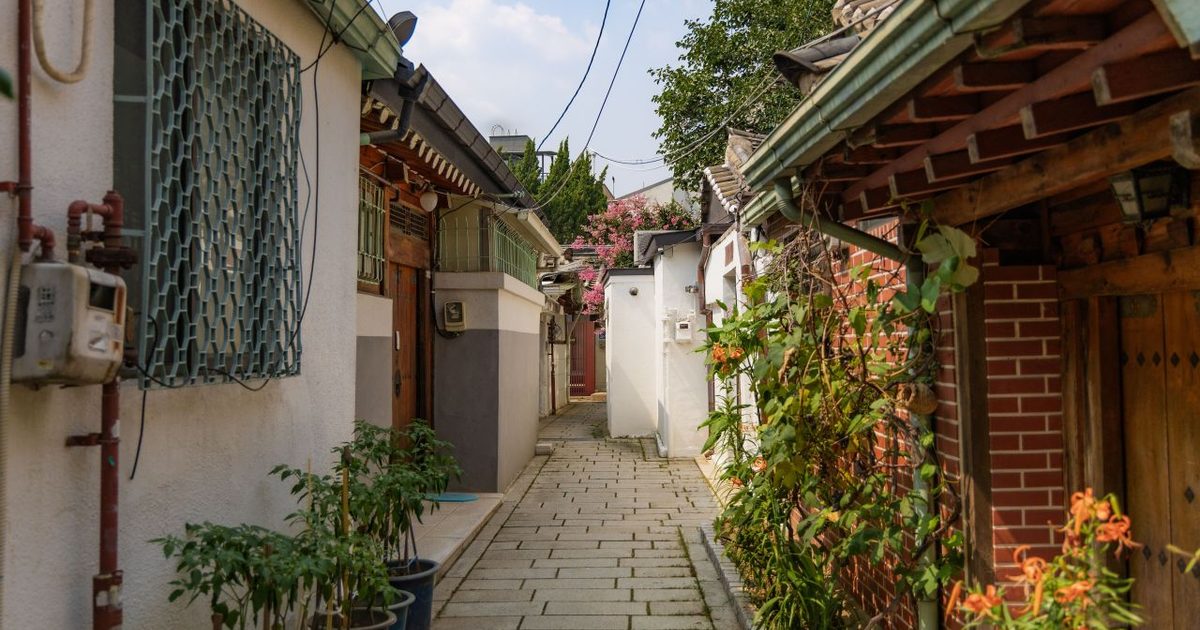
Walking out from the alleys near Gyeongbokgung Station, tiled roofs peek out between tall buildings. Seochon refers to the area between the west side of Gyeongbokgung Palace and the east side of Inwangsan Mountain, encompassing Cheongwon-dong, Hyoja-dong, and northern Sajik-dong. This neighborhood preserves hanok houses from the Joseon Dynasty and traces of modern cultural figures.
Why June Makes Seochon Special
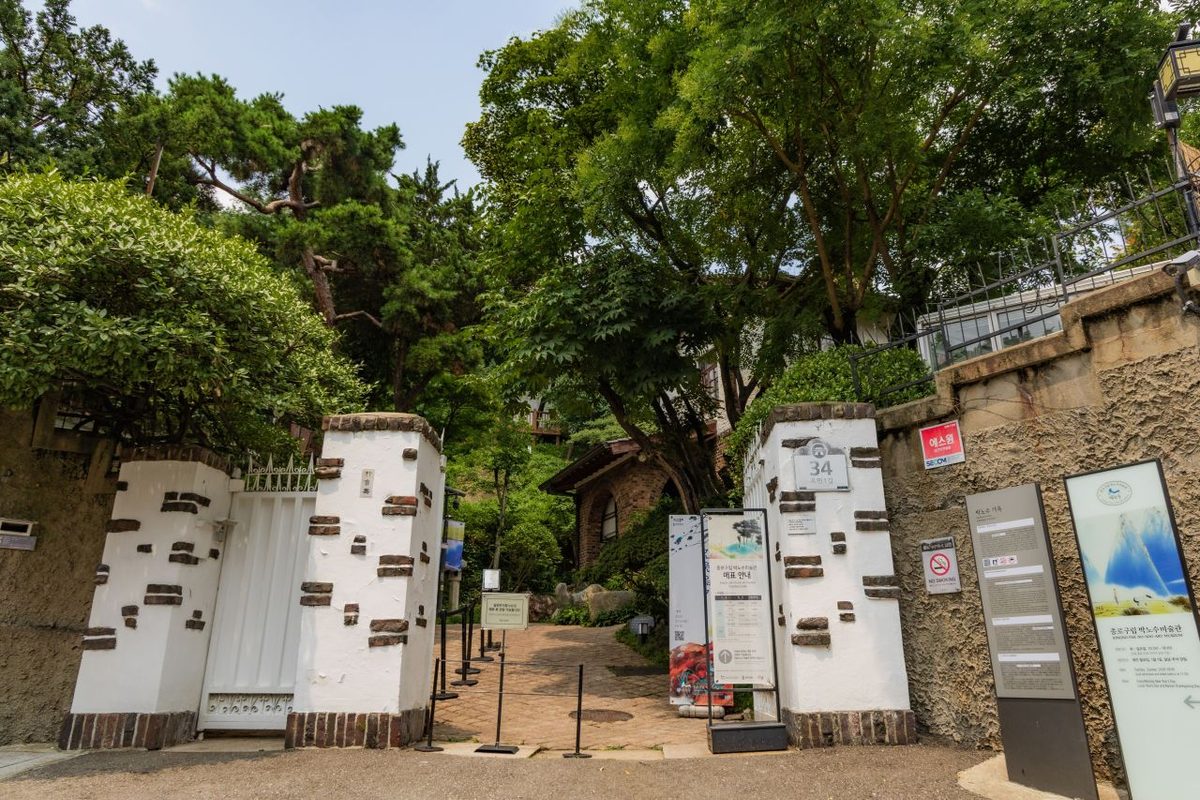
June is the perfect season for walking through Seochon. Tree shadows cast between hanok eaves and alleyways provide just enough shade from the early summer sun, and since the intense heat hasn't yet begun, it's comfortable to explore slowly. You can especially feel the cool breeze from Inwangsan Mountain flowing through the alleys, allowing you to wander leisurely without being exhausted by the heat.
Must-Visit Hanok Houses and Cultural Spaces
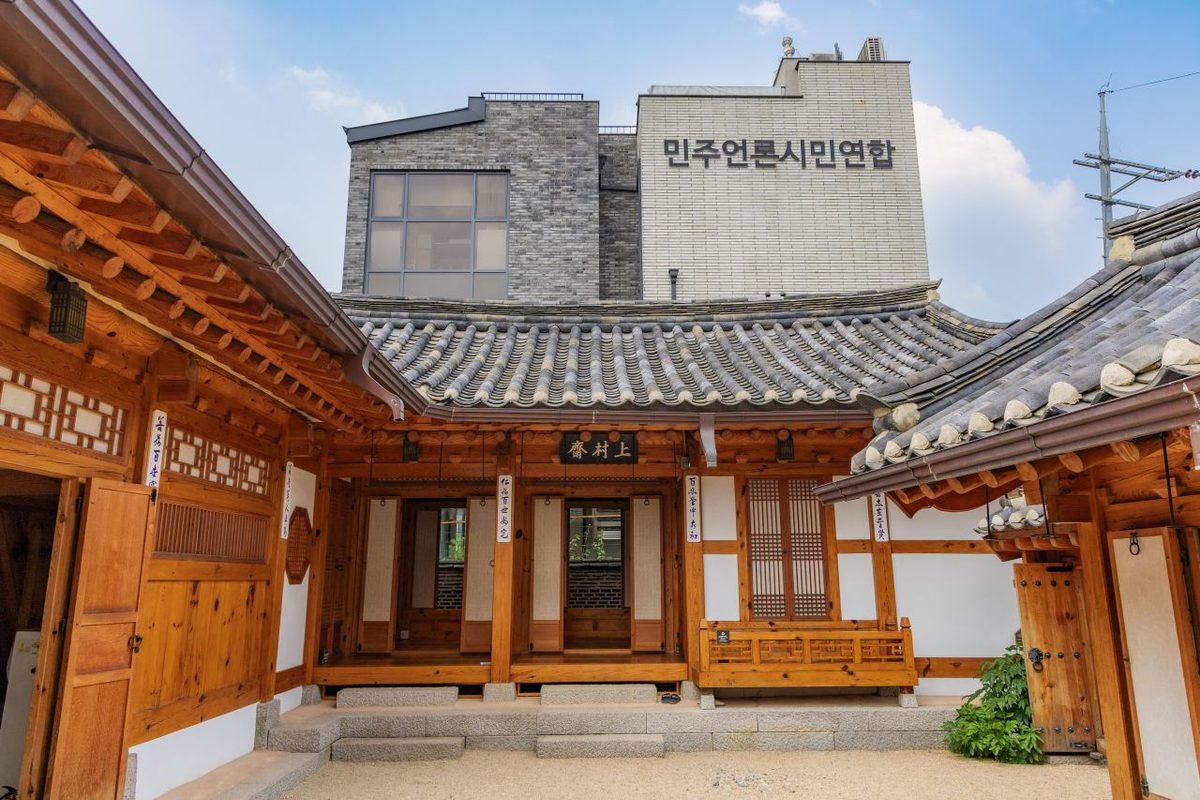
The highlight of exploring Seochon is undoubtedly the traditional hanok houses. **Sangchonjae** is a cultural space that was reborn in June 2017 after a year-long restoration of an old abandoned hanok owned by the police agency. It now offers various programs where visitors can experience traditional hanok architecture and Korean traditional culture. You can both admire the beautiful structure of hanok and participate in traditional cultural activities—killing two birds with one stone.
**Cheongjeon Lee Sangbeom's House** is another unmissable attraction. This place where painter Lee Sangbeom lived for 43 years from 1929 until his death in 1972 offers a glimpse into a page of Korean modern art history. Experience the atmosphere of a space where the charm of hanok architecture blends with an artist's life.
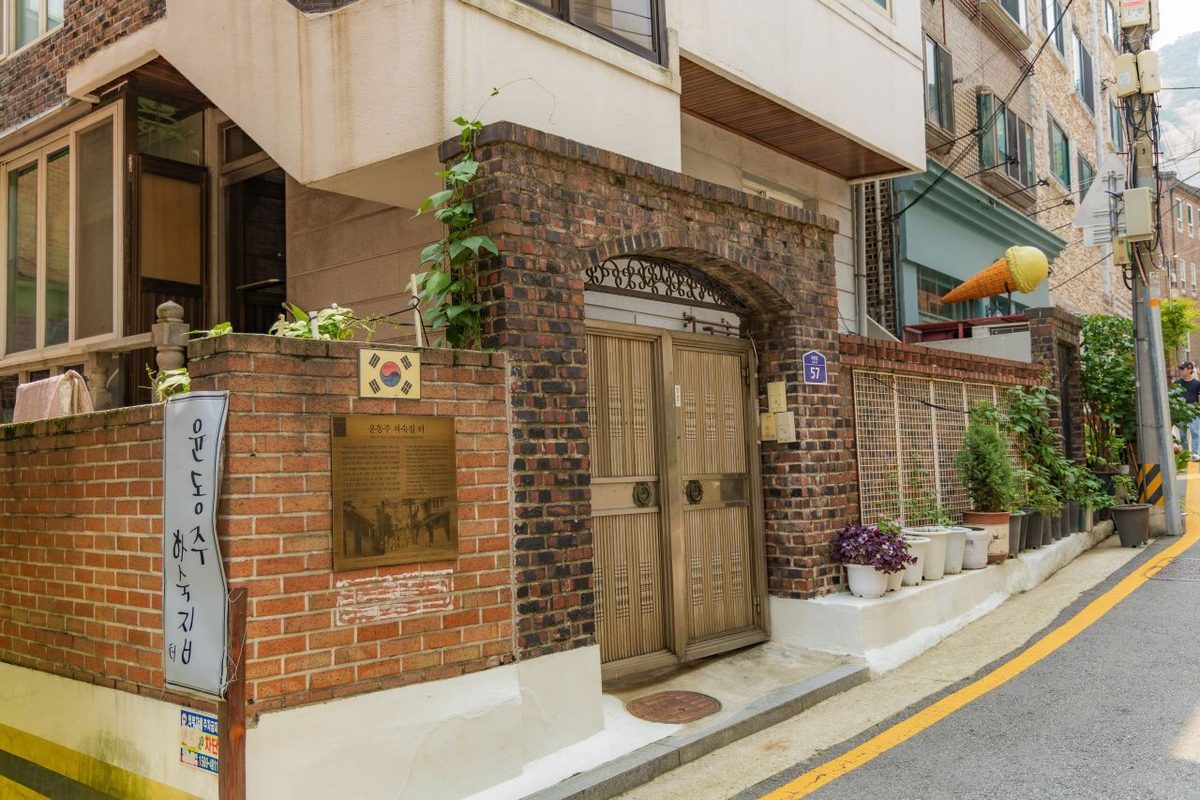
The Yun Family House in Ogin-dong is also known for exemplifying the characteristics of Joseon Dynasty hanok architecture, making it worth visiting for those interested in traditional architecture.
Efficient Exploration Route
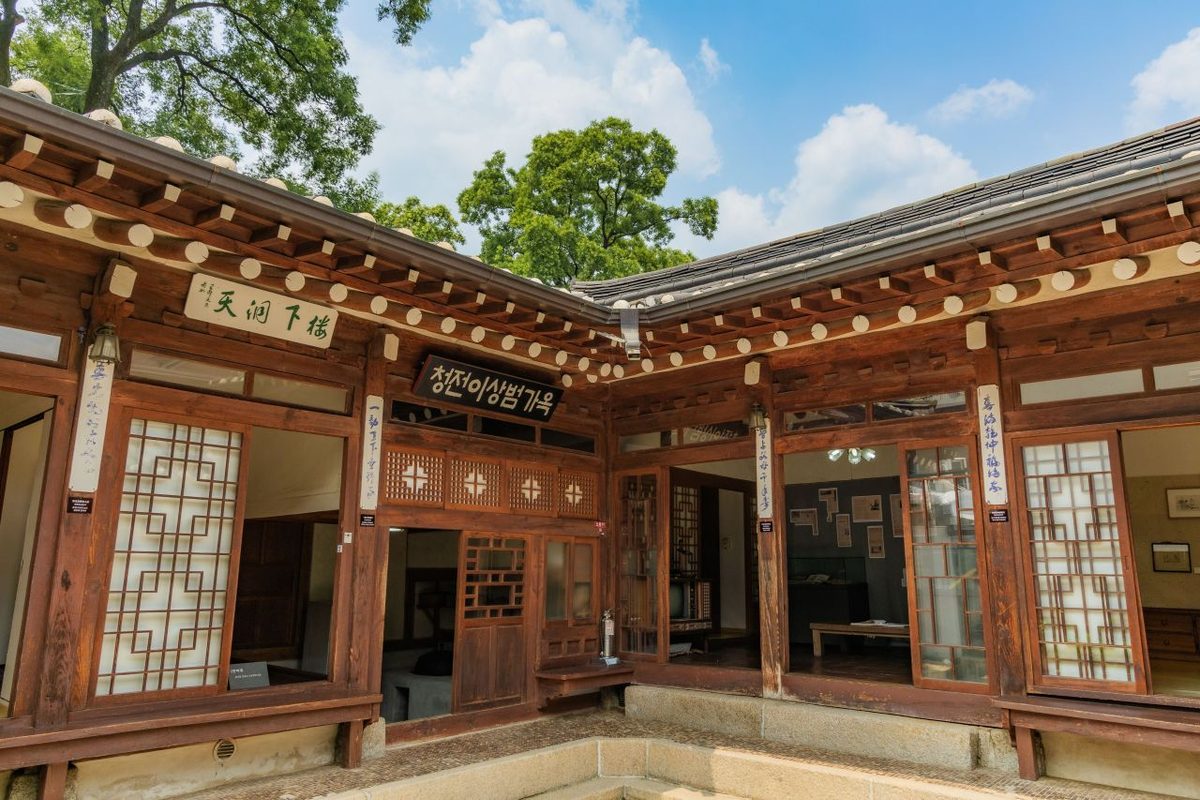
We recommend a walking course starting from Exit 3 of Gyeongbokgung Station on Subway Line 3. The route passes through Baeksongto in Tongui-dong, then continues to Sangchonjae, Yun Family House in Ogin-dong, Suseong Valley, the site of Yun Dongju's boarding house, Park Nosu Art Museum, and Lee Sangbeom's House, effectively covering Seochon's major attractions.
Walking the entire course slowly takes about 2-3 hours, and we recommend taking sufficient time to explore each hanok and cultural space thoroughly.
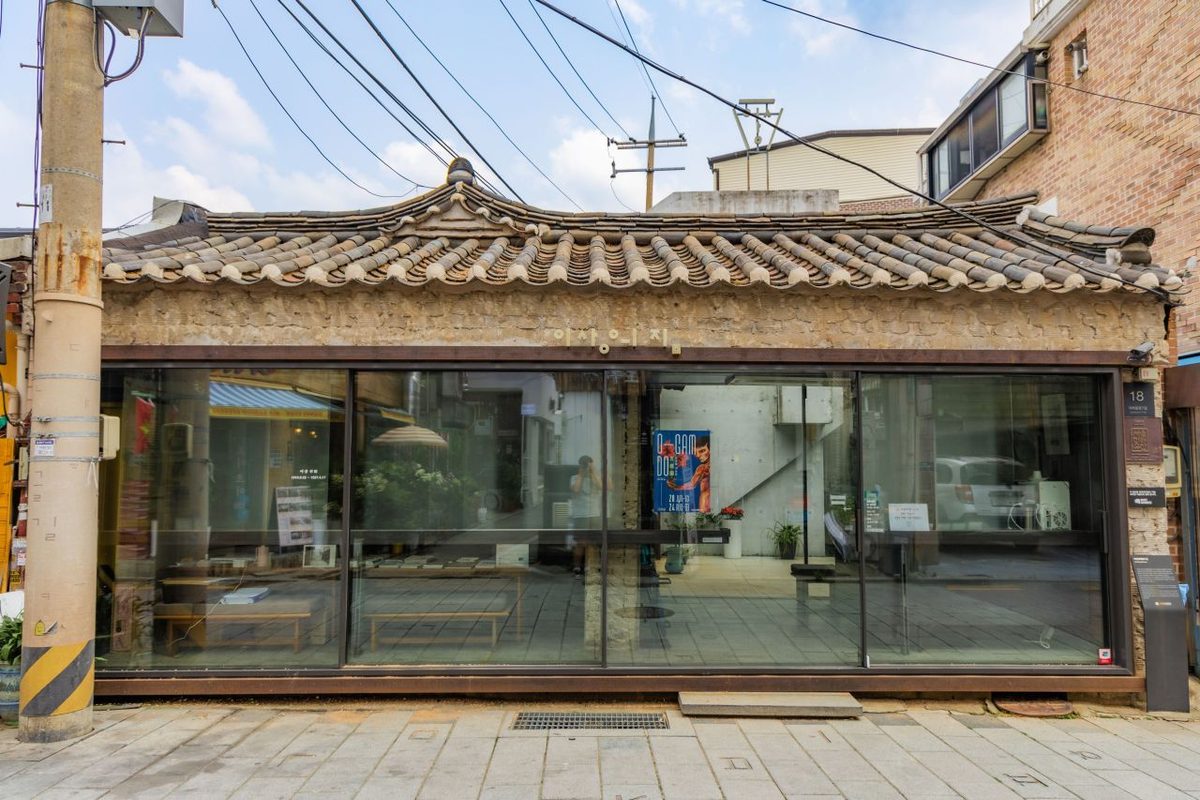
Practical Tips for Exploring Seochon
The best time to explore is between 10 AM and 4 PM. Too early and cultural spaces may not yet be open; too late and the diminishing shade can make walking difficult.
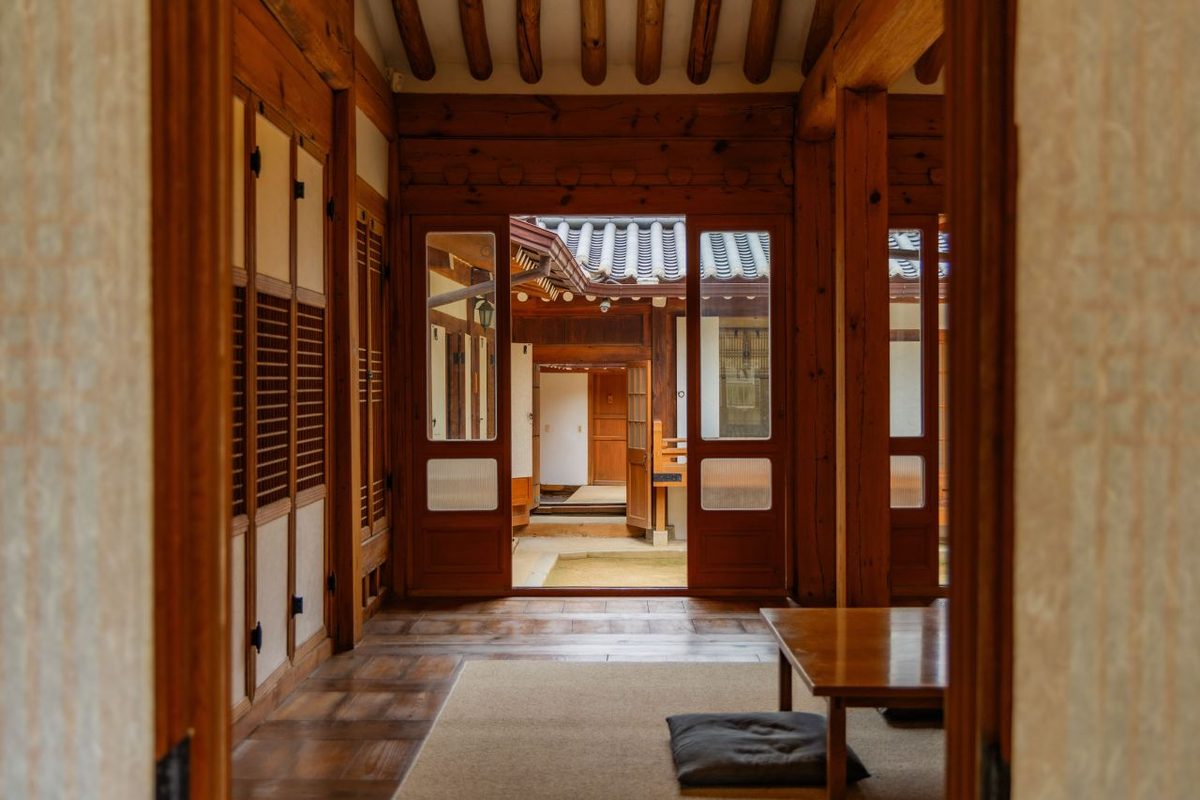
Weekdays are relatively quieter than weekends, allowing for more leisurely exploration. Most hanok cultural spaces are either free or charge only modest fees for experiences, making them accessible without burden.
Wear comfortable walking shoes, and since the alleys are narrow with some sloped sections, take your time walking and enjoy the surrounding scenery at a relaxed pace.


