October is when Jeju sheds its summer crowds and the sky opens up. The coastal breeze turns pleasantly cool by midday, and in the early hours the sun sits low enough to rake across every ridge and hollow of the cliffs in raking sidelight. That stage is set at the Jungmun–Daepo Haean Jusangjeolli (Jungmun–Daepo Coastal Columnar-Joint Zone) on Jeju's southern shore.
Why October Mornings
The columnar cliffs are impressive at any hour, but in October the low sun angle during morning hours catches the basalt face at an oblique angle, turning its characteristic dark reddish-brown into a deep gold. There are no entry queues of the kind that form during the summer peak season, and the walkway is nearly empty, leaving the sound of waves against the cliff face almost entirely to you. Local Jeju residents have long used this stretch as a morning-walk route for good reason: the sheer scale of the cliff wall, encountered suddenly along a palm-lined coastal path, is far more arresting in person than any photograph suggests.
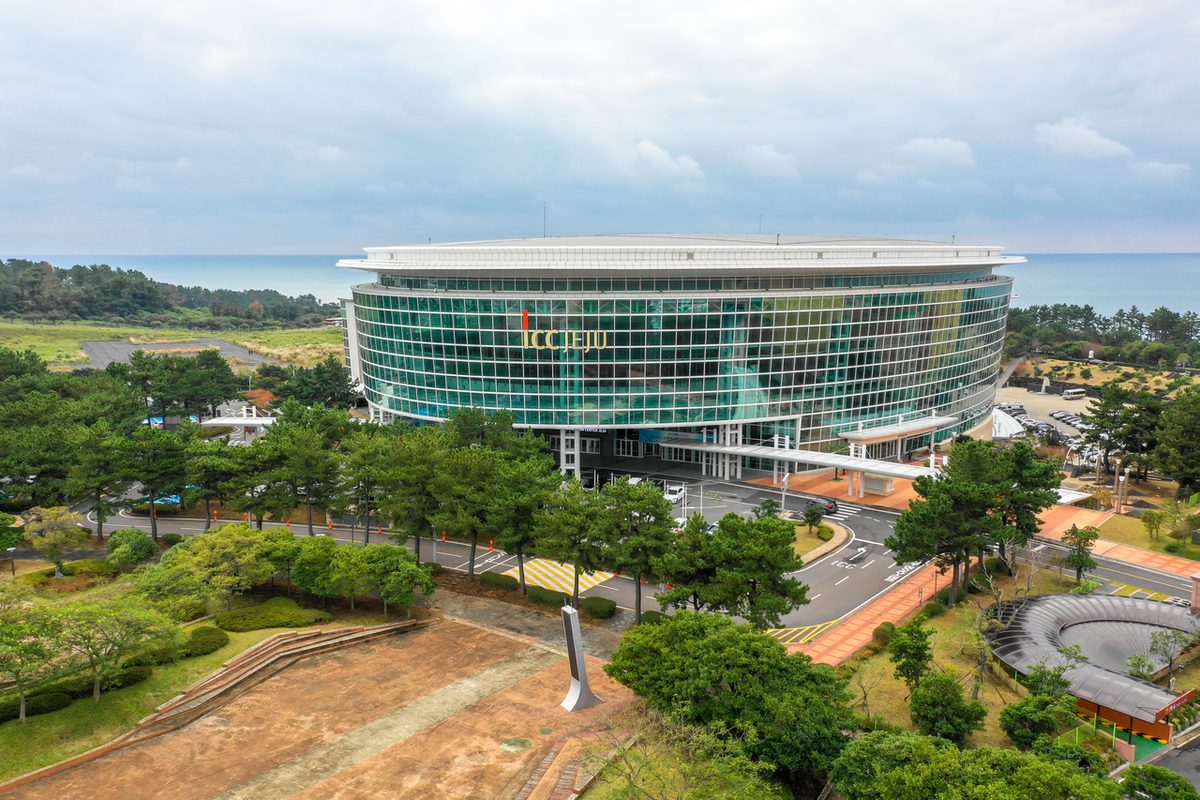
What You Will See
Daepo Jusangjeolli — official name: Jungmun–Daepo Haean Jusangjeolli — is a Natural Monument formed when thick lava flows cooled and contracted into rows of four- to six-sided basalt columns arranged like a folding screen along the shoreline. The site was designated Natural Monument No. 443 in 2004. Observation decks are positioned so visitors can look closely at individual columns from short range. The full viewing circuit is relatively short, yet most visitors end up lingering far longer than planned: the contrast between white surf crashing against dark rock shifts in character with every change of season and time of day.
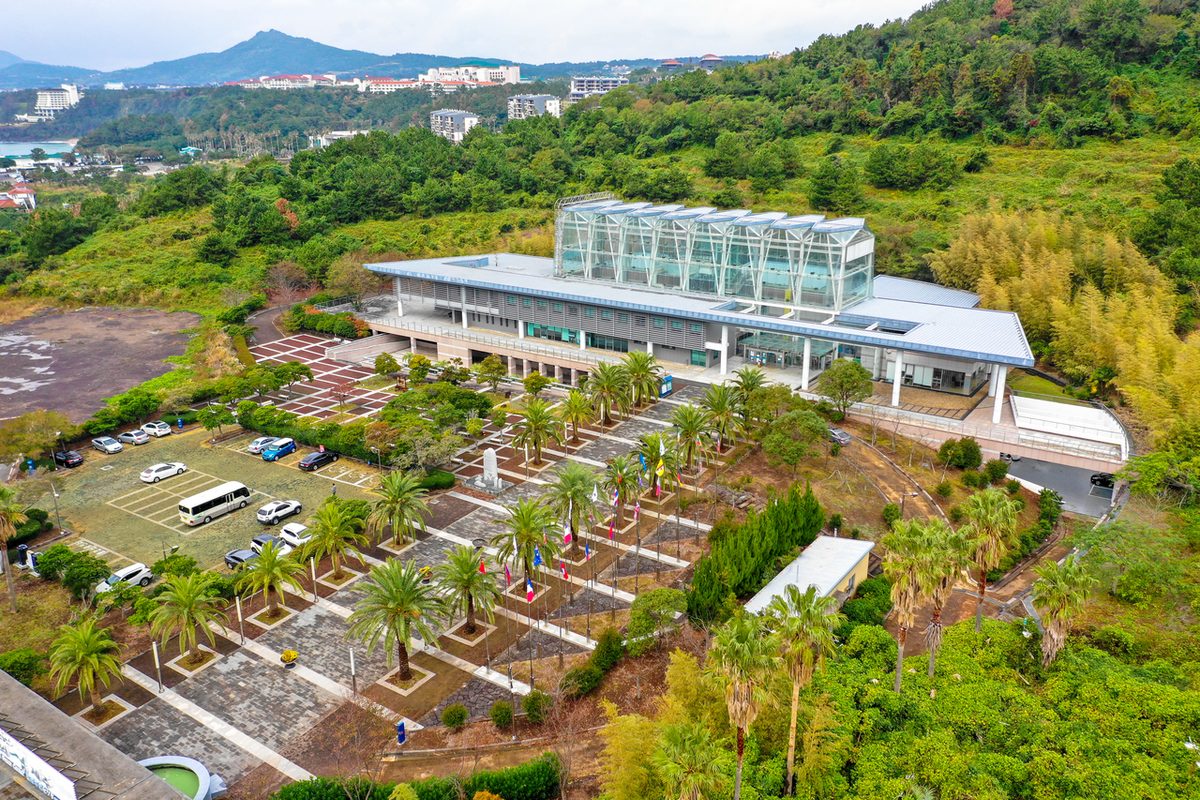
Getting There
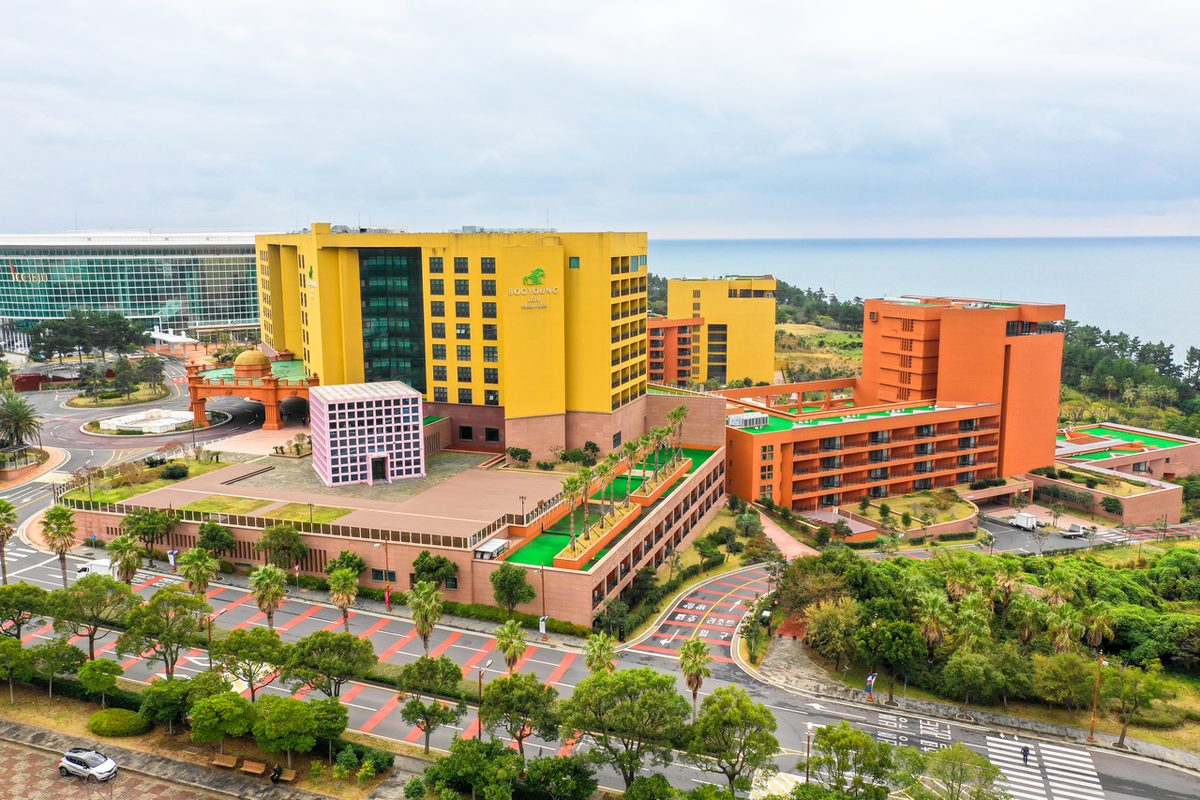
The address is 36-24 Ieodo-ro, Seogwipo-si, Jeju. The site is open daily from 09:00 to 17:50; last admission is at 17:30. Admission is ₩2,000 for adults and ₩1,000 for children; Jeju residents, senior citizens, and visitors with disabilities enter free. Parking is in a privately operated car park: ₩1,000 for compact cars, ₩2,000 for standard cars. Visitors travelling by rental car will find the site within a ten-minute drive of accommodation in the Jungmun Tourist Complex, making it a low-effort first stop on a morning itinerary.
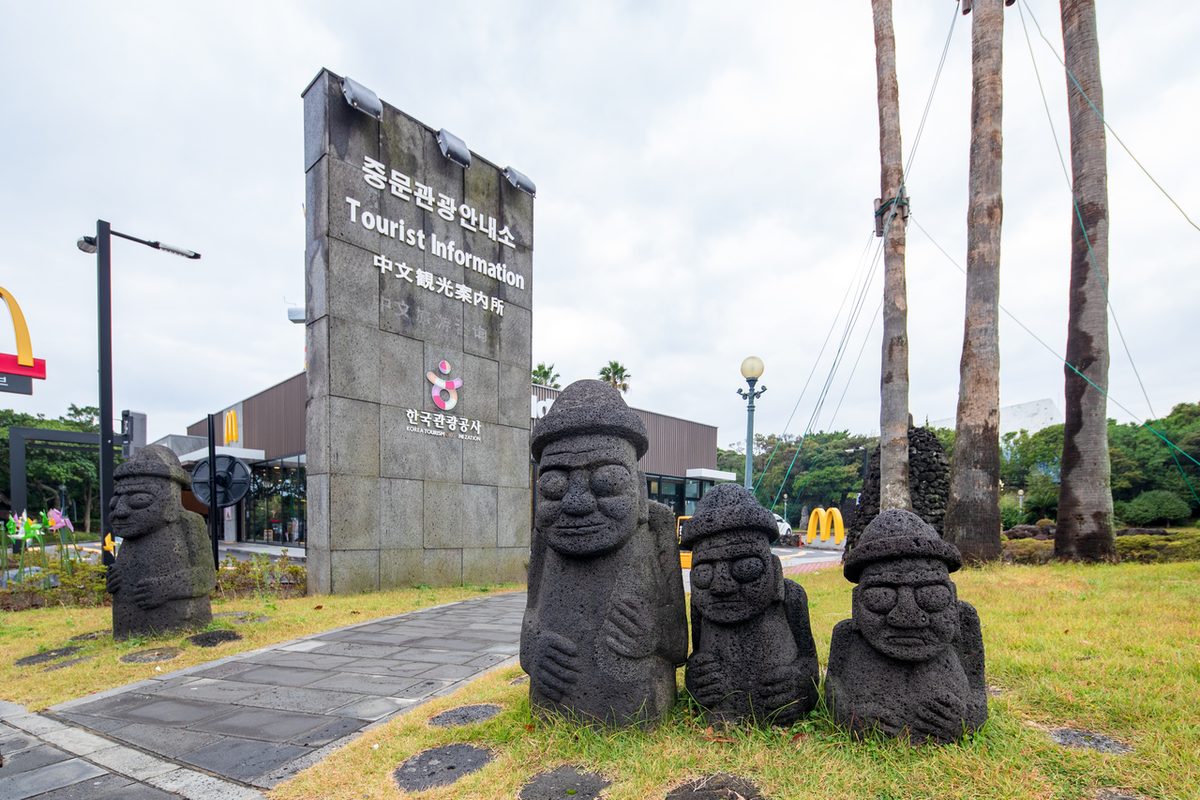
Practical Tips
Because the site opens at 09:00, a pre-dawn visit is not possible. The practical sweet spot is 09:00–09:30, before the first tour coaches of the day arrive — this window is effectively when local residents have the place to themselves. October weather on Jeju can be variable, so pack a windproof layer: the exposed coastal cliff face channels the wind and the felt temperature drops noticeably. After your visit, the palm-lined coastal path makes for a natural, unhurried transition toward your next stop. If you are staying in the Jungmun Tourist Complex, slotting this in as a walk before breakfast is the most efficient way to structure your morning.