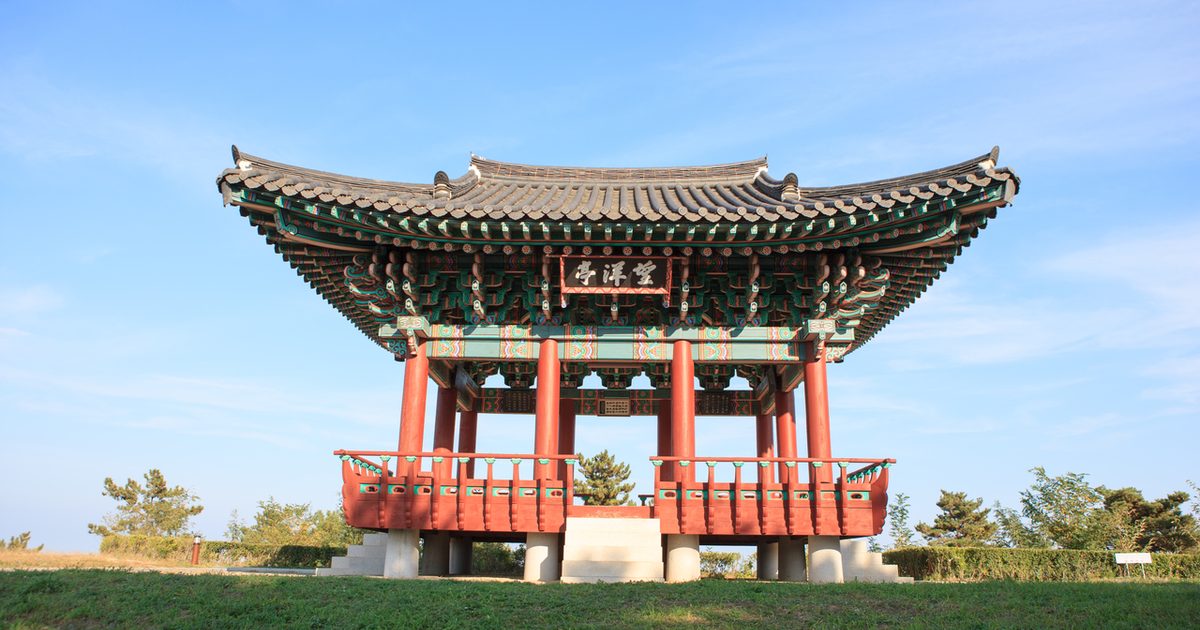
October brings a rare combination to Korea's east coast: autumn foliage and open ocean in the same frame. At the centre of that scene, Mangyang-jeong stands on a hill in Sanpo-ri, Geunnam-myeon, Uljin-gun, North Gyeongsang Province — a pavilion regarded as a celebrated scenic site since the Joseon dynasty, thanks to its commanding view over the broad East Sea.
Why It Is Called 'Gwandong Jewillu'
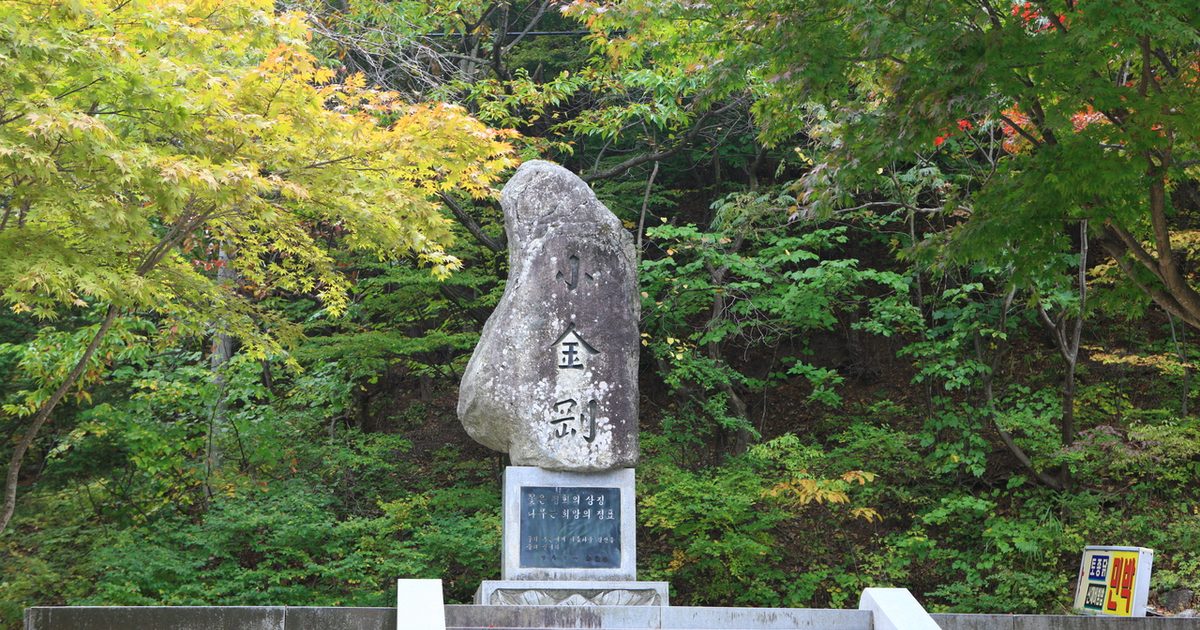
Mangyang-jeong is one of the Eight Scenic Sites of Gwandong (관동팔경), and historical records state that Joseon King Sukjong personally bestowed the name plaque reading *Gwandong Jewillu* (關東第一樓 — 'First Pavilion of Gwandong'), declaring it the most overwhelming view among all eight sites. It is also one of the places lavishly praised by the Joseon writer Songgang Jeong Cheol in his travelogue verse *Gwandong Byeolgok*. Notably, the pavilion that stands today is not on the same site where Jeong Cheol composed his poetry or where Sukjong's plaque was originally hung — centuries of relocations and reconstructions have layered their history into this single structure.
Uljin once belonged to Gangwon Province, and that legacy means the county now contains two of the Eight Scenic Sites of Gwandong — Mangyang-jeong and Wolsong-jeong — within what is today North Gyeongsang Province. On the map it reads as Gyeongsang territory, but the cultural atmosphere is closer to the cool, clean character of the Yeongdong coastal region.
Why October Is the Right Time to Visit
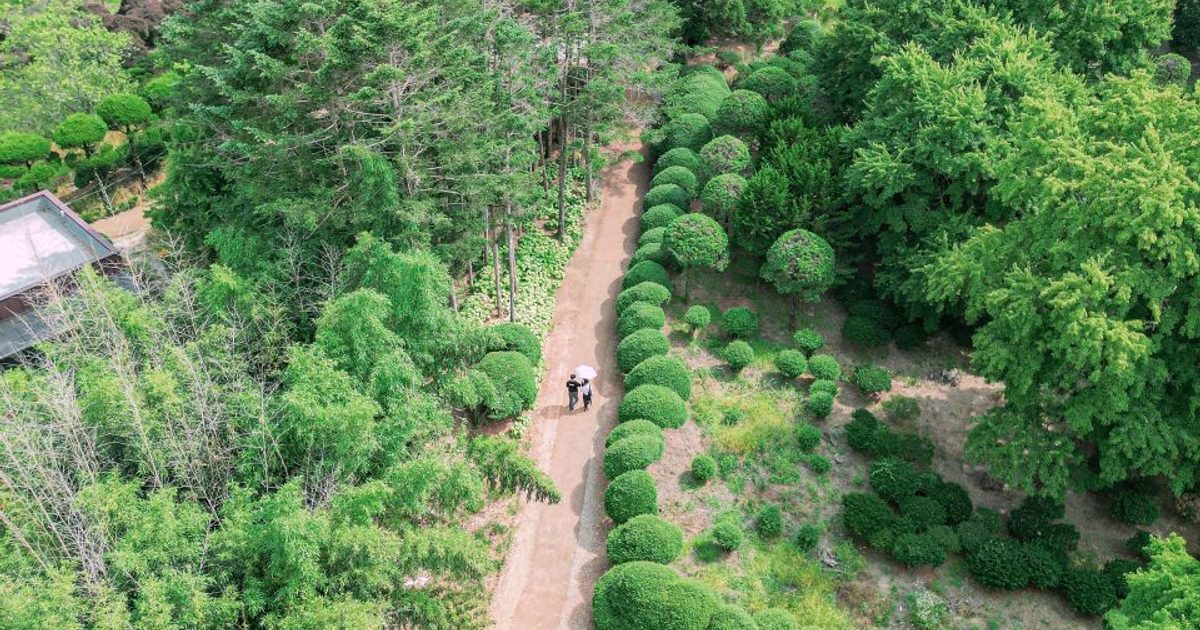
Because of the coastal climate, autumn colour arrives somewhat later here than it does inland, but by mid-to-late October the trees on the hillside around the pavilion begin to turn. The combination of the East Sea horizon and autumn foliage under a clear autumn sky is something this season alone offers. The summer crowds have also thinned by this point, making it easy to walk the trail and the Sunrise Park area at a relaxed pace.
What to See and Do
From the pavilion itself, the view opens wide across the East Sea. Directly below Mangyang-jeong is Mangyang-jeong Beach — smaller and quieter than other beaches in Uljin, which means you can enjoy it without the crowds. Nearby, the Wangpi-cheon Cable Car (round-trip distance: 1,430 m) links Wangpi-cheon Park to the vicinity of Mangyang-jeong; the upper station is approximately 200 m on foot from the pavilion. The cable car operates from 10:00 to 18:00 (last ticket sold at 17:30) and is closed on the first and third Monday of each month. Fares for the round trip are ₩10,000 per adult (individual) and ₩9,000 per adult for groups of ten or more.
Seongnyugul Cave (Natural Monument No. 155), located within the same Geunnam-myeon area, pairs naturally with Mangyang-jeong as a driving itinerary — it is about 20 minutes away, making a half-day loop of both sites very manageable.
Getting There · Essential Information
Address: 690 Sanpo-ri, Geunnam-myeon, Uljin-gun, Gyeongsangbuk-do. Enquiries: +82-54-789-6921. Admission is free and the site is open 24 hours. Parking is also free; two public car parks are available — one at 1017 Mangyangjeong-ro and another at the Sanpo-ri public car park near Mangyang-jeong Sunrise Park. If you are arriving via the Wangpi-cheon Cable Car route, use the separate car park at 19-4 Susa-ri, Geunnam-myeon, Uljin-gun.
Travel Tips
Mangyang-jeong is well known as a sunrise viewpoint, so an early morning visit can reward you with a sea sunrise. On weekend afternoons visitor numbers increase, so aim for early morning or a weekday if possible. Public transport access to Uljin is limited, and travelling by car is the practical choice. Whether you drive north from Pohang or Yeongdeok, or south from Gangneung or Samcheok, the coastal highway makes the journey itself a part of the trip.