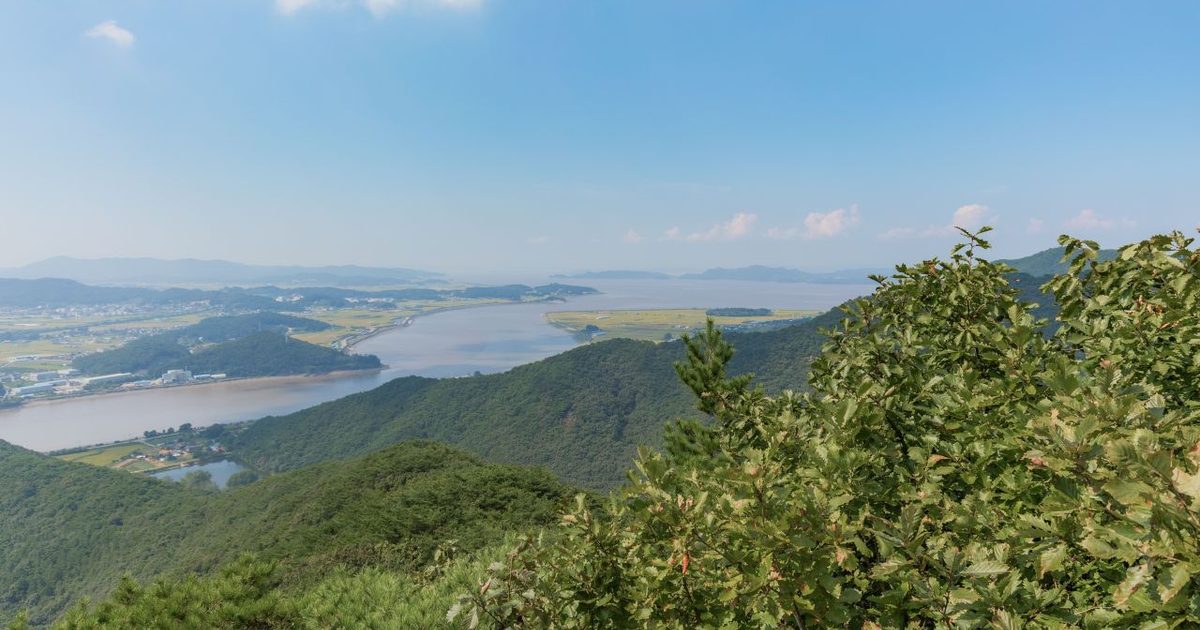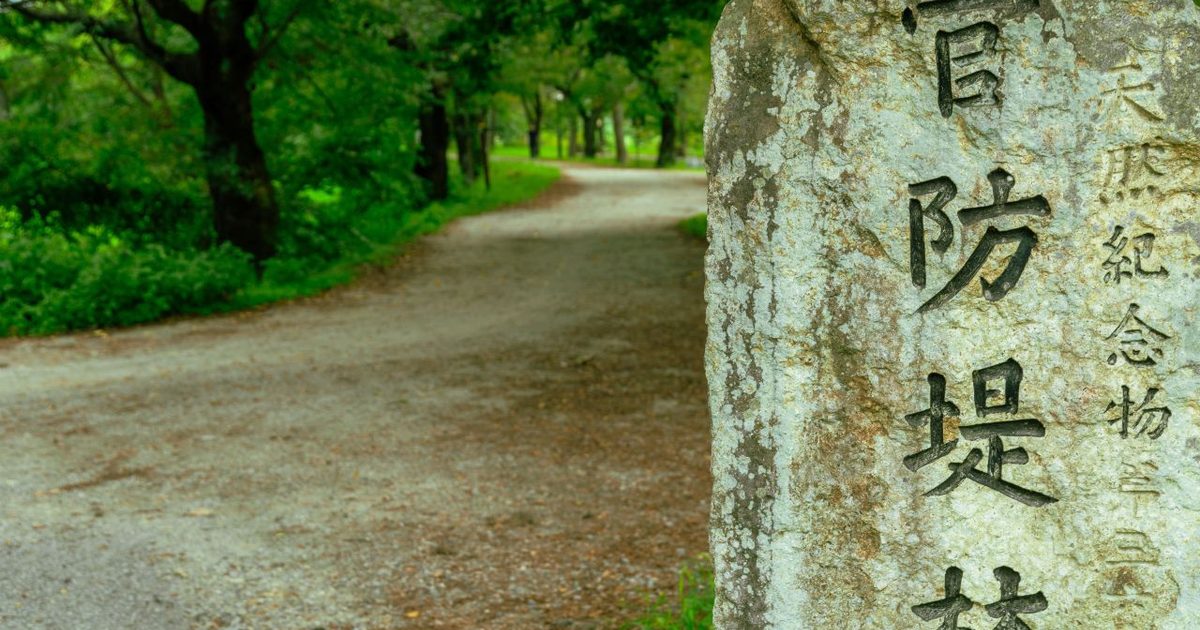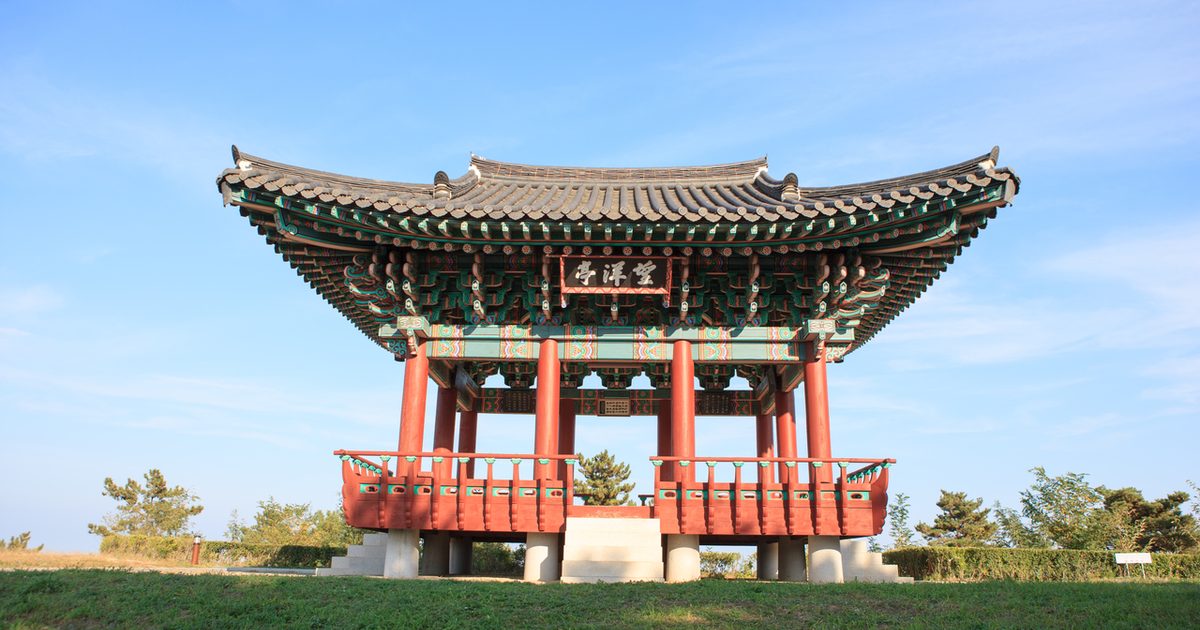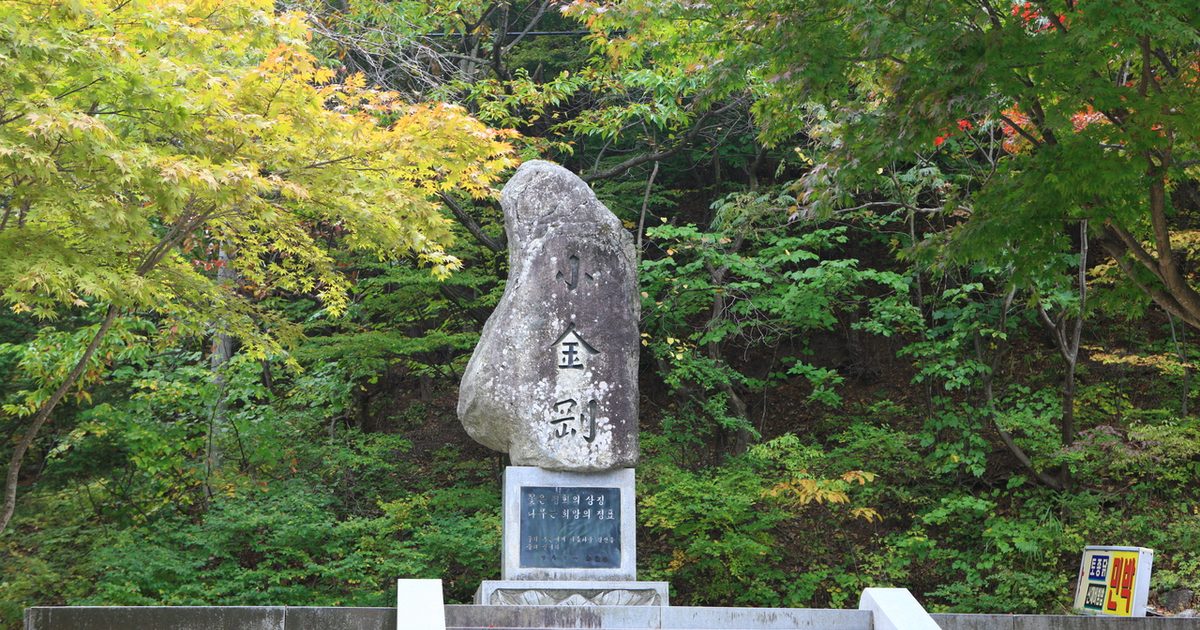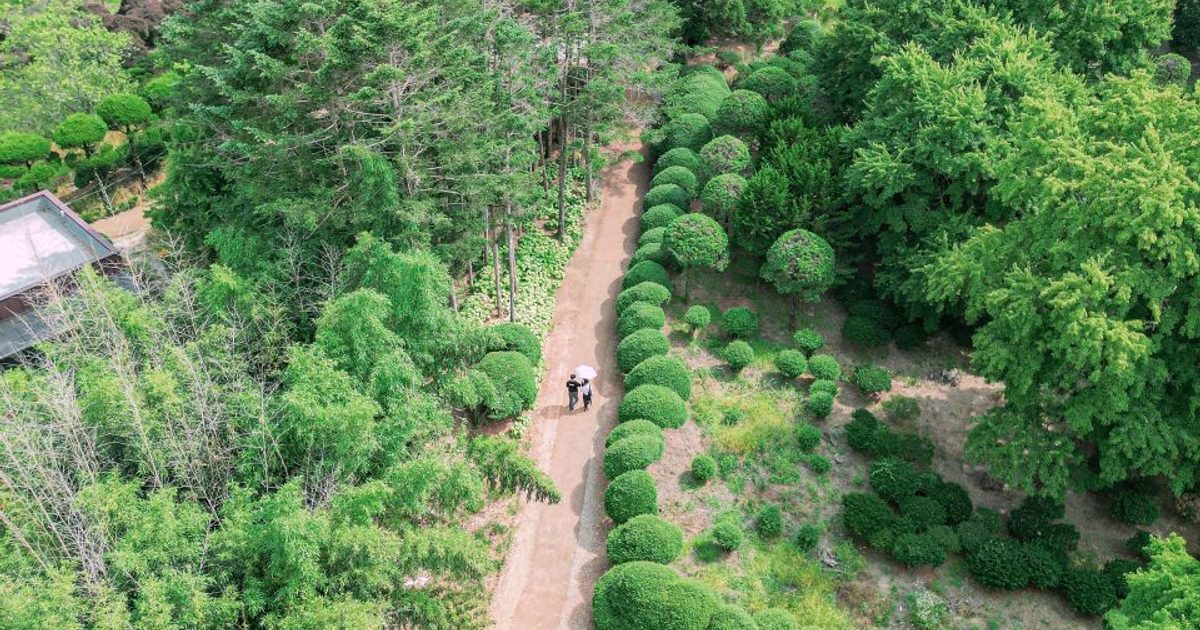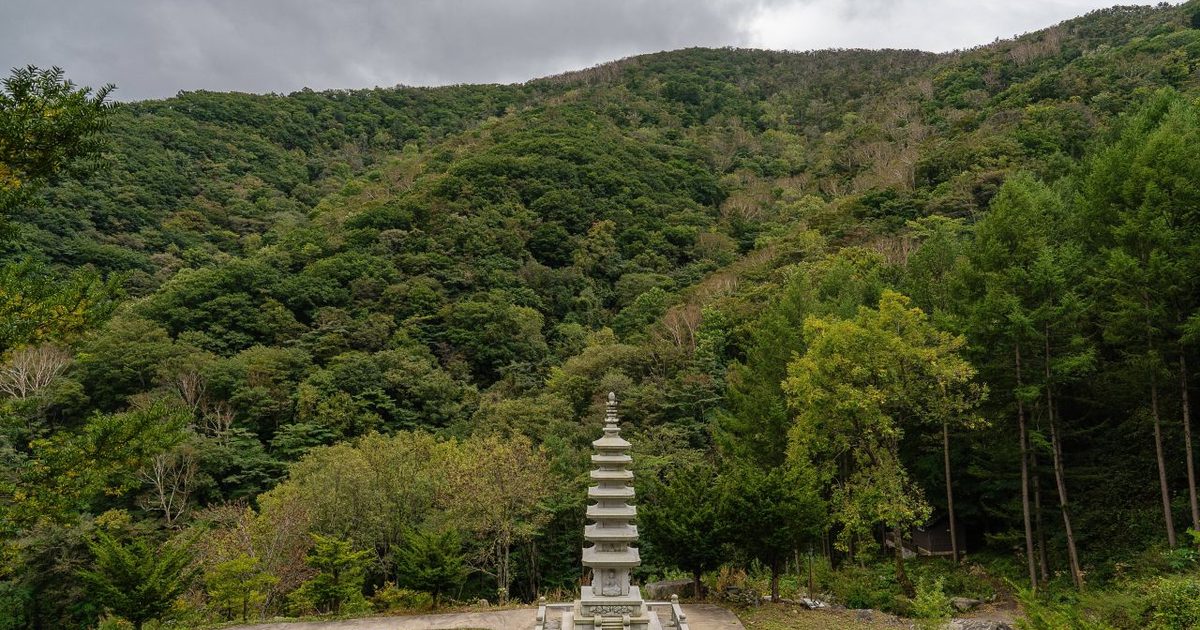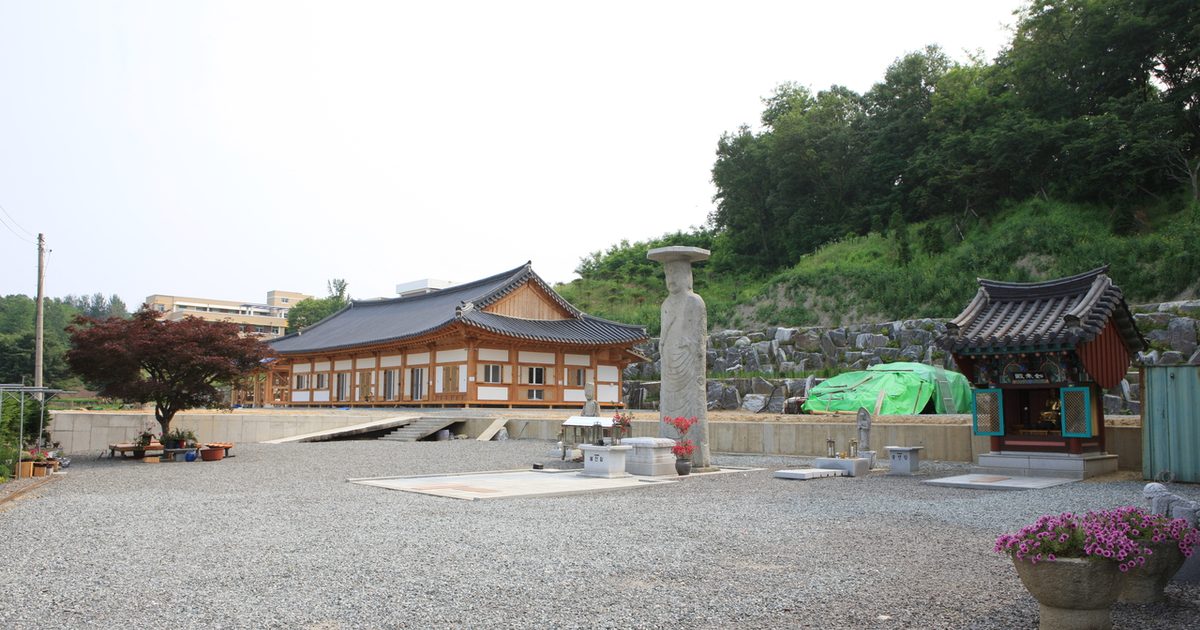
When fall foliage season arrives, the conversation inevitably turns to Naejangsan or Seoraksan. Yet the real appeal of an autumn temple visit often lies precisely in the places that don't make the headlines. Yonghwasa, tucked beneath Unyansan in Gimpo, Gyeonggi-do, is one of those places. It isn't widely publicized, but those who know it return quietly every October.
Why October — Autumn Color at a Temple Feels Different
From mid-October onward, foliage begins to descend across the northern and western parts of Gyeonggi-do, and the hillsides around Unyansan change color in step with that cycle. Unlike the famous foliage destinations, no crowds pour in, so the temple's characteristic stillness remains intact. Pausing for a moment beneath the eaves of the main hall during a late morning when fallen leaves have gathered in the courtyard is enough to ease a fair amount of city fatigue. Because peak foliage dates shift from year to year, it is practical to call the temple directly at 031-984-3234 before visiting to ask about current conditions.
620 Years of History — The Ferryman and the Mireuk Stone Buddha
Yonghwasa carries a founding legend. In 1405, the fifth year of King Taejong of Joseon, a ferryman named Jeong Do-myeong was transporting tribute goods when low tide forced him to moor his vessel at the foot of Unyansan. That night a Buddha appeared in his dream and told him there was a stone buddha beneath the boat that should be properly enshrined. Jeong Do-myeong then shaved his head, took up a life of practice, and founded Yonghwasa. While this is a legendary account, the founding year of 1405 and the founder's identity as the ferryman Jeong Do-myeong are both confirmed in historical records.
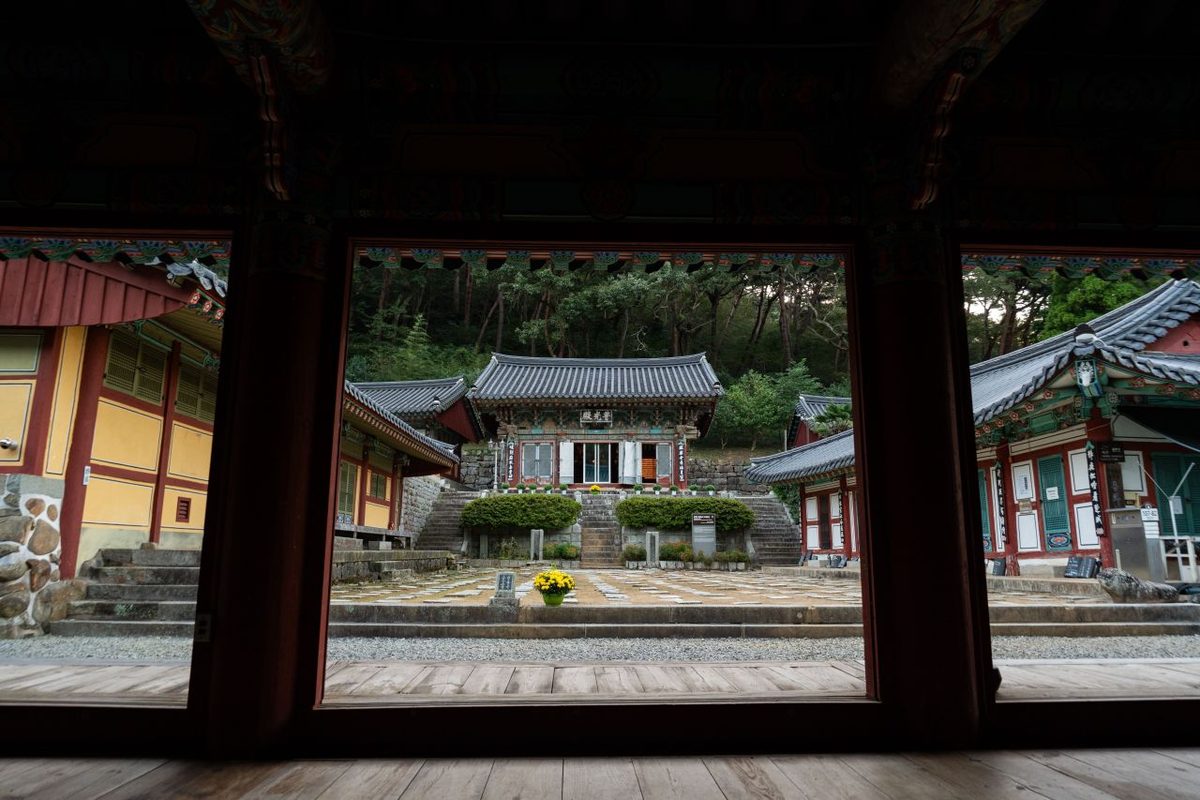
Alongside the legend, the Mireuk stone buddha standing beside Yonghwajeon hall deserves attention. Documented as having been created at the time of the temple's founding in 1405, it differs in appearance from the Goryeo-period Buddhist statues more commonly encountered, and is introduced as a cultural artifact that clearly reflects early Joseon sculptural style. Rather than simply being old, it retains the aesthetic sensibility of a moment 600 years in the past — making it a site worth seeking out for travelers with an interest in Buddhist cultural heritage.
Getting There — Easiest by Car
Yonghwasa is located in Unyang-dong, Gimpo-si, Gyeonggi-do. From Seoul, take Olimpic-daero to Haengju Interchange, then join Hangang Jebangnoro heading in the direction of Ganghwa. Turn left at Unyang Samgeori. If you are coming via Gangbyeonbukno or Jayuro, turn right onto a side road immediately after Ilsan Bridge Interchange to join Hangang Jebangnoro and follow the same route from there. Parking is available near the temple, but availability during the busy autumn season should be confirmed in advance.
Public transportation access is possible, though the terrain at the foot of Unyansan makes traveling by car considerably more convenient.
Tips to Note Before You Go
Admission fee information is not confirmed in currently available sources; calling the temple at 031-984-3234 before your visit allows you to check entry conditions, parking availability, and any events scheduled on the day, all at once. Given the nature of the temple, early morning or weekday mornings are the quietest times, while weekend afternoons can become somewhat busy as hikers and day-trippers overlap. The temple connects to the Unyansan hiking trail, so a short walk can easily be folded into your plans. October in Gimpo brings a significant temperature gap between morning and evening, so bringing a light outer layer is advisable.