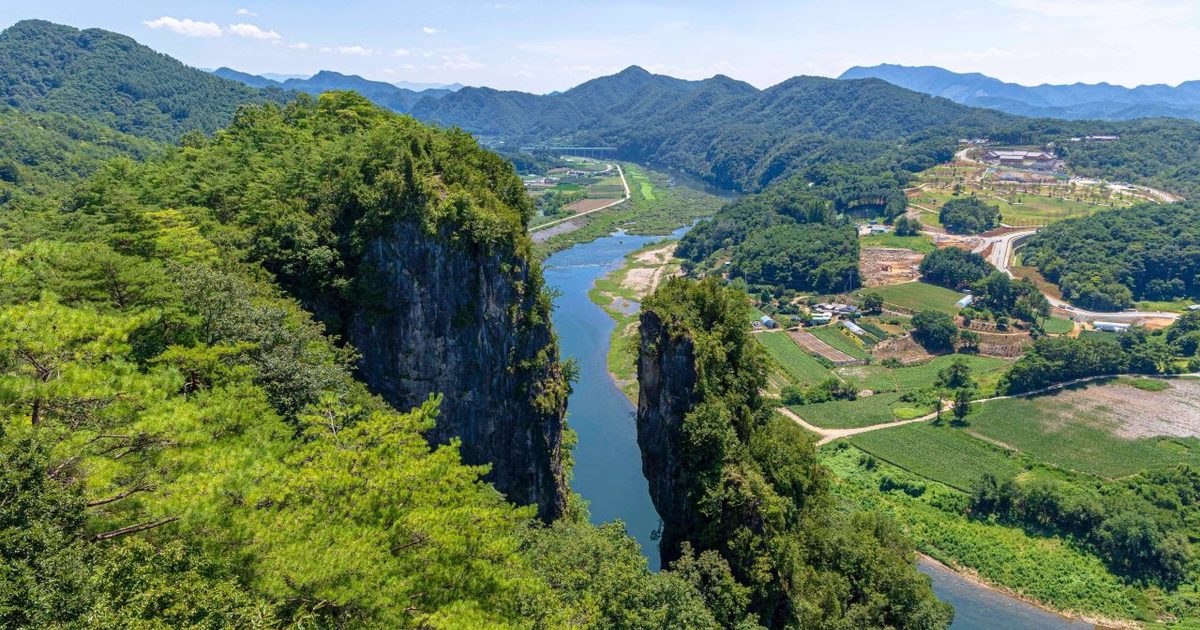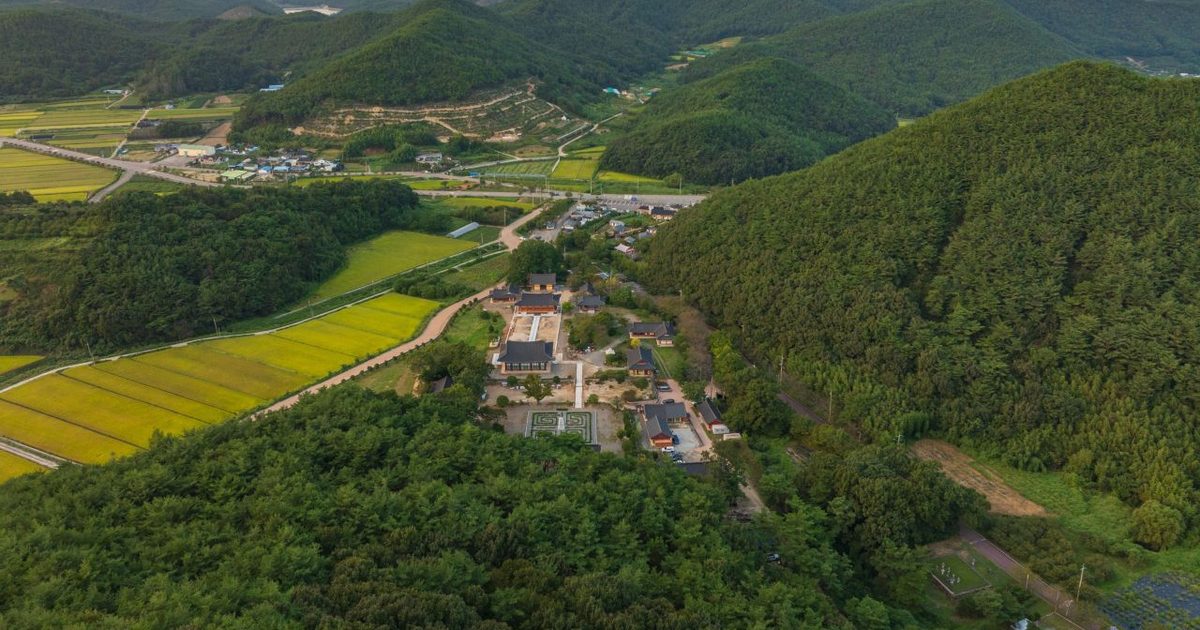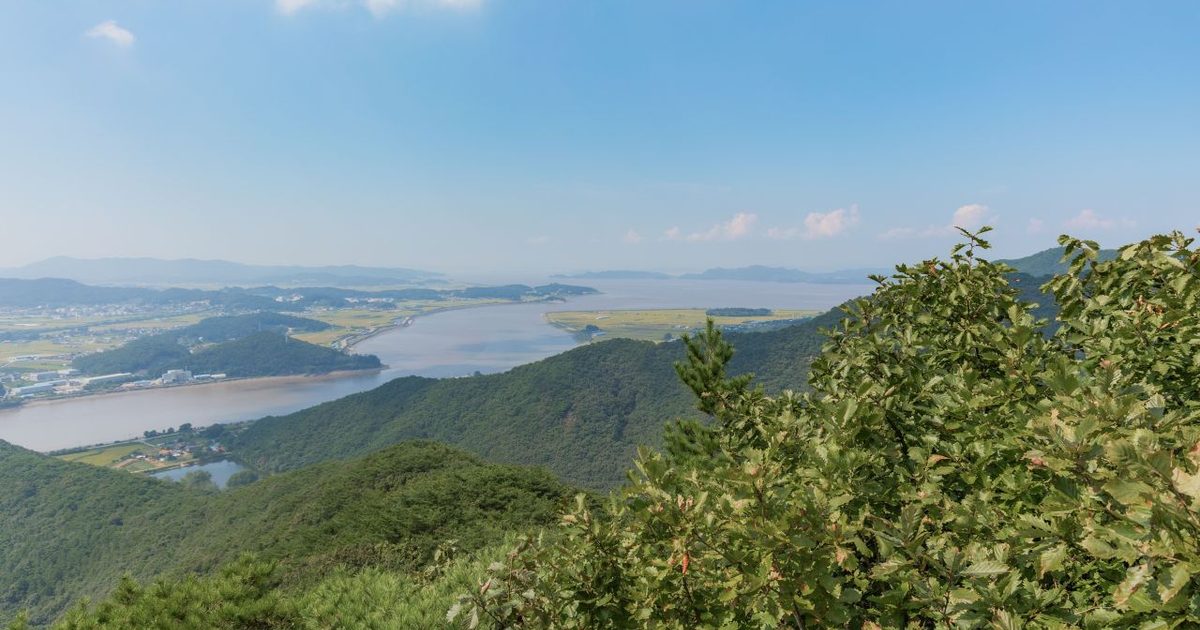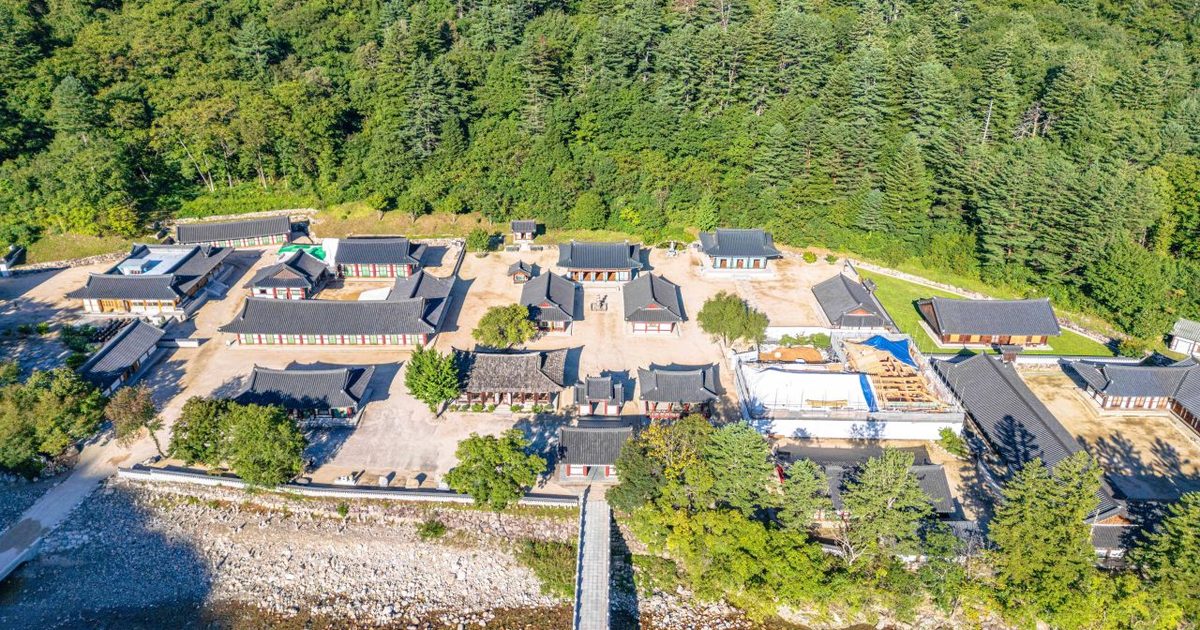
Most visitors picture Seoraksan's autumn foliage or the Daecheongbong summit, but September brings a quieter side of the mountain. Just before the spectacular fall colours sweep down, the valley holds on to summer's green. Sunlight breaks across the water, the breeze has already turned cool in the shade, and the crowds of high summer are gone. Miss this brief window and you'll wait a full season for it to return.
What Is Baekdam Valley?
Baekdam Valley (백담계곡) is the signature valley of Inner Seorak (Naeseoak), located in the Yongdae-ri area of Buk-myeon, Inje-gun, Gangwon Special Self-Governing Province. The name *Baekdam* (百潭) is said to mean "one hundred pools," reflecting the chain of basins and ponds formed as water flows down from Daecheongbong all the way to Yongdae-ri. The section open to visitors runs approximately 8 km between Baekdamsa Temple and Yongdae-ri.
The water is classified Grade 1 (the cleanest category in Korea's water-quality system) and flows fast enough that moss barely gets a foothold, leaving the stream remarkably transparent. Unlike many valleys where slippery rocks and murky water are a concern, the riverbed here is clearly visible. Depth is generally shallow — even the deepest spots barely reach an adult's knees — making it comfortable for families with young children to walk along the water's edge.
Why September in Particular?
Once the summer peak season ends, September is widely regarded as the best time to walk Baekdam Valley. Daytime sunshine is still warm, but humidity drops and the shade feels noticeably cool. Water temperature stays at a level that remains pleasant for wading. Most importantly, the heavy crowds of July and August thin out, letting the valley's natural quiet come back. Because visitor numbers surge again when the foliage season starts in October, September offers a short and valuable gap for experiencing the deeper reaches of Seoraksan in relative peace.
How to Explore the Valley
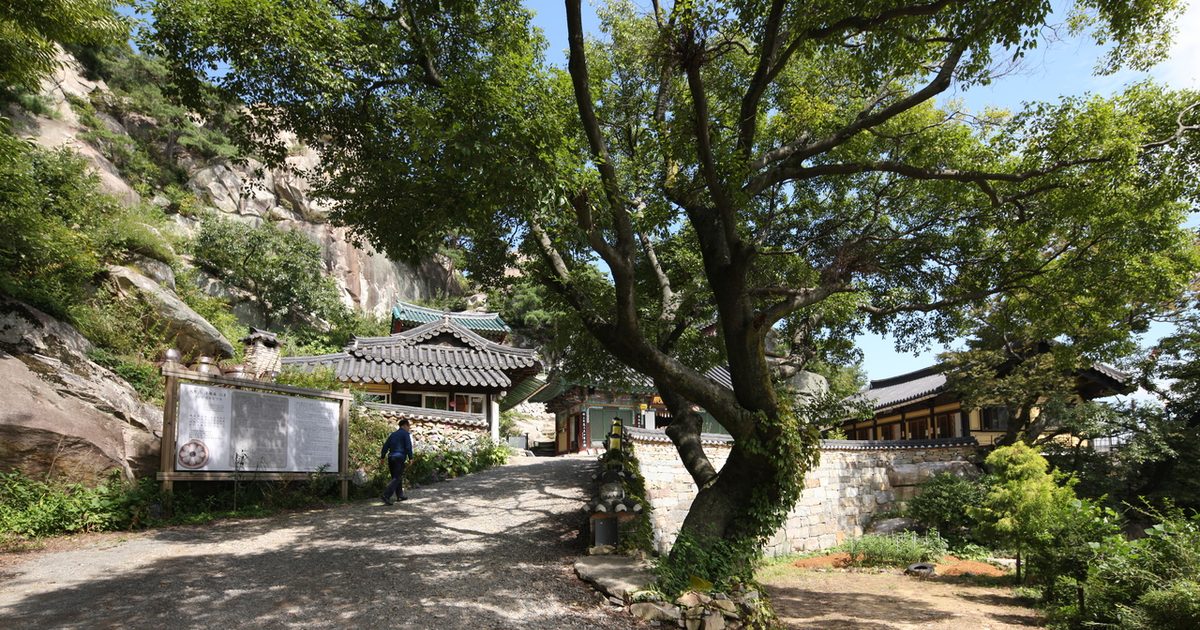
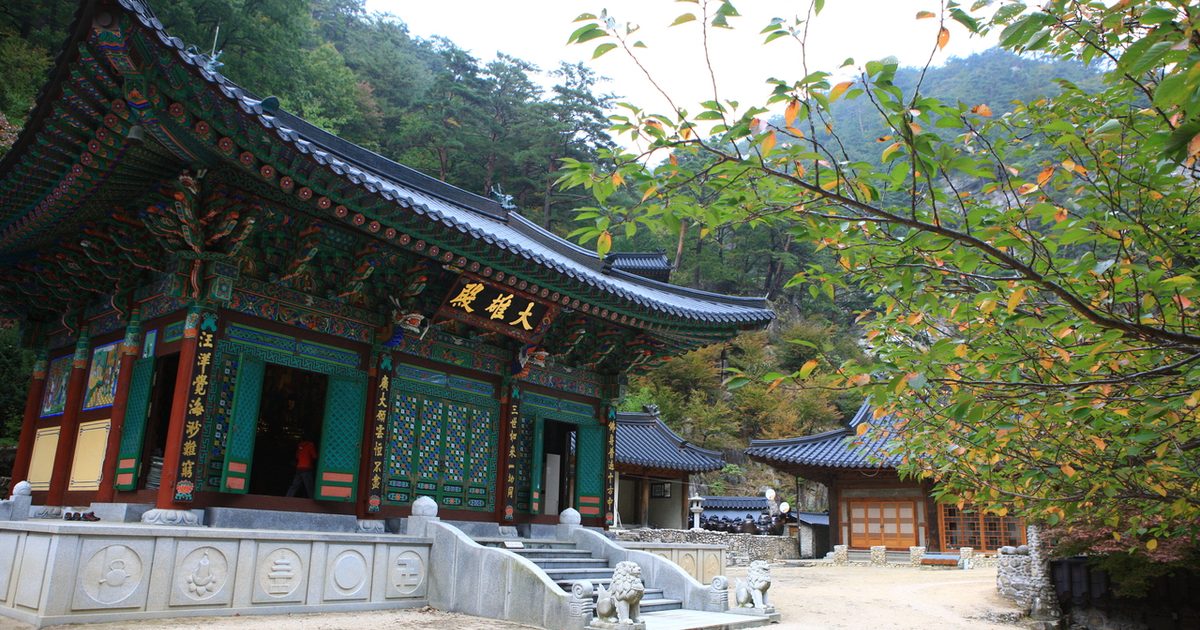
The typical route starts at Yongdae-ri and heads toward Baekdamsa Temple. The trail is largely flat, running alongside the stream with large and small pools, boulders, and stretches of forest path alternating throughout. On reaching Baekdamsa Temple, visitors can see the space where the poet and independence activist Han Yong-un is known to have stayed while writing *The Silence of Love* (*님의 침묵*); the temple grounds also make a pleasant rest stop. Those with extra time and energy can continue from Baekdamsa in the direction of Yeongsiam Hermitage for a longer outing.
Getting There and Practical Information
By car, the valley is about 30 minutes from the Buk-Inje IC (북인제) on the Seoul–Yangyang Expressway. By public transport, take a local bus from Sokcho Intercity Bus Terminal bound for Yongdae-ri; the journey takes approximately 40 minutes. During peak seasons, a shuttle bus operates between Yongdae-ri and Baekdamsa Temple. Shuttle fares and timetables change each season, so check the latest details through the Korea National Park Service's official channels before your visit.
After exploring the valley, Yongdae-ri is the place to try *hwangtae* (황태, dried pollack), the area's signature local product — shaped by Seoraksan's clean winds and cold temperatures into a distinct delicacy. Because the valley lies within a national park, regulations on cooking, camping, and tent pitching apply; confirm all applicable rules with the Korea National Park Service before you go.