Why Mid-September Is the Sweet Spot
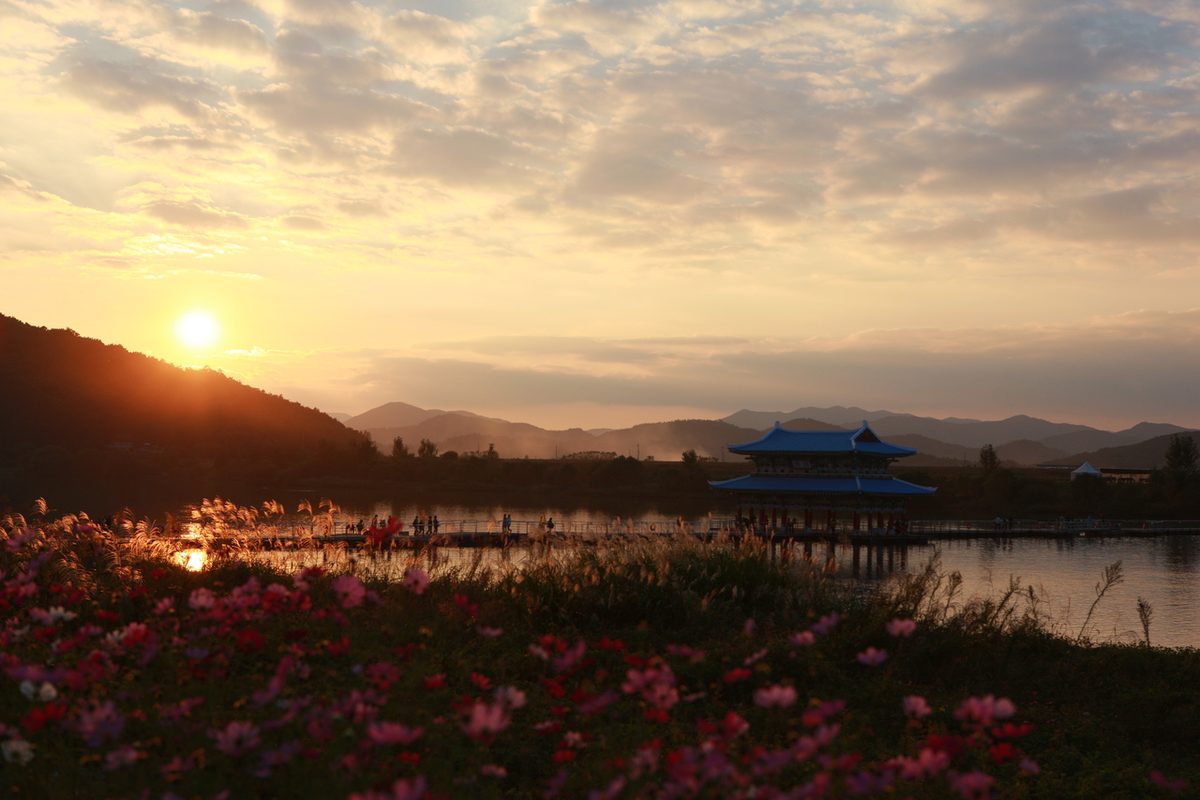
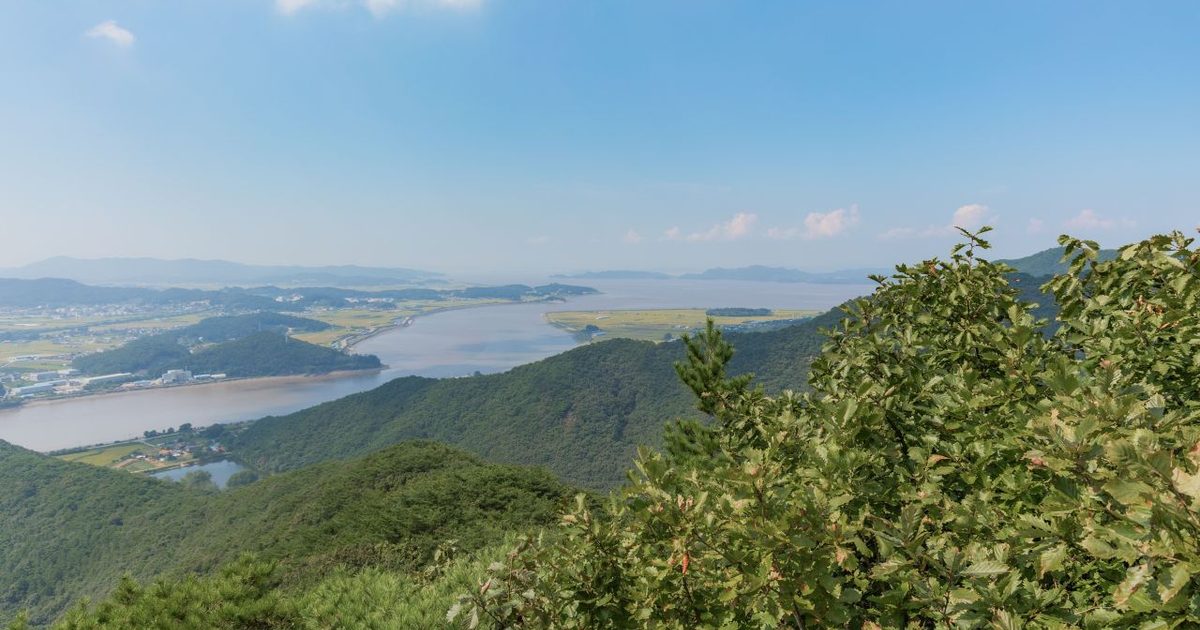
As river breezes turn cool in September, the Geum River quietly shifts into its most visually striking season. The pampas grass (eoksae) that grew thick through summer begins to silver over, cosmos blooms climb the riverside slopes, and on mornings when the temperature drops sharply overnight, mist rises and drifts across the water. All three sights overlap for a surprisingly short time: the window opens between mid-September and late October.
The eoksae colonies along the Geum River reach their peak from mid-September onward. By then, the broad riverside slopes are blanketed in grass that stands well above head height, rippling in silver waves with every gust of wind — a scale that is genuinely difficult to appreciate until you are standing inside it. When late-afternoon light filters through the grass, the scene draws comparisons to a film set, and the spot is widely shared as a photography location. The eoksae peak holds through late October, but if you want to catch all three phenomena together, mid- to late September is the most rewarding window.
How to Experience All Three
**Pampas grass (eoksae)**: Walking directly into the eoksae colonies along the riverside slopes is far more immersive than viewing them from a distance. Narrow paths lead into grass that closes above your head on both sides, surrounding you in silver. That is why a visit around sunset — one to two hours before dusk — is the recommended time for photography.
**Cosmos**: At certain stretches of Geum River parkland, cosmos, eoksae, and reeds can all be seen from the same spot. Some riverside parks are free to enter; check local park operating hours before you visit.
**Morning mist**: River mist forms most reliably on clear mornings when the overnight temperature gap is large. The cooler the early-morning air after mid-September, the greater the chance of seeing mist lift off the water. Because conditions vary with the weather, a practical approach is to check the overnight temperature difference and the next day's forecast the evening before, then adjust your arrival time accordingly. Aim to be at the river around sunrise.
Getting There and Practical Tips
The Geum River runs through Chungcheongnam-do, Chungcheongbuk-do, and northern Jeollabuk-do, and can be accessed from several points including Gongju, Buyeo, Nonsan, and Cheongyang. A car is considerably more convenient than public transport; small parking areas are available at many riverside sections. For up-to-date parking and facilities information for a specific stretch, contact the relevant local government office or check its official website before you travel.
- **Peak period**: Eoksae mid-September – late October; best overlap with cosmos and mist is mid- to late September
- **Timing**: For morning mist, arrive around sunrise; for eoksae photography, arrive one to two hours before sunset
- **Crowds**: Weekend visitor numbers along the riverbanks tend to increase after mid-September — a weekday visit gives you more space
- **What to wear**: Early mornings and evenings can be noticeably cool; bring a light jacket if you are targeting either end of the day
This season arrives quickly and passes just as fast. The eoksae fields along the Geum River in September have a way of making you look forward to the same time next year.