Why Mid-September Is the Only Window
The cluster amaryllis has an unusual life cycle: the flowers emerge and fade before a single leaf appears, meaning flower and leaf never coexist on the same plant. By October the leaves finally push up — but the blooms are already gone. This perpetual near-miss is the reason the flower carries the meaning "a love that can never be" in the Korean floral language tradition.
In the southern regions of Korea, peak bloom falls in mid-September. The flowers are generally at their fullest between 20 and 25 September. Once open, each bloom lasts only seven to ten days, so the same month can look completely different from one week to the next. Arrive in early September and the flower stalks are still rising; come in early October and you will find only leaves.
What to See at Neunggasa
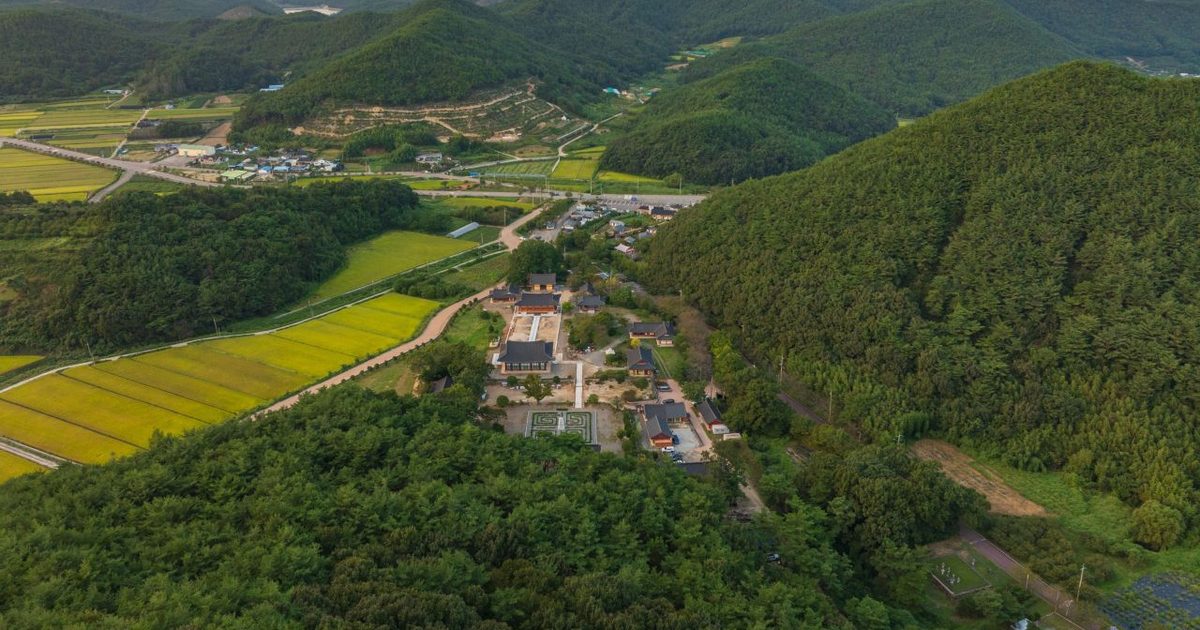
Neunggasa sits on the slopes of Pallyeongsan and is nearly flat inside its grounds, making it easy to wander at a leisurely pace among the quiet wooden halls. In mid-September, clusters of cluster amaryllis are known to appear around the temple buildings and along the forest paths between them. Because the size of the colony and the timing of bloom can vary each year depending on weather and local conditions, it is worth contacting the temple directly before you travel to confirm the current situation. Cluster amaryllis has historically been cultivated near Buddhist temples across Korea because its bulbs were used as a binding agent in the creation of Buddhist paintings (taenghwa), so Neunggasa fits into a broader tradition shared by many major temple sites nationwide.
Nearby Cluster Amaryllis Sites in Jeollanam-do
Many visitors combine a trip to Goheung with other celebrated cluster amaryllis sites in the region. Bulgapsa Temple in Yeonggwang, Yongcheonsa Temple in Hampyeong, and Seonunsa Temple in Gochang are among the most prominent cluster amaryllis locations in Korea. All three peak in mid-September and are within roughly one hour of each other by car, making a one- or two-day loop practical.
Around Yongcheonsa in Hampyeong a dedicated cluster amaryllis park has been developed. At Seonunsa, the red colonies stretch along the Dosolcheon valley in a particularly striking display. A wild mountain trail connecting Bulgapsa and Yongcheonsa is also said to pass through cluster amaryllis habitat. Note that regional festivals — including the Yeonggwang Bulgapsan Sangsahwa Festival — change their exact dates each year, so check the relevant local-government official channels before you depart.
Before You Go
Because the bloom window is short and shifts slightly with temperature and weather each year, the safest approach for a long-distance trip is to check the temple's social-media pages or local community boards for real-time flowering updates two days before you leave.
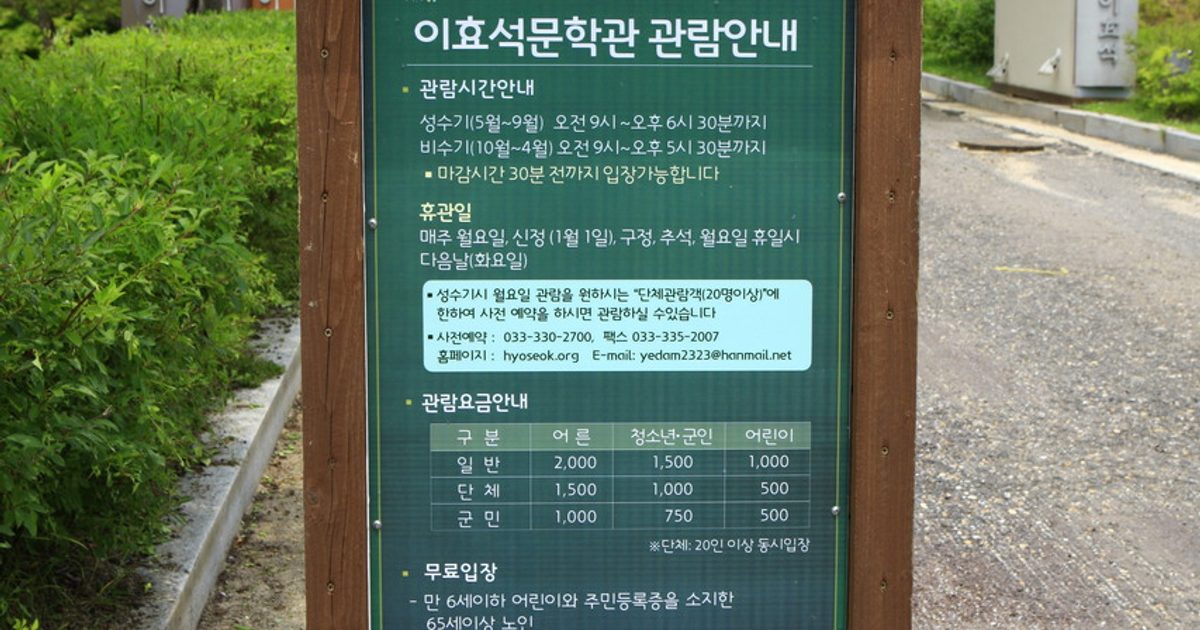
Weekend mornings draw the heaviest crowds; an early-morning arrival or a weekday visit will be noticeably more relaxed. An entrance fee may apply inside Neunggasa's grounds — confirm the current amount on-site when you arrive.