Why Jeoksan Mountain in August
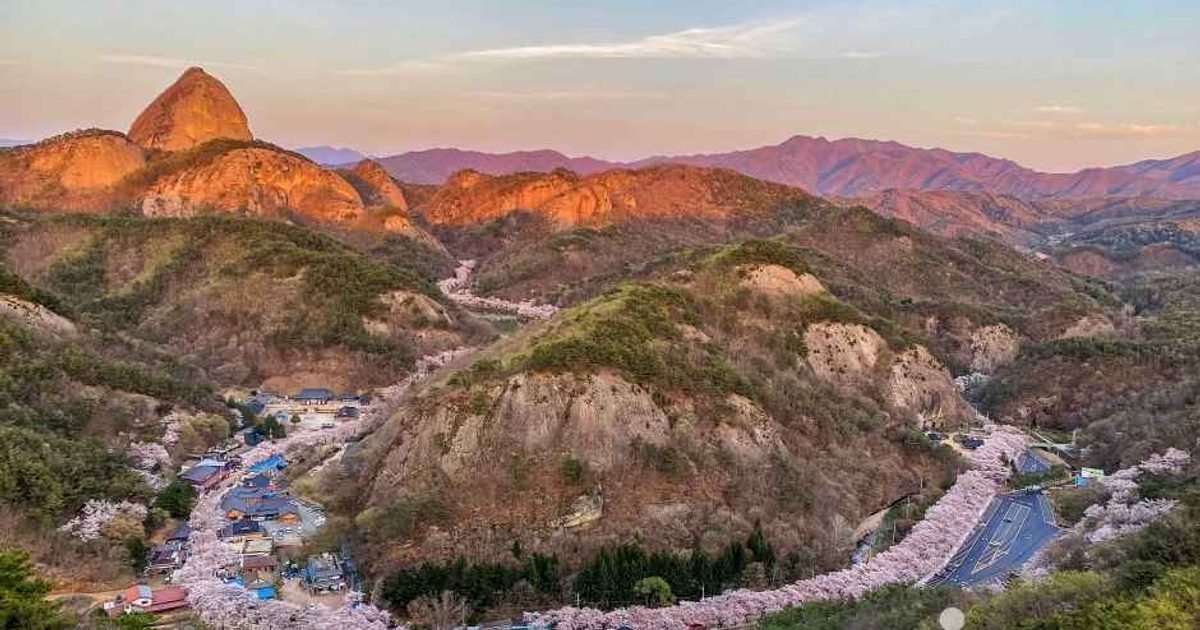
Even in midsummer, the air on Jeoksan Mountain feels noticeably different from the valleys below. Rising to 1,030 m in Muju County, North Jeolla Province, Jeoksan Mountain is part of Deogyusan National Park. While summer crowds flock to Muju Gucheondong Valley and Deogyusan during peak season, Jeoksan remains comparatively quiet. The mountain draws its largest numbers during the autumn foliage season, which makes August an ideal window for a more relaxed visit.
What Makes This Mountain Distinctive — The Trailhead Is Already at 960 m
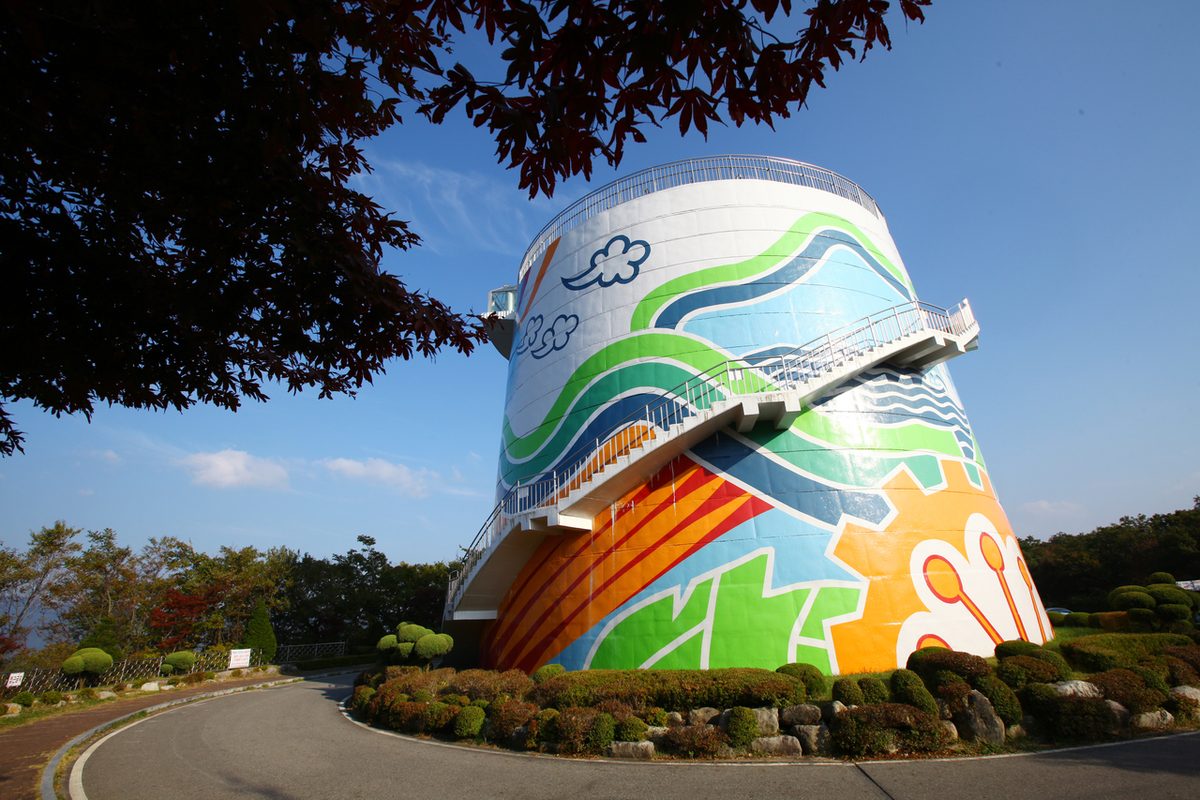
The defining feature of Jeoksan Mountain is that the starting point of the hike already sits at around 960 m above sea level. With the summit at 1,030 m, the actual elevation gain is only about 70 m. The physical demand is quite low, meaning visitors with young children or companions who are not regular hikers can still experience genuine summit-level scenery. It is one of the rare mountains where the claim of a "Baekdudaegan ridge-top experience" does not feel like an exaggeration.
A paved road connects Muju town to the mountain lake near the summit, turning the ascent itself into a scenic drive. As the road winds upward, the landscape visibly shifts with every gain in altitude — a stretch that many visitors say stays with them long after the trip.
Viewpoints and Nearby Attractions
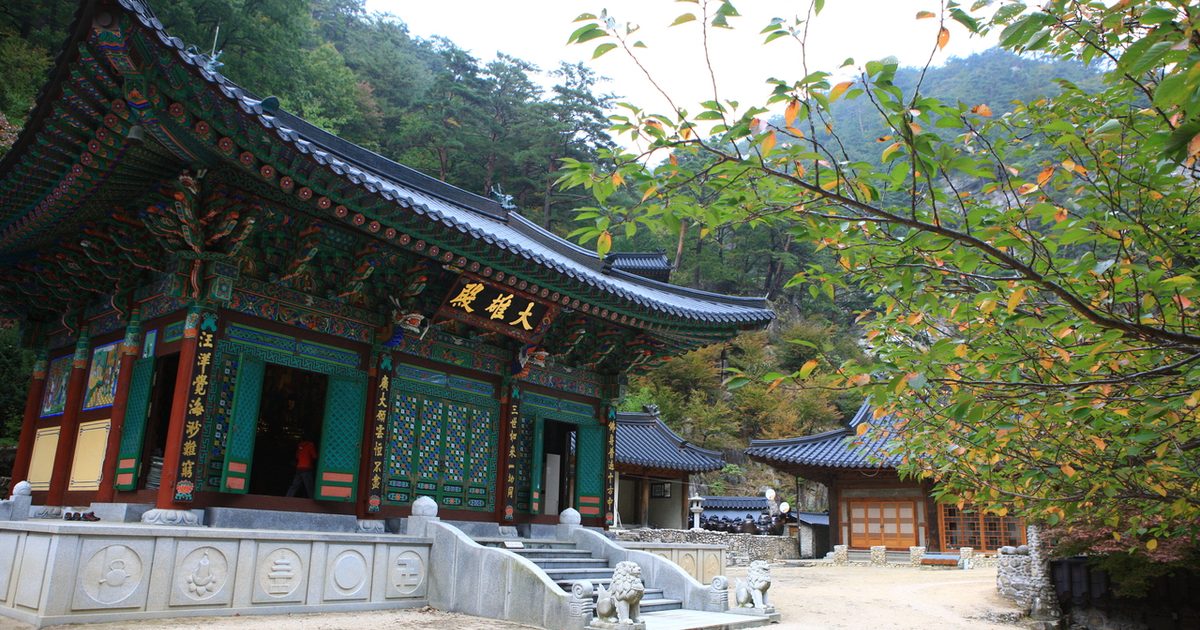
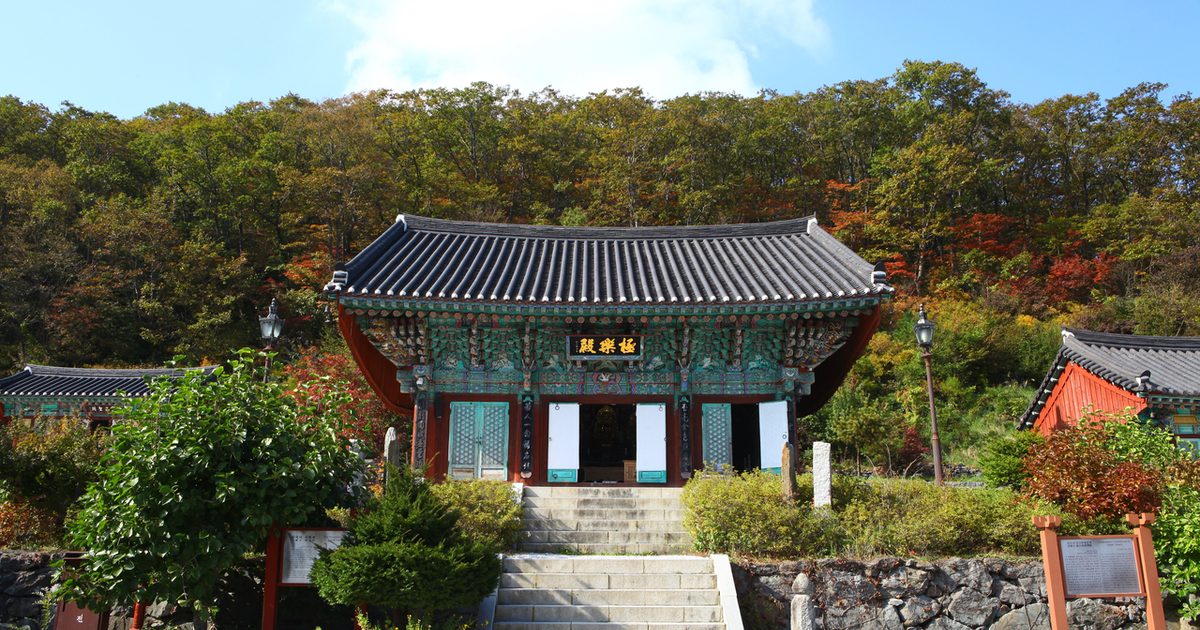
Jeoksan Mountain holds several sights worth combining into a single itinerary. Cheonil Pokpo (waterfall), Jeoksansanseong (mountain fortress), and Anguksa Temple all fall within the hiking circuit and can be grouped into a half-day or full-day course alongside the main viewpoint. Anguksa Temple sits deep within the mountain; visited in August, when the forest is at its densest green, it carries a particularly tranquil atmosphere.
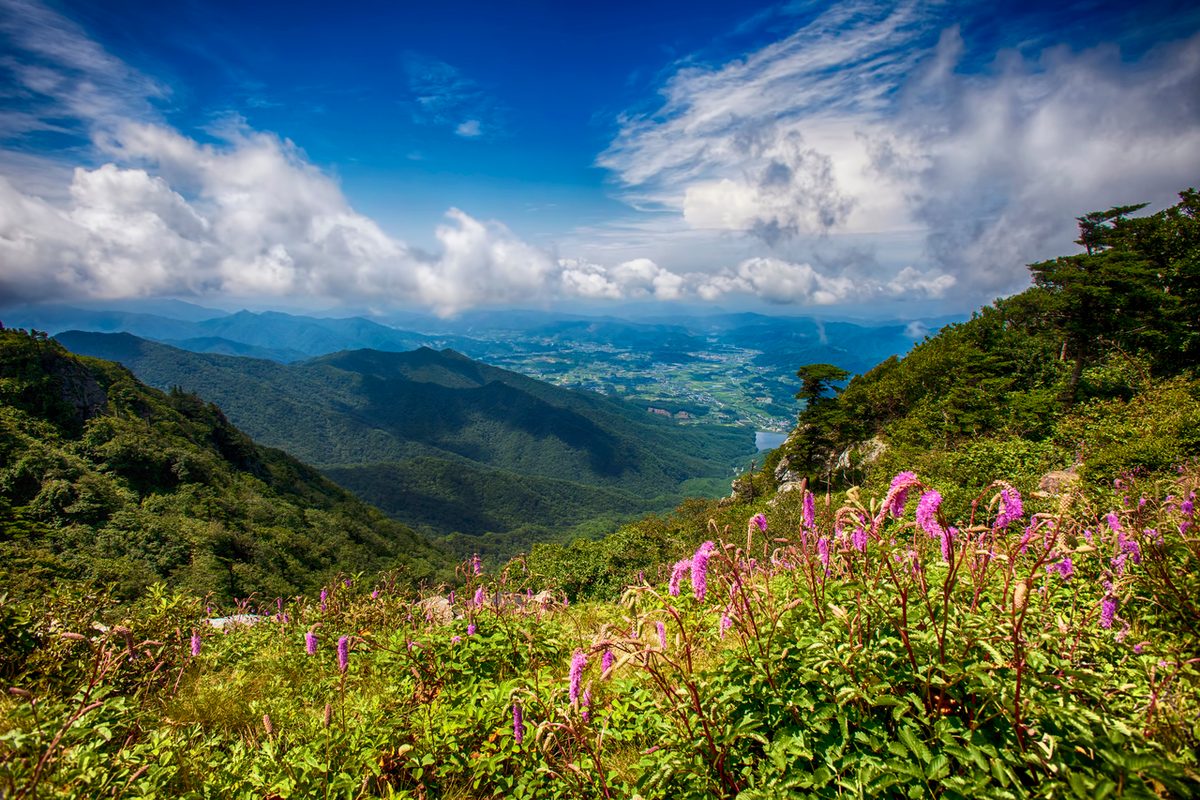
The viewpoint is said to offer a striking sunset on clear days, and some visitors make the trip specifically for evening views. However, night-time operating hours and lighting conditions at the viewpoint can change, so it is strongly recommended to verify current details with the official Muju tourism website (tour.muju.go.kr) or the Muju Tourism Council before visiting.
Getting There and Practical Tips
A private vehicle is the most practical option. From Muju town, follow the paved road toward the mountain lake. Muju is accessible by expressway from both the Seoul metropolitan area and Busan; travelers arriving by intercity bus can reach Muju Public Bus Terminal and then use a rental car or taxi to continue up the mountain.
Entrance and parking fees may vary depending on the season and the managing authority, so confirm current charges with Muju County Office or the Deogyusan National Park office before your visit. Arriving early on a summer weekend morning makes both parking and the hike considerably more relaxed. Temperatures at the summit are lower than in the town below, so bring a light outer layer regardless of how warm the day feels at the start.