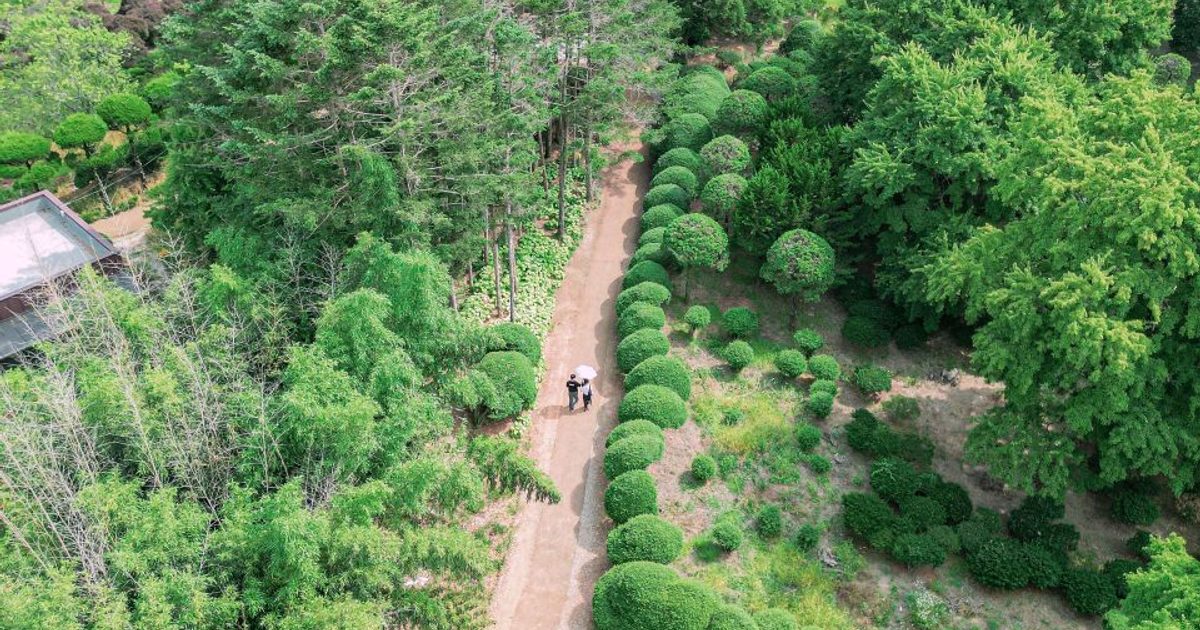
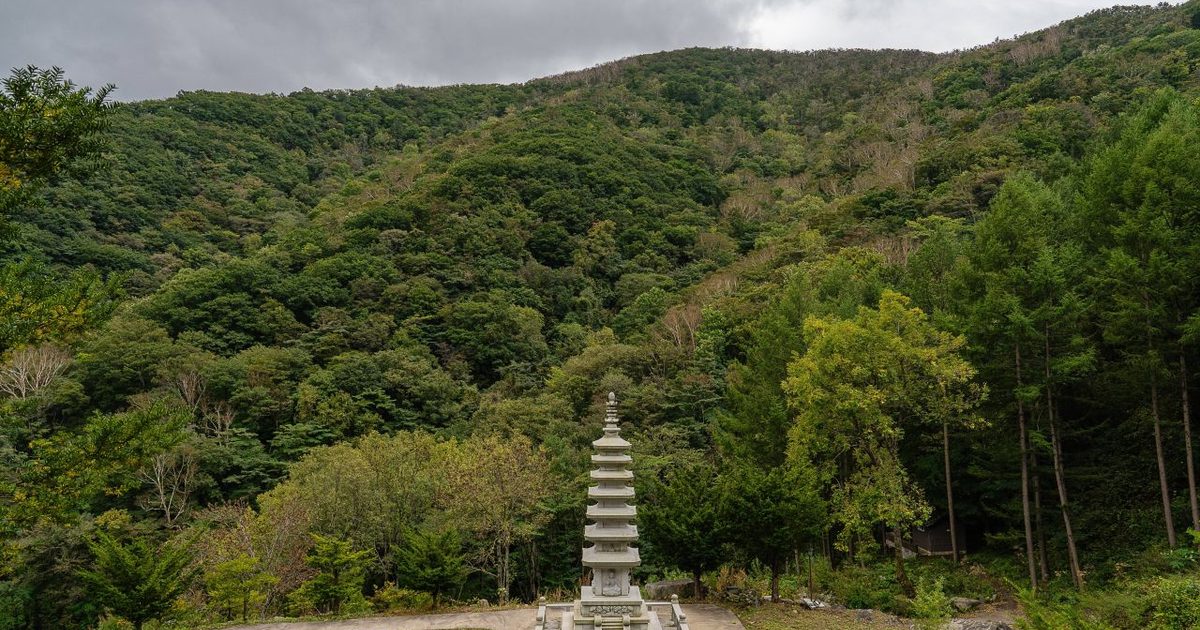
Busan tends to conjure images of beaches and Haeundae, yet along the ridge of Geumjeongsan to the north of the city stands a fortress found nowhere else in Korea at this scale. Geumjeongsan Fortress (금정산성) stretches 18,845 m in total wall length and covers roughly 8.2 km², making it the largest mountain fortress in the country. It shows its best face in September, when the heat breaks and the sky opens up.
Why September — When Summer Ends and a Cool Breeze Begins
Because the walls follow a ridge at 600–800 m above sea level, a summer visit drains energy quickly. From early September, the altitude keeps temperatures 2–3 °C cooler than the city below, and the wind along the ramparts is genuinely refreshing. Before autumn colour arrives in earnest, the combination of deep green forest and pale grey stone walls is unique to this season. Visitor numbers are also relatively low ahead of the foliage peak, so you can walk the walls at your own pace.
Walls Built by Ordinary People 300 Years Ago — Reading History on Foot
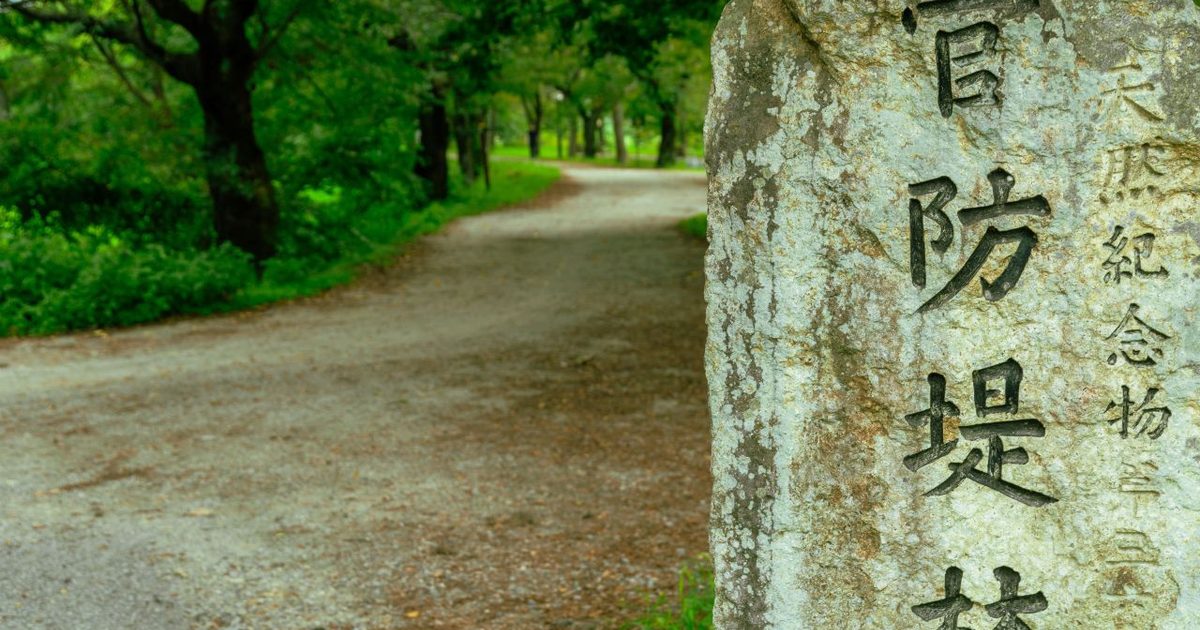
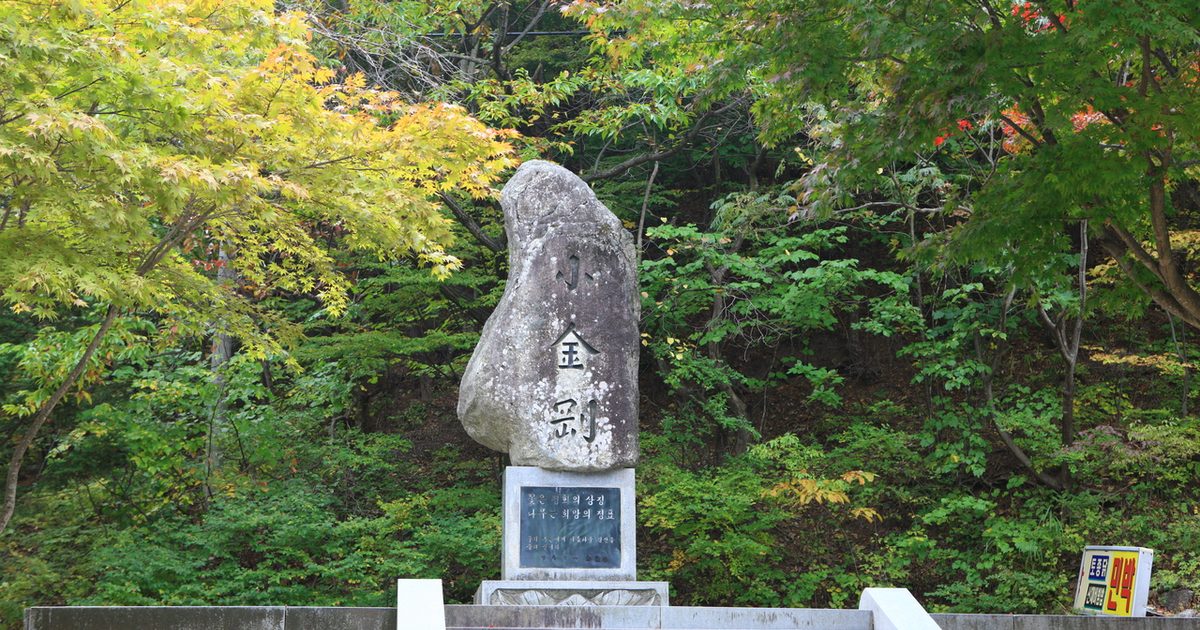
Geumjeongsan Fortress was built after the Japanese invasions of the 1590s as both a refuge and a defensive stronghold against further incursions, constructed by the people of the Dongnae district. In 1703 (the 29th year of King Sukjong's reign), Gyeongsang Provincial Governor Jo Tae-dong proposed full-scale construction, and Dongnae magistrate Park Tae-hang began the main building work. In 1707, magistrate Han Bae-ha added the inner wall, and in 1808 (the 8th year of King Sunjo's reign), magistrate O Han-won completed repairs and finishing work. During the Japanese colonial period, military office buildings were damaged and weapons confiscated. The east, west, and south gates were restored between 1972 and 1975, and the north gate followed in 1989. The fortress was designated Historic Site No. 215 in 1971 and retains that status today. Standing before the '18845M' photo marker at the fortress entrance, that number registers not merely as a distance but as the weight of several centuries of history.

What to See and Where to Walk — Routes and Highlights
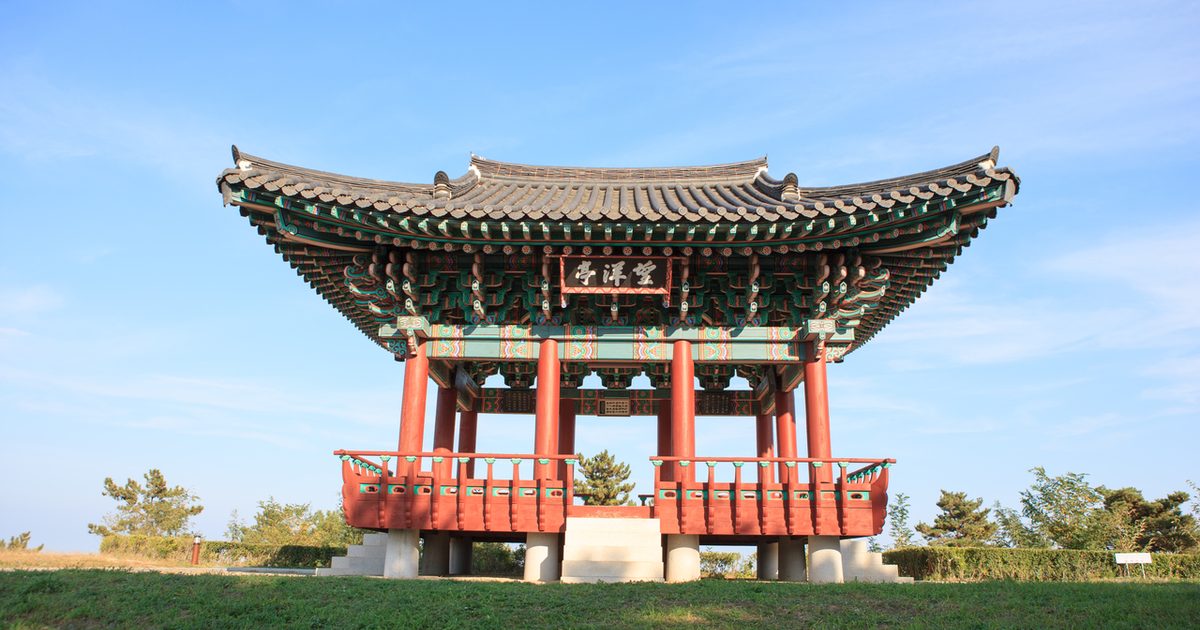
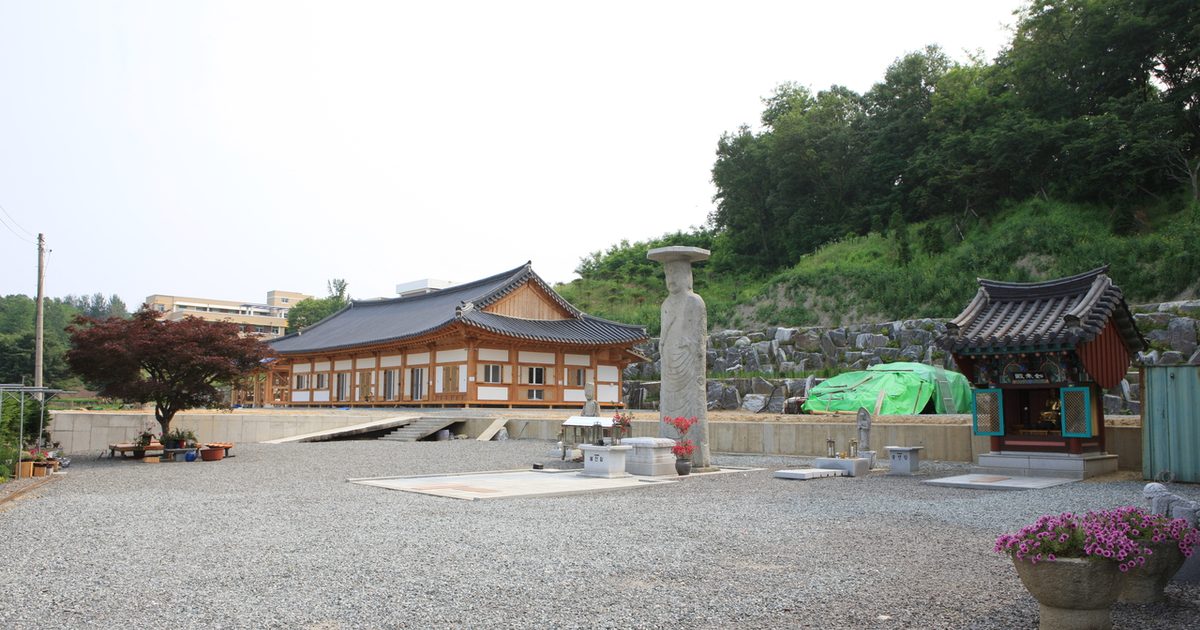
A full traverse of the entire wall takes over five hours and is a serious undertaking. First-time visitors will find it more manageable to start at the north gate (Bugmun) or east gate (Dongmun) and walk a section of the ridge before turning back. From the ridge, views open wide toward the mouth of the Nakdonggang River, with the streets of Dongnae laid out below — scenery that makes plain why this site served as a military stronghold for so long. The Sanseong Village near the north gate is a natural stop after the walk, known for black goat dishes and makgeolli.
Getting There
By public transport, take Busan Metro Line 1 to Oncheonjang Station, then board Bus 203 and alight at the Dongmun stop, a roughly 310 m walk from the gate. For the north gate, take the circular Bus 90 from Beomeo-sa Station. The Geumgang Park cable car climbs to roughly 540 m above sea level, reducing the physical effort for those who want a lighter experience of the fortress.
Visitor Tips
The Sanseong Village area is open at all times and there is no admission fee. The wall path mixes rocky terrain and unpaved sections, so hiking shoes are a better choice than trainers. The stretch between the north gate and Sanseong Village becomes crowded on weekend mornings; a weekday or early-morning visit is more comfortable. From mid-September onward, the temperature gap between day and night widens, so bring a light outer layer.