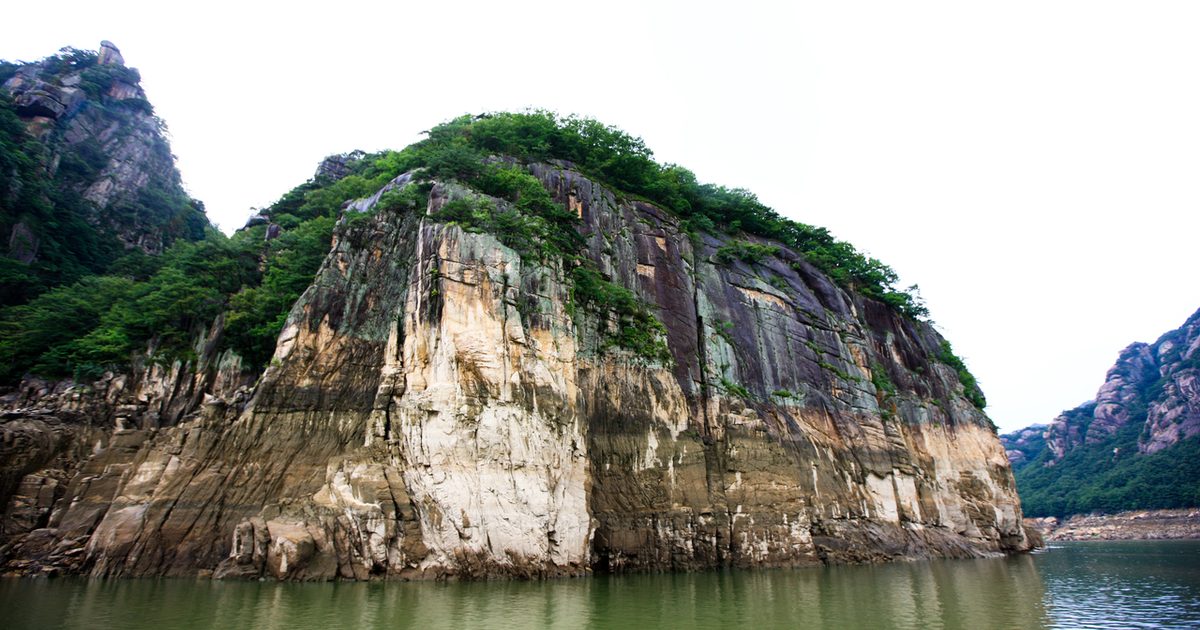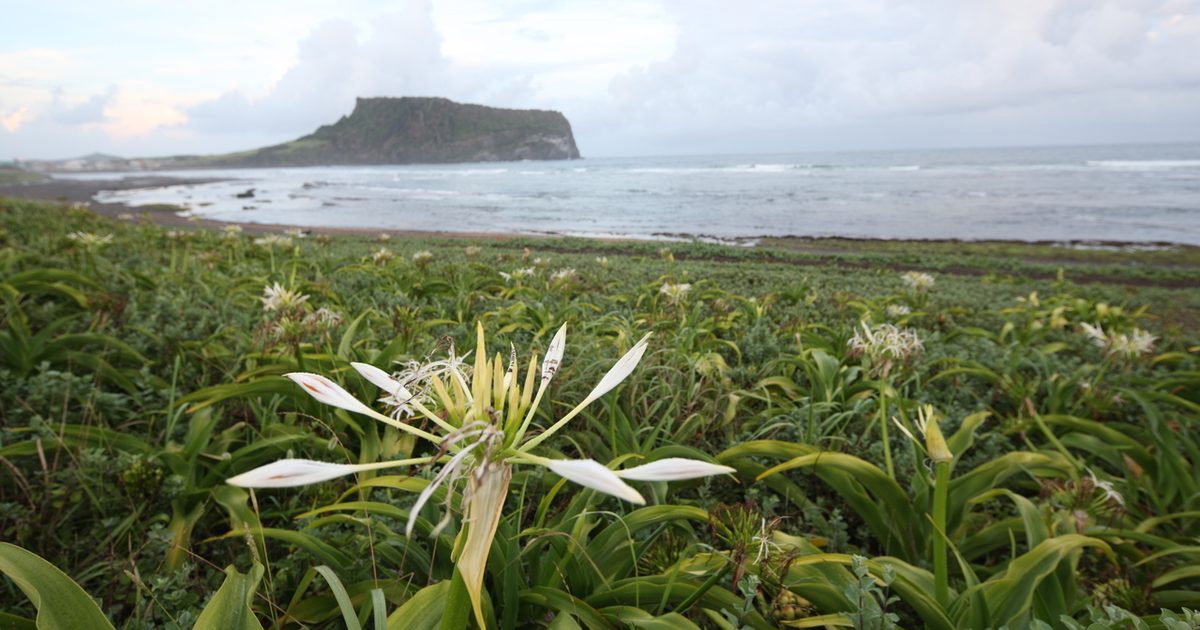
Drive far enough east across Jeju toward Seongsan-eup and a beach appears quietly at the roadside. There are no big tourist signs, no rows of tour-bus parking. It is simply dark — the sand, the rocks, the exposed reef when the tide pulls back, all of it dark. The effect is unfamiliar at first, but the moment your eyes adjust, you understand why Gwangchigi Beach is quietly passed among travellers who know Jeju's eastern coast.
Why Gwangchigi Beach Is Black
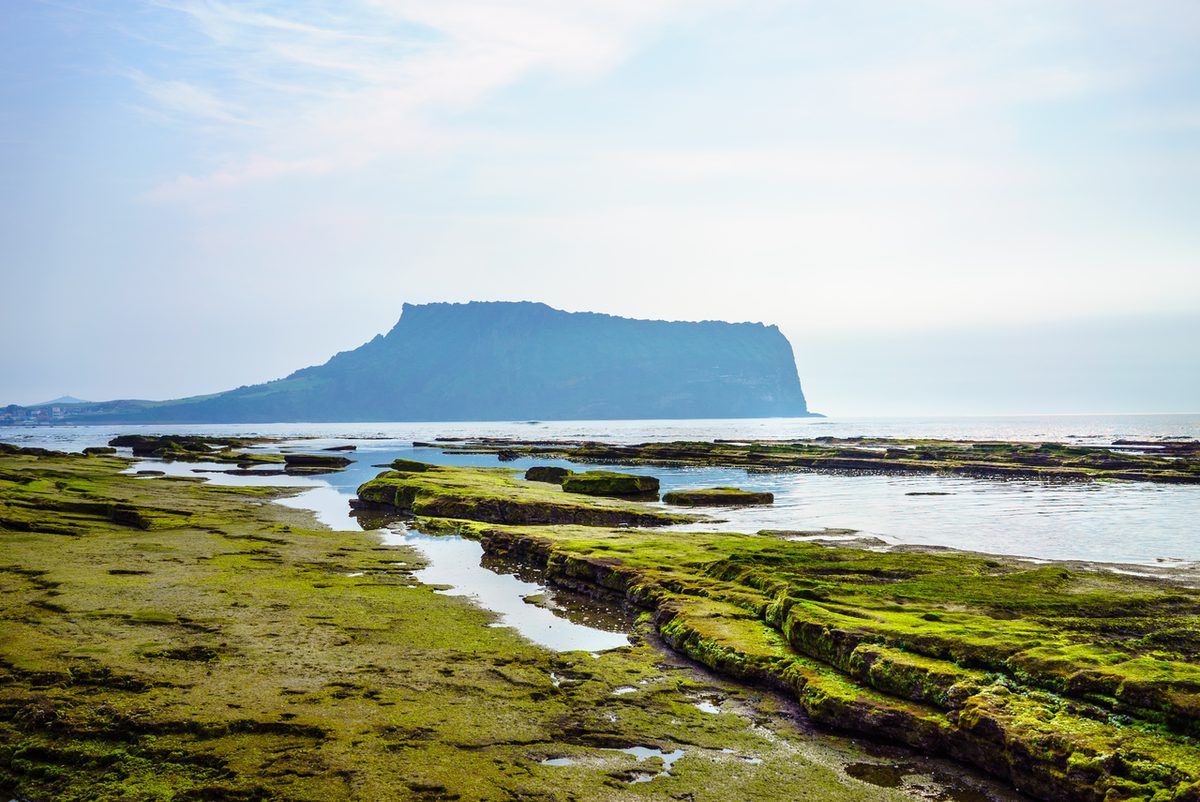
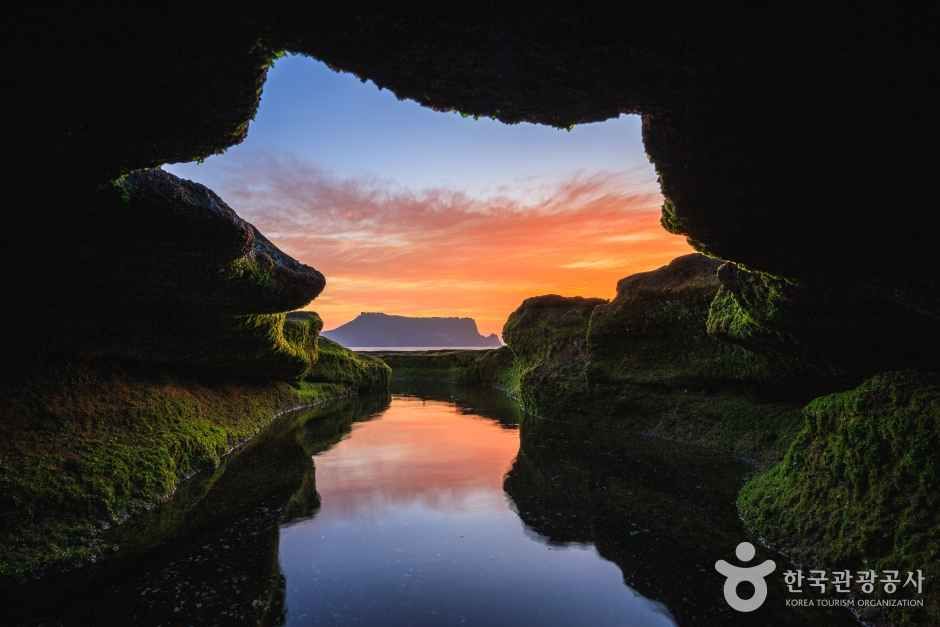
The sand at Gwangchigi is not the white quartz or granite sand typical of most beaches. It formed over thousands of years as Jeju's characteristic basalt slowly weathered and eroded into fine particles — a geological heritage unique to this island and unlike anything on the Korean mainland. When the tide falls and the seawater retreats, broad sheets of basalt reef are exposed beneath; across those dark slabs, a wide carpet of green moss spreads out. Black stone and green moss together define what Gwangchigi Beach looks like.
Why October in Particular
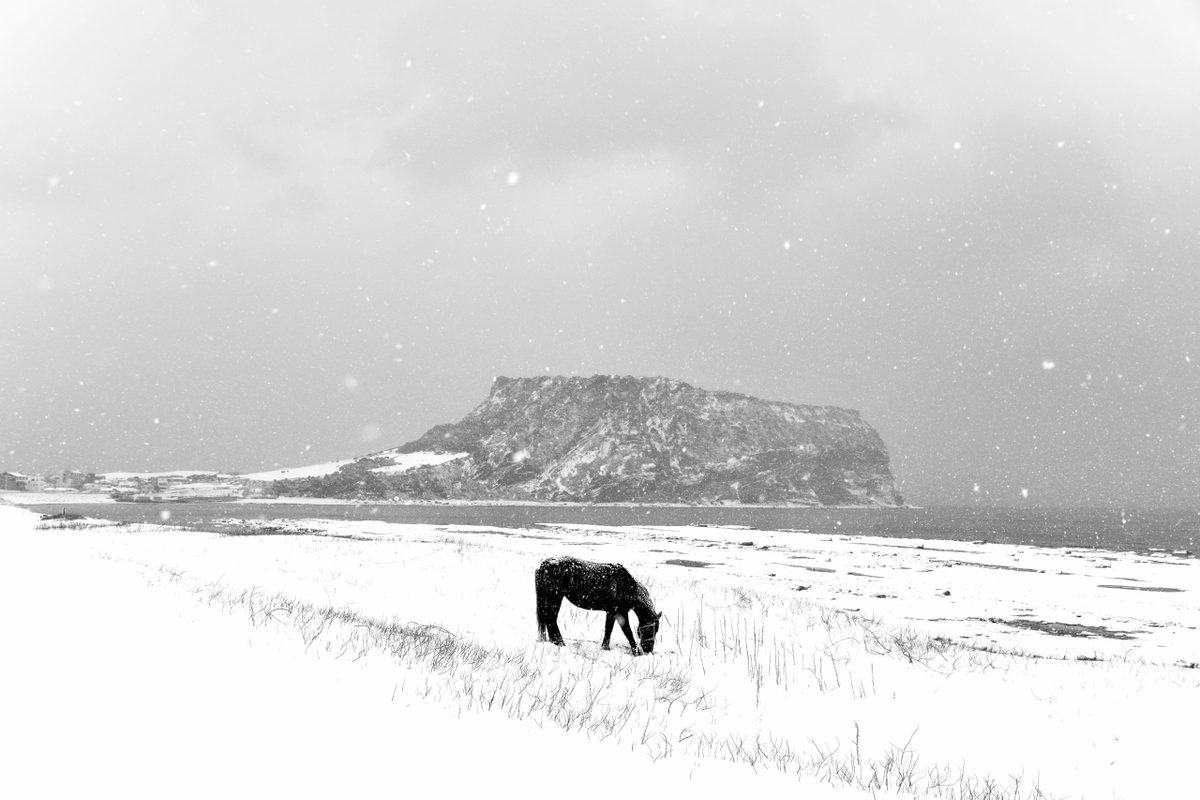
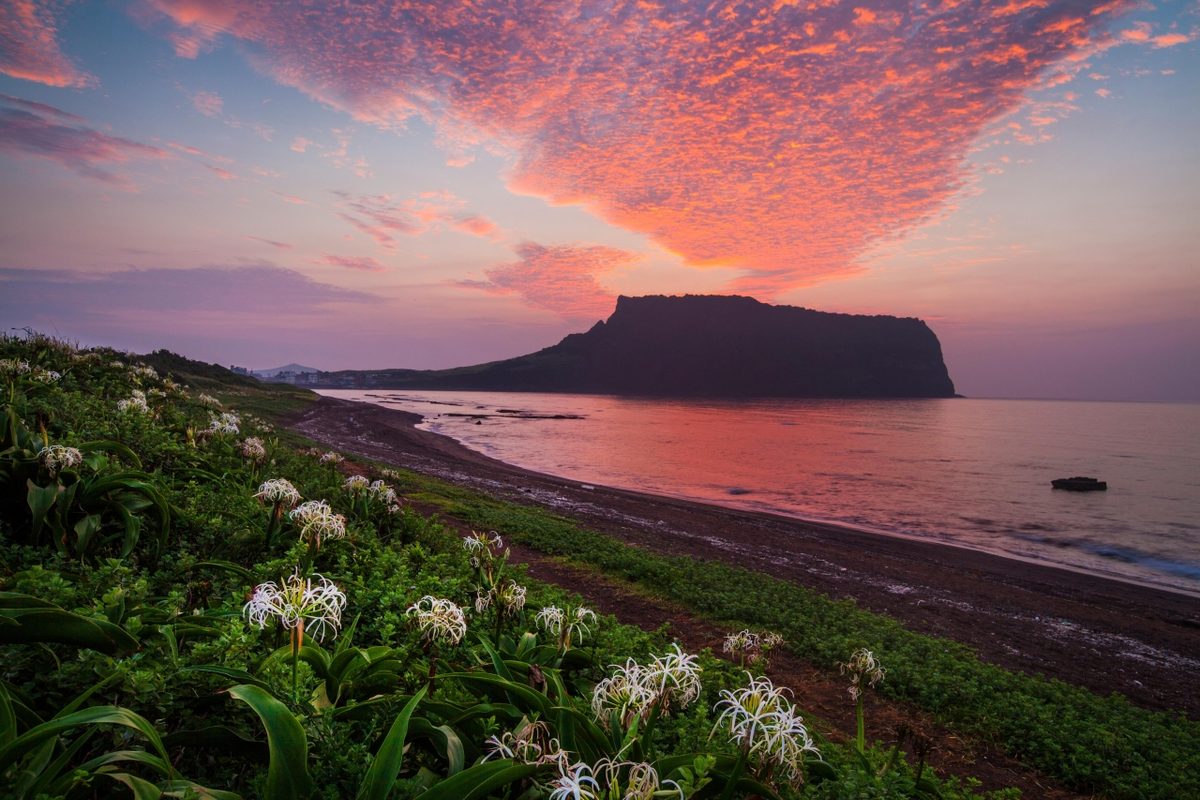
Jeju in summer is hot and crowded. Winter brings cold winds and short days. October sits in between: daytime temperatures of roughly 18–23 °C make walking comfortable, and the frequency of clear skies means Seongsan Ilchulbong, the sea, and the sky all fit naturally into a single frame. The reason travel information about this area consistently mentions the view of Seongsan Ilchulbong from the beach is straightforward — the peak sits directly in front of the shore, so a composed backdrop requires no special effort. Autumn is also when silvergrass (억새) reaches its peak, and nearby Seopjikoji can be combined into a single day's itinerary efficiently.
What to See and How to Move Around
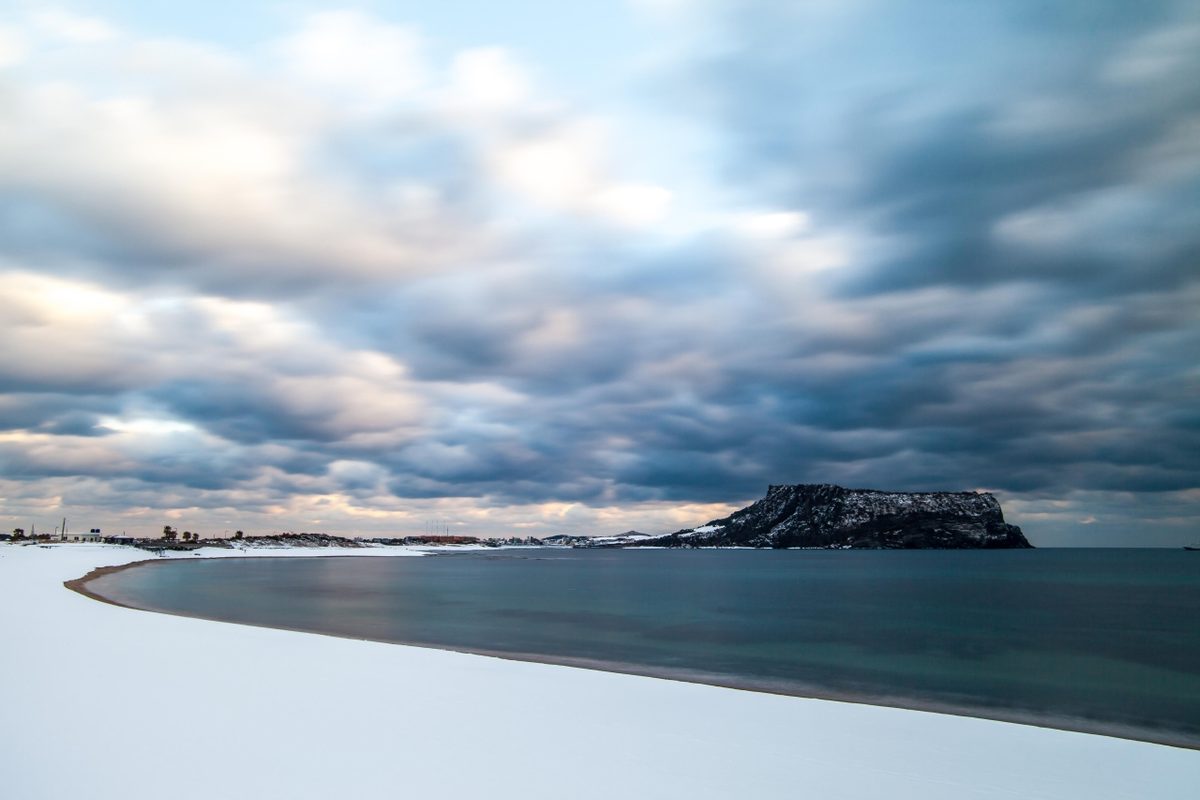
The single most important step before visiting Gwangchigi Beach is checking the tide table. Arriving at low tide reveals the basalt reef that normally sits underwater, and only then does the moss-covered rockscape fully appear. At high tide the reef disappears and the beach looks broadly similar to any other, so checking the tidal forecast from the Korea Hydrographic and Oceanographic Agency (국립해양조사원) the day before your visit is strongly recommended.
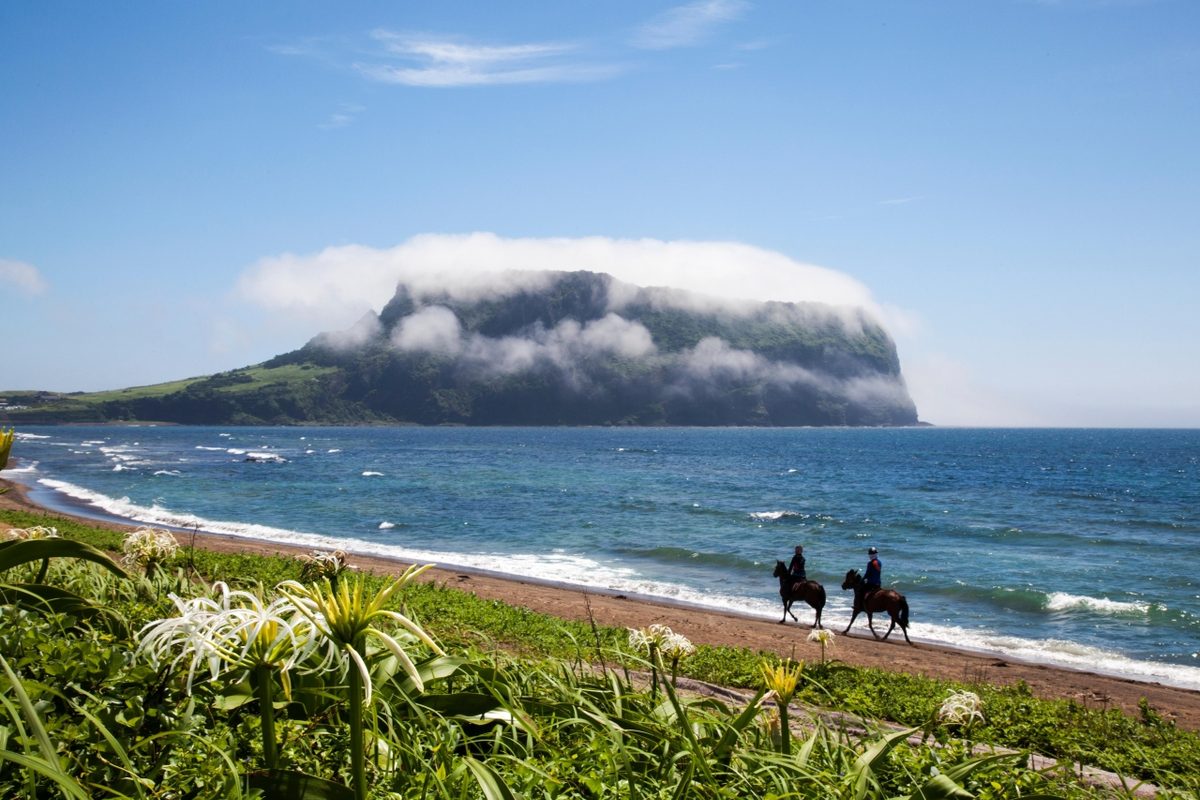
Many visitors time their arrival for sunrise. Because the beach faces east, the sun rises directly over the water, and the silhouette of Seongsan Ilchulbong against the early-morning light creates an atmosphere entirely different from what you see during the day.
Entry to the beach itself is free. Seongsan Ilchulbong, nearby, charges an admission fee and is closed on the first Monday of every month for its regular day off — confirm the date before combining both into the same outing.
Getting There and Practical Tips
From Jeju City, head toward Seongsan Ilchulbong and follow the signs for Gwangchigi Beach. Most visitors travel by rental car. By public transport, alight at Seongsan Transfer Stop (성산환승정류장) and walk from there. The entire Seongsan area tends to become congested on weekend mornings between 10:00 and 14:00, so an early morning or late afternoon visit will be noticeably more relaxed. Gwangchigi Beach has few facilities — and that absence of amenities, unexpectedly, is part of what makes visitors linger longer than they planned.