Why September — Chungju Lake in Early Autumn
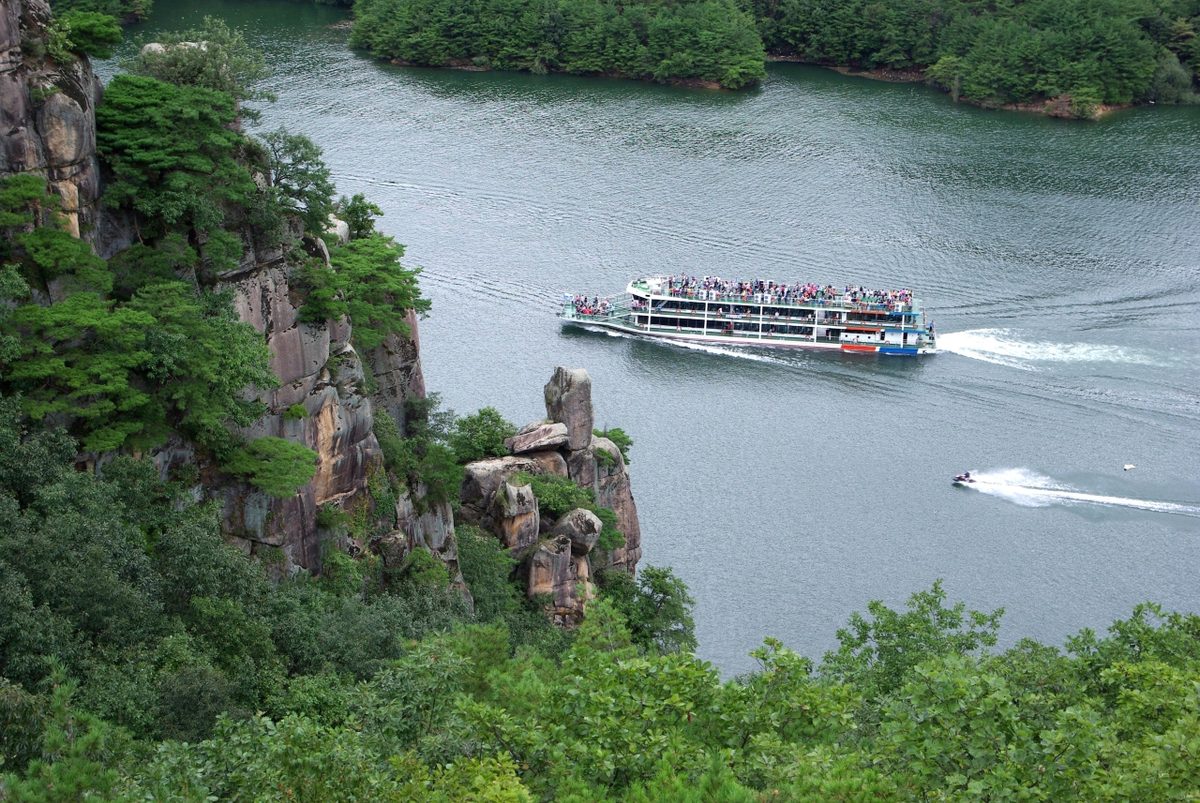
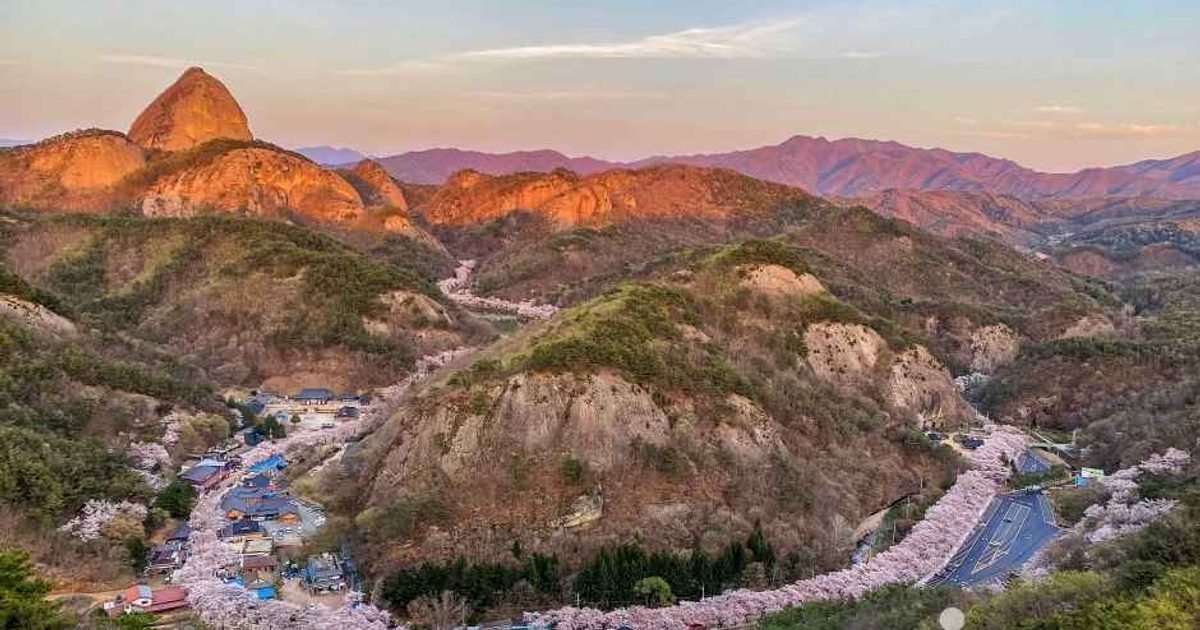
As the intense summer heat fades and a cool breeze begins to move across the water, September marks what many consider the most pleasant time of year to visit Chungju Lake. The mountain ridges that wrap around the lake are already dramatic when the foliage is deep green, but from late September onward, the hillsides begin to turn color from the peaks downward — a gradual transformation that is best appreciated from the deck of a ferry. Autumn foliage generally spreads across the area between late September and early November. Visiting in mid-September, before the foliage reaches its peak and crowds build to their highest point, gives you a noticeably more relaxed experience.
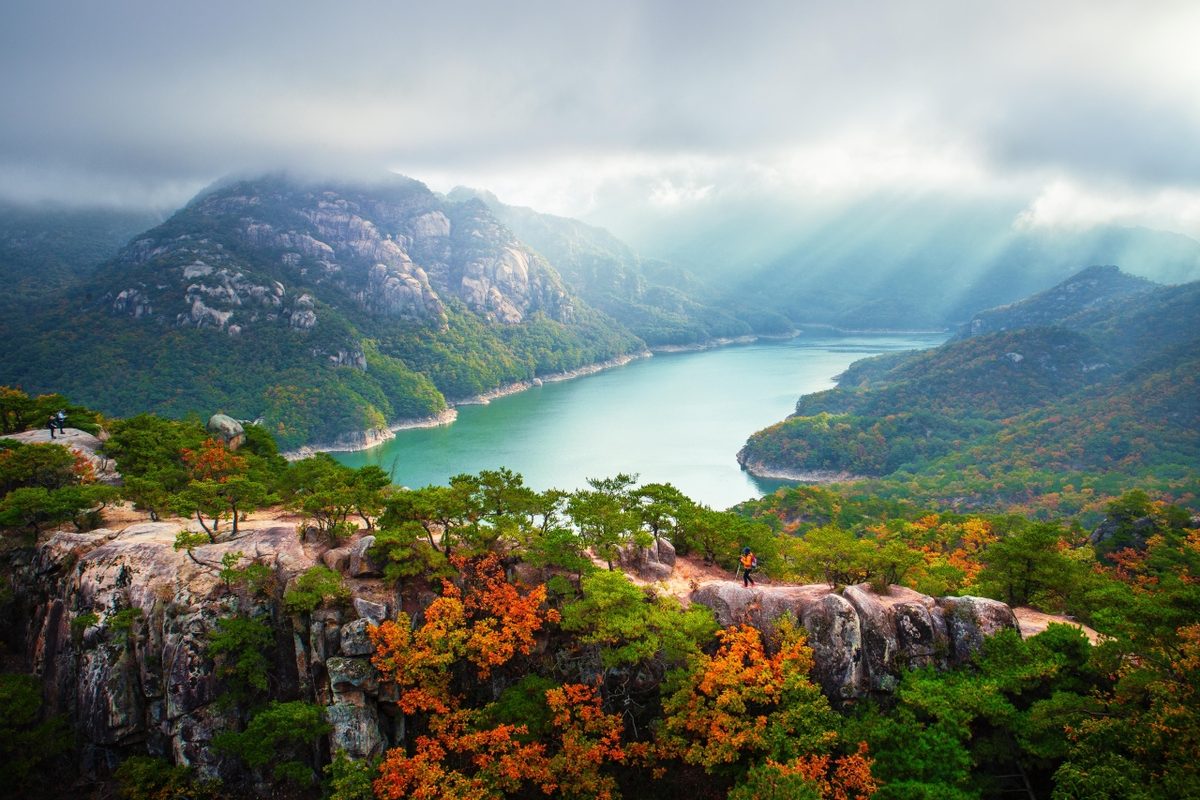
Why Janghoe Naru Is Considered the Scenic Highlight
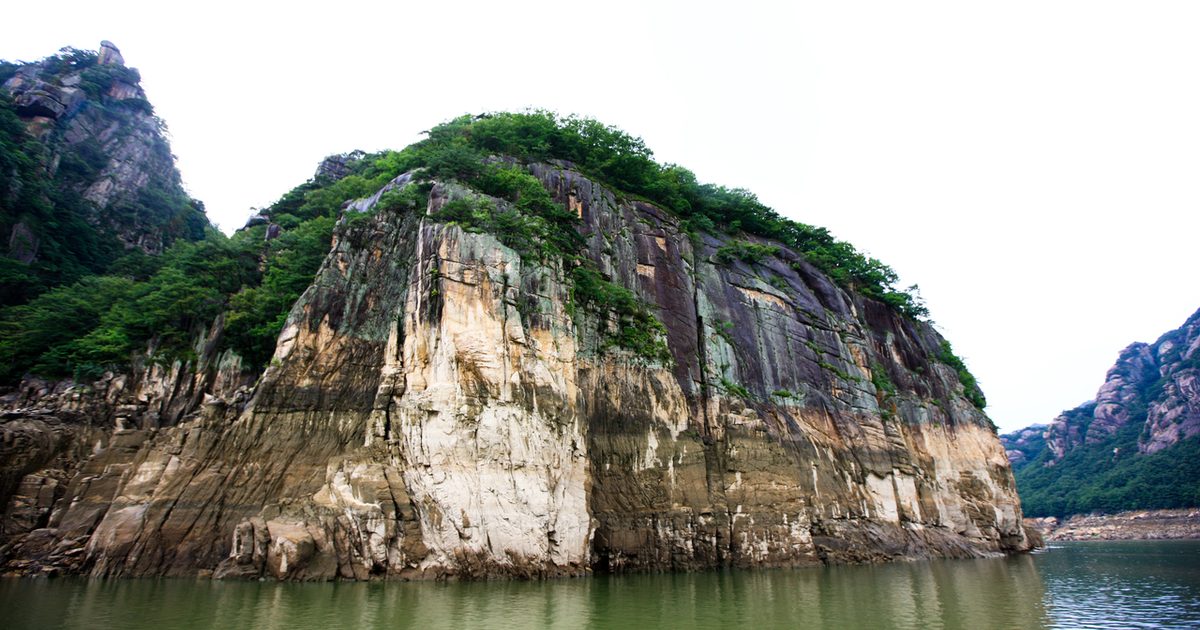
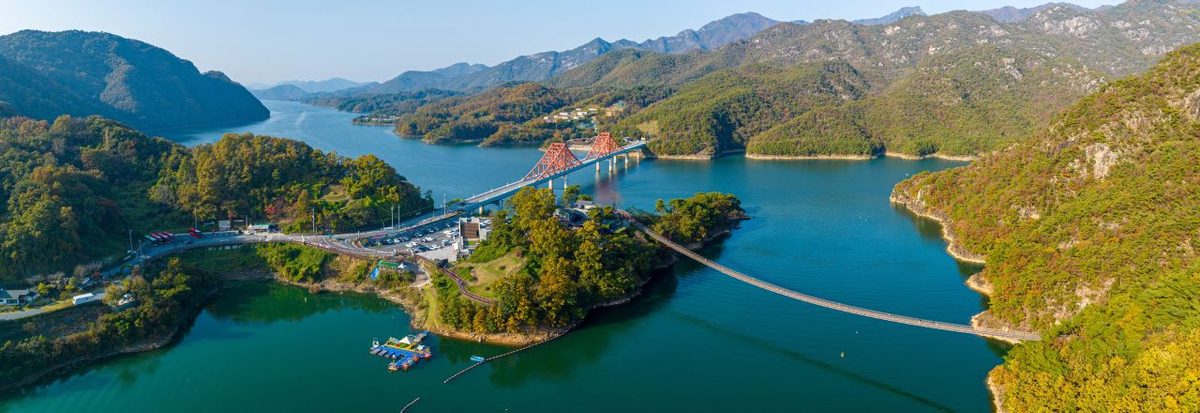
There are five ferry departure points on Chungju Lake in total — two in Jecheon and three in Danyang. Among them, the route departing from Janghoe Naru in Danyang is widely regarded as the most scenic and consistently draws the largest number of visitors. The ferry leaves Janghoe Naru, passes through the channel between Oksubong and Gudambong peaks, goes under Oksu Bridge, and then returns along the same route — a round trip. As the channel narrows into something resembling a gorge and the cliff faces close in on both sides, passengers naturally drift toward the deck railings for a closer look.
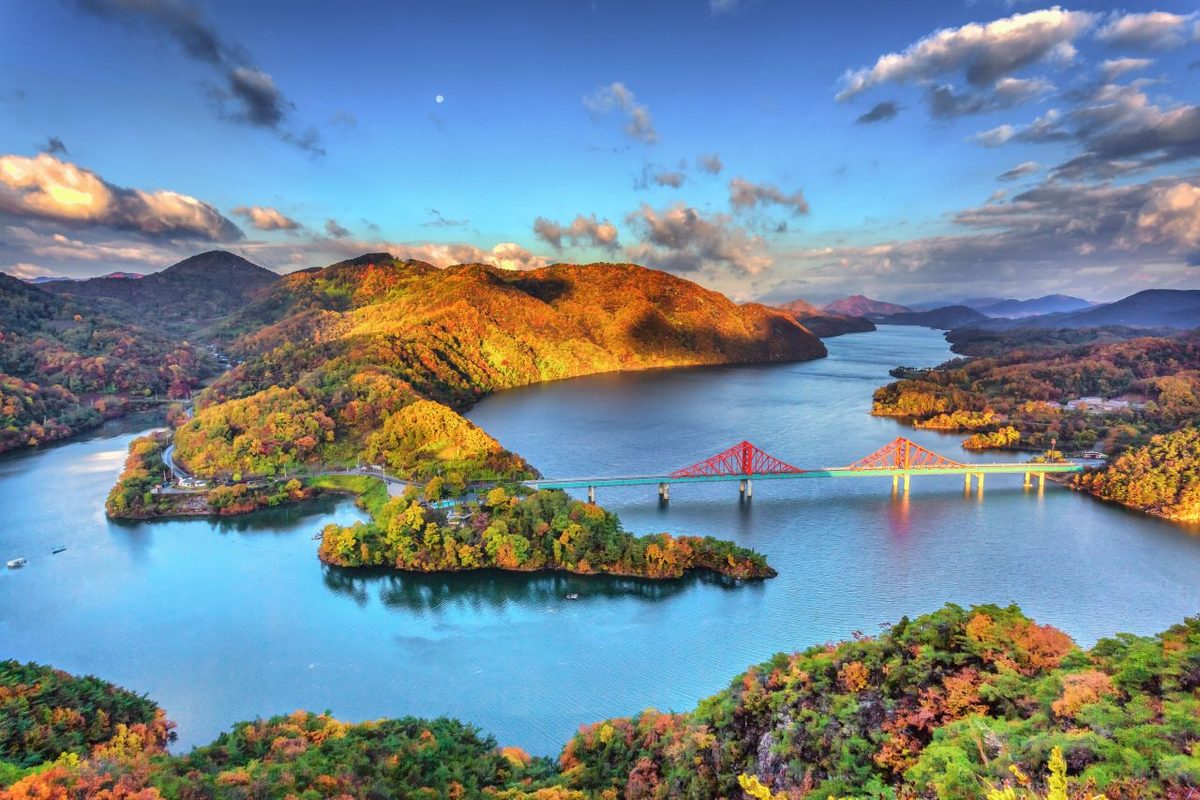
The standard adult ferry fare is ₩10,000 when purchased on-site, or ₩8,000 when booked online in advance (a ₩2,000 discount). For smaller groups or those who prefer a faster ride, a speedboat (smaller vessel) is also available separately at ₩23,000 per person. One important requirement: you must carry a valid photo ID when boarding. Passengers without ID may be refused at the gate, so double-check your wallet before you leave.
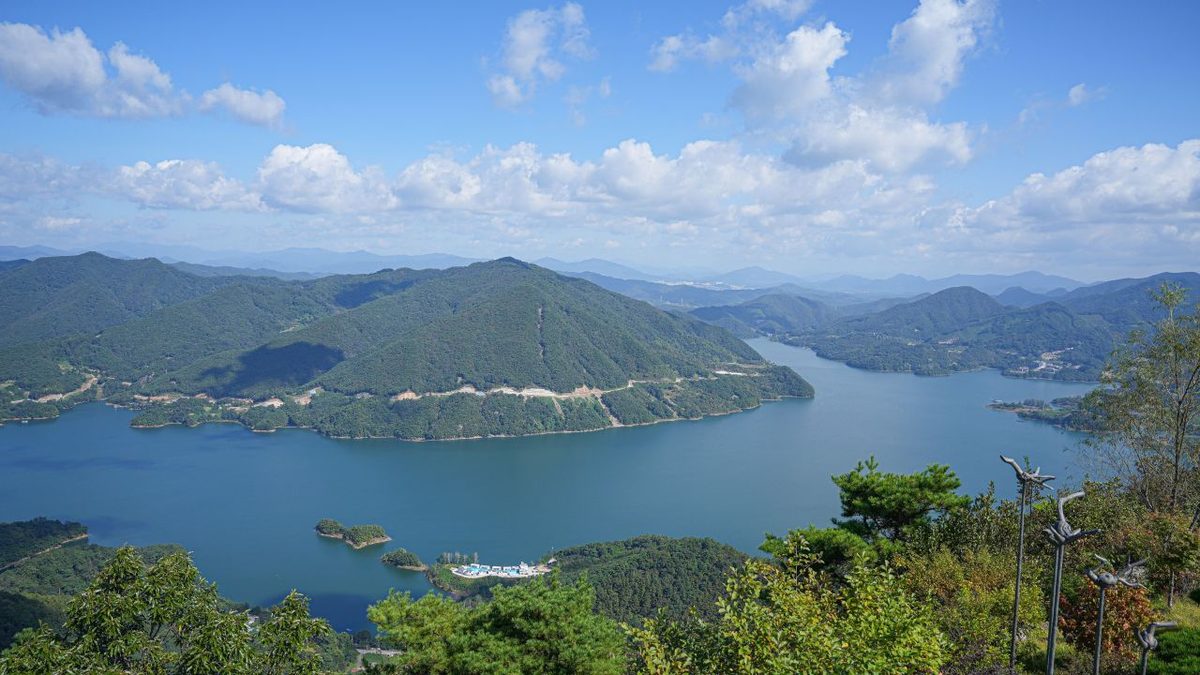
Getting to Janghoe Naru and On-Site Tips
Janghoe Naru is located in Danseong-myeon, Danyang-gun, North Chungcheong Province. By public transport, the most common options are a local bus from Danyang Intercity Bus Terminal or a taxi. If you are driving, entering '장회나루 선착장' or '충주호 유람선 장회나루' into your navigation app will take you directly to the dock. Parking is available on-site, but spaces fill up quickly on weekend mornings and during the peak foliage period, so arriving on a weekday or early in the morning is advisable.
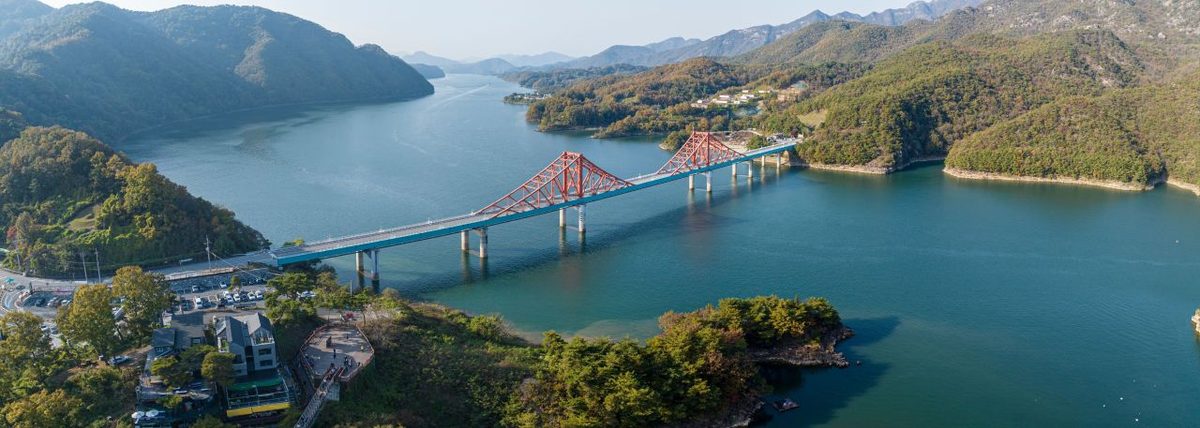
Ferry departures can be cancelled depending on weather and operating conditions, so it is worth confirming the day's schedule before you head out. In addition to Janghoe Naru, ferries also depart from Cheongpung Naru (Jecheon) and Chungju Naru (Chungju), and both round-trip and one-way options are available depending on the route.
Crossing Korea's Largest Lake for ₩10,000
Chungju Lake came into existence when the Chungju Dam was completed in 1985, blocking the South Han River (Namhan-gang). By surface area it is the largest artificial lake in Korea; by freshwater storage capacity it ranks second, after Soyang Lake. Taking in that scale from the water costs ₩10,000 at the gate, or ₩8,000 with an advance online booking — a reasonable price for the experience. Passing directly between the cliffs of Oksubong and Gudambong is a fundamentally different experience from viewing them from a riverside road or an observation deck; the sense of proximity and scale is of a different order entirely. In September, when clear skies, calm water, and the first hints of color on the mountainsides coincide, the Chungju Lake ferry cruise makes for an accessible and worthwhile day trip.