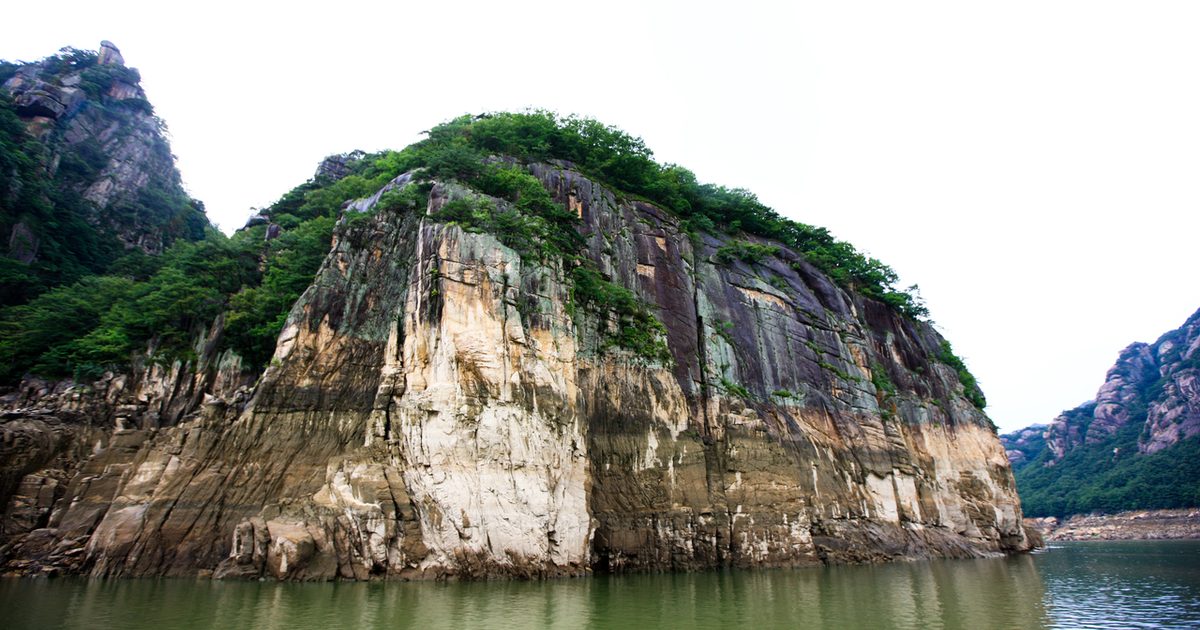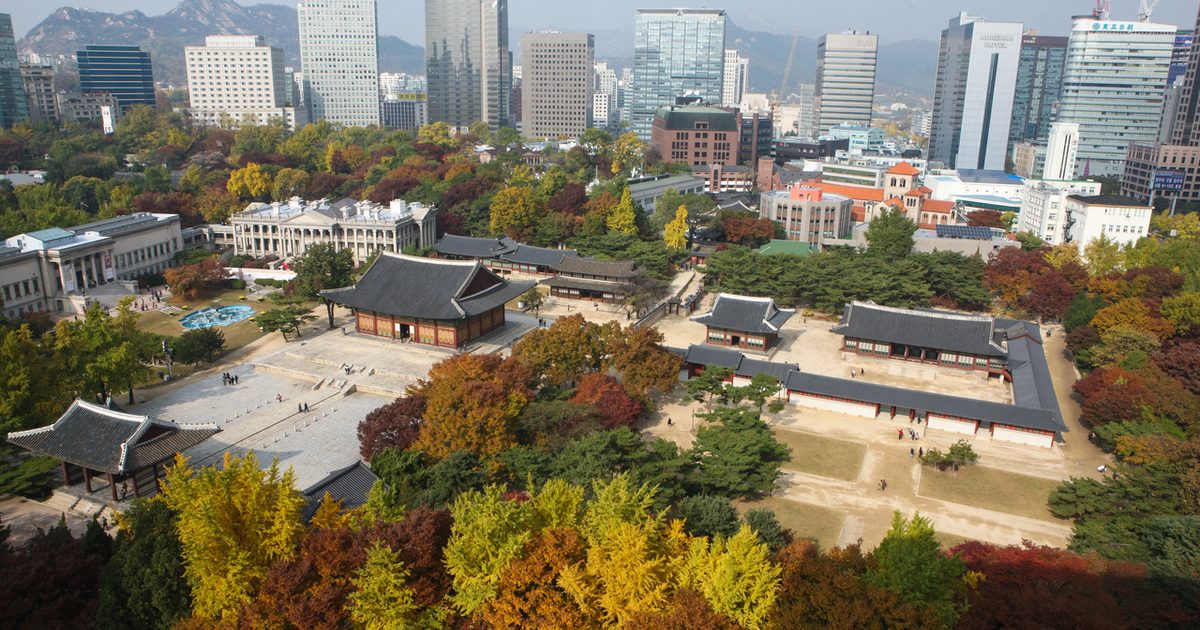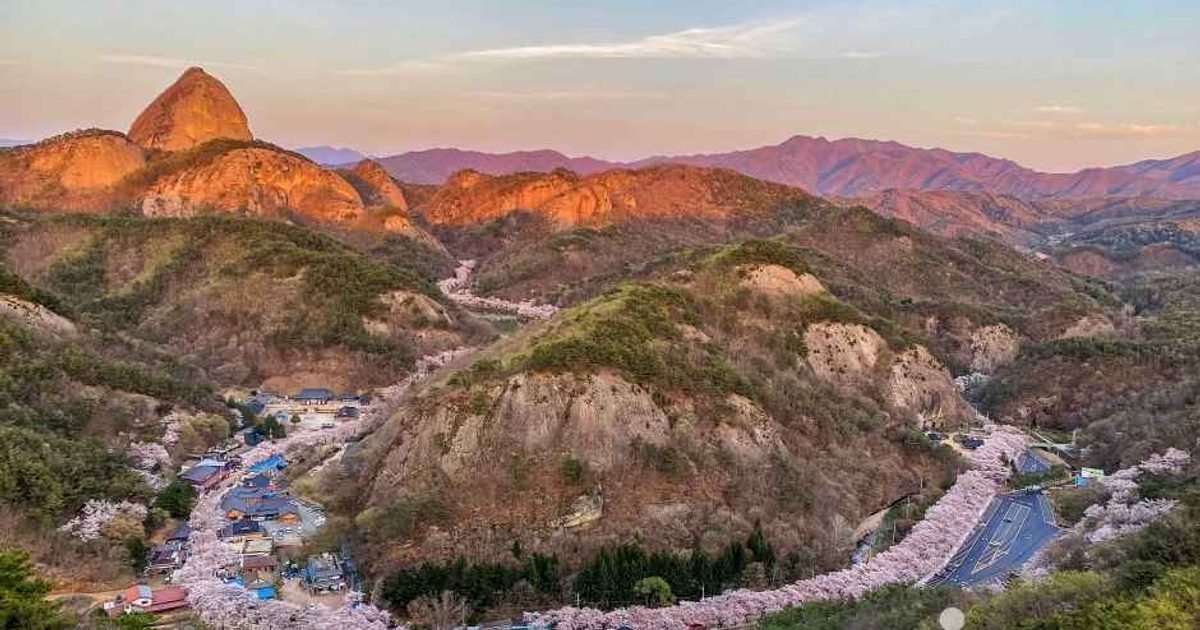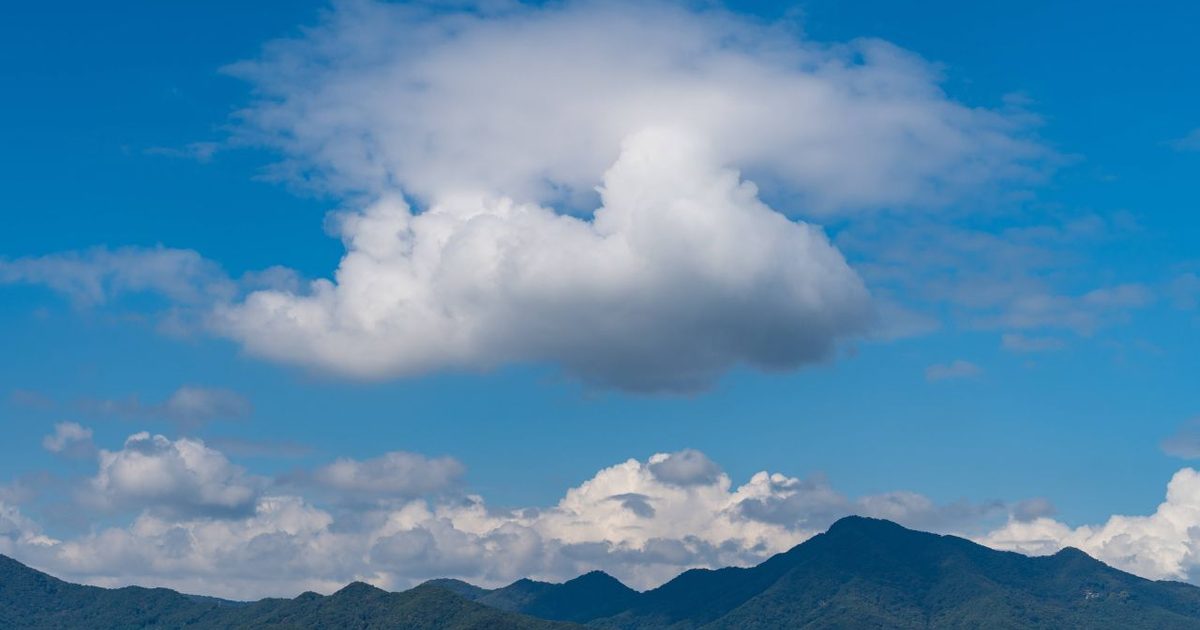
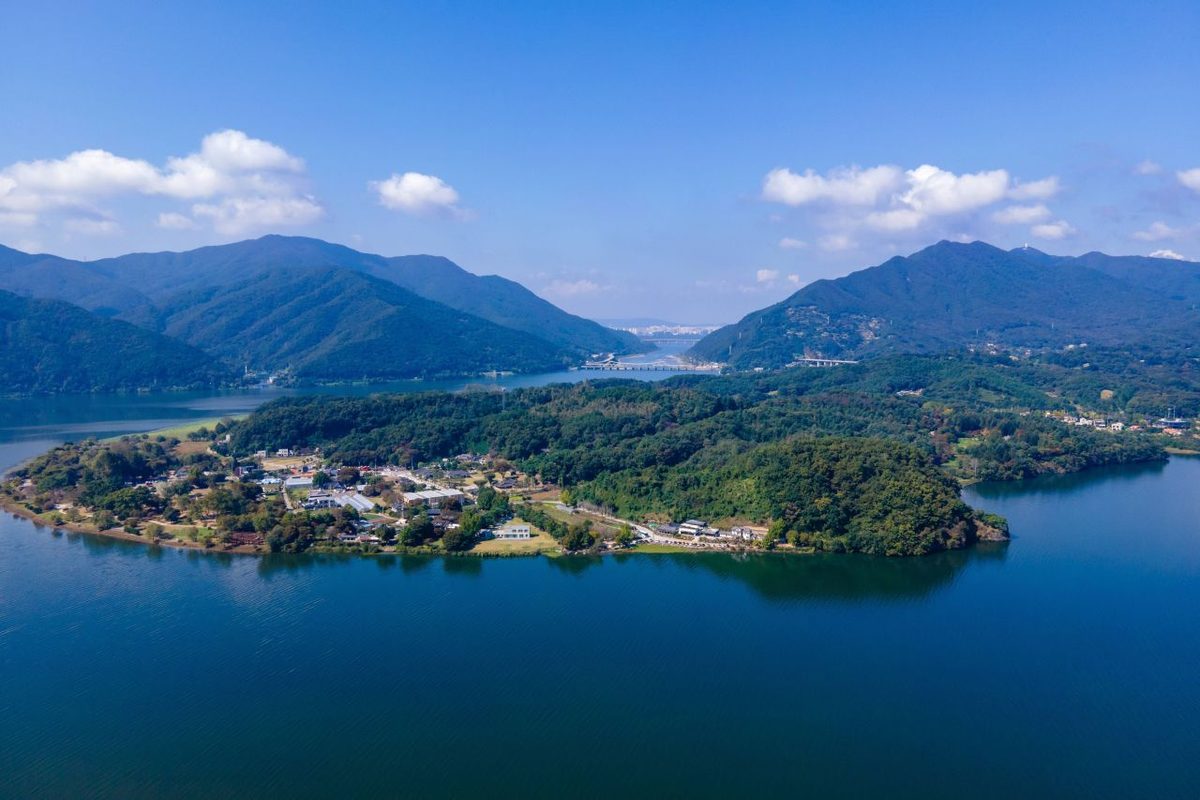
Watch the pale mist rise slowly off the surface of Paldang Lake at first light, and you'll understand immediately why this place is called Mul-an-gae Park — "water mist park." Located in Namjong-myeon, Gwangju-si, Gyeonggi-do, the park draws visitors in spring and summer as well, but October is when it truly shines: fall foliage and reed beds hit their peak simultaneously, cementing its reputation as one of the area's standout autumn destinations.
Why October in Particular
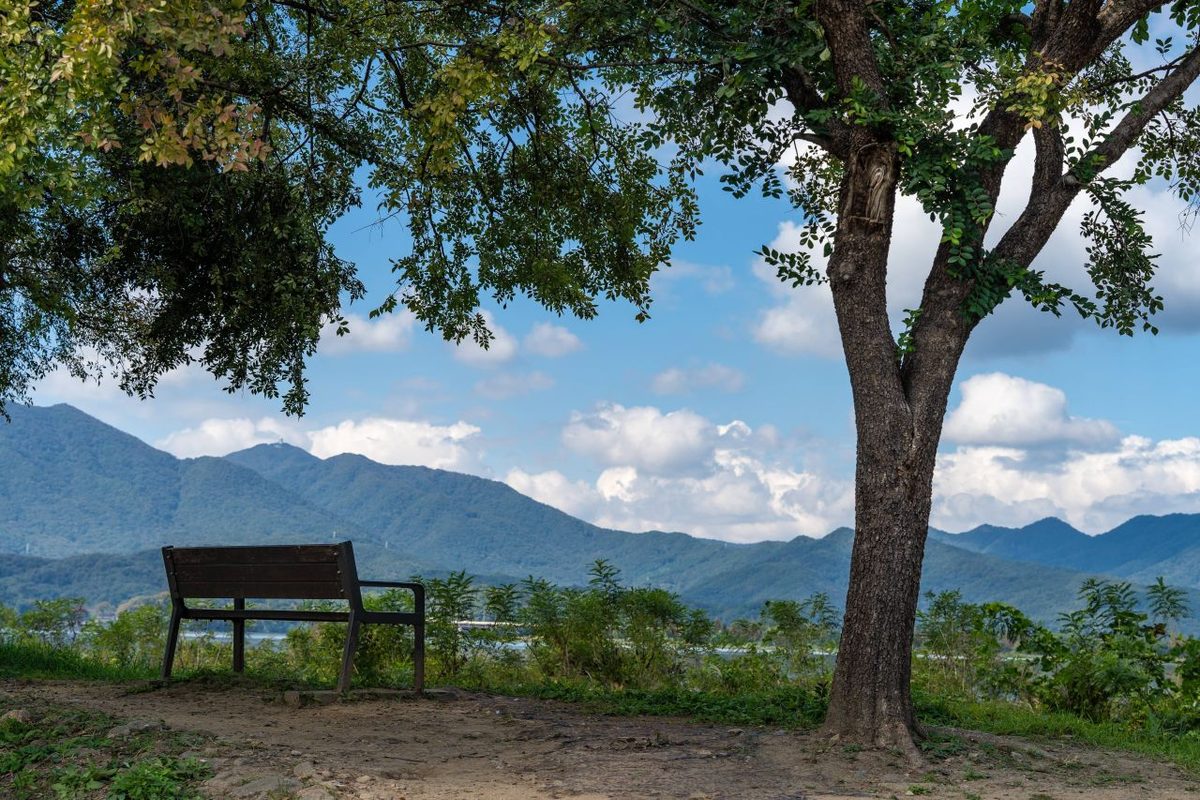
From late August through September, the cosmos flower paths are the main draw — the long walking trails lined with cosmos blooms are well known as one of the park's signature faces, and visitor reviews from that season are consistently enthusiastic. But the mood shifts once October arrives. As the cosmos gradually give way, the reed groves turn a deep golden hue and the trees layer on reds and yellows. Gwangju City's official social media channels have highlighted Paldang Mul-an-gae Park — alongside Sucheongnri Pier — as a featured autumn foliage spot this fall, sharing photos and video of the scenery, a recognition that the park's October landscape is celebrated even locally.
What to See and Do
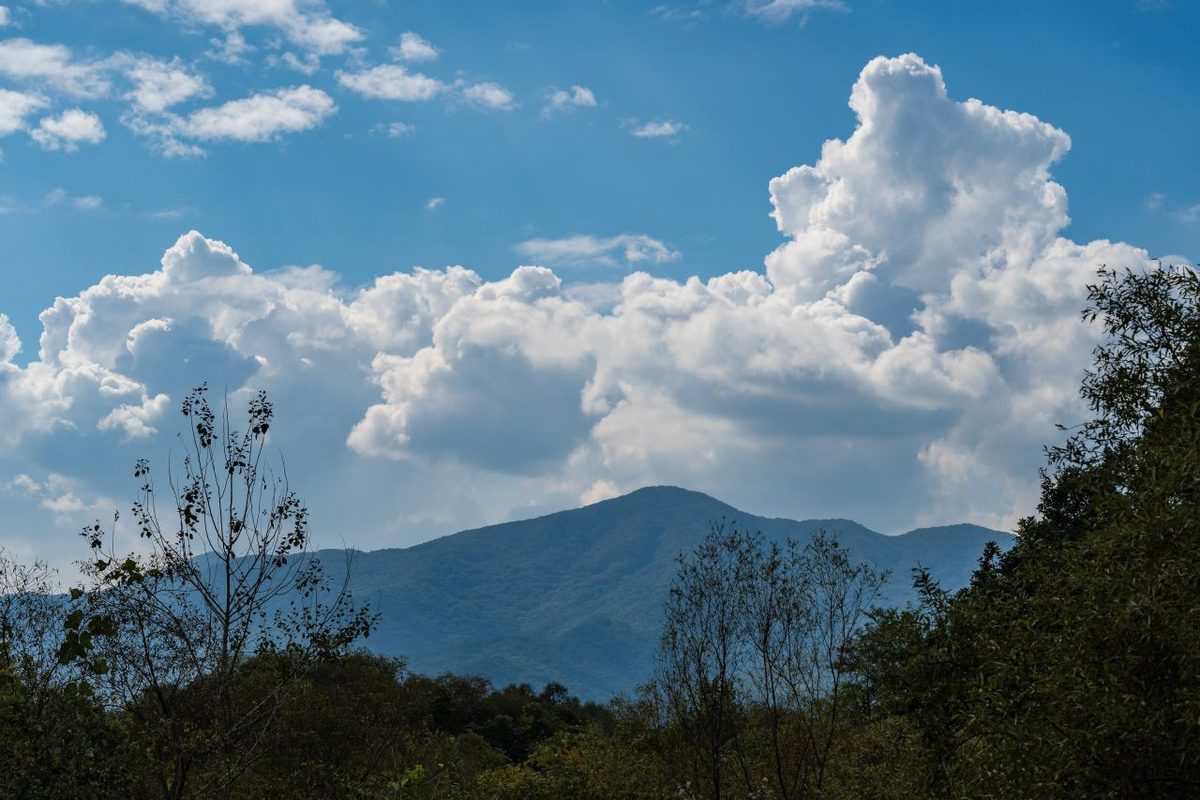
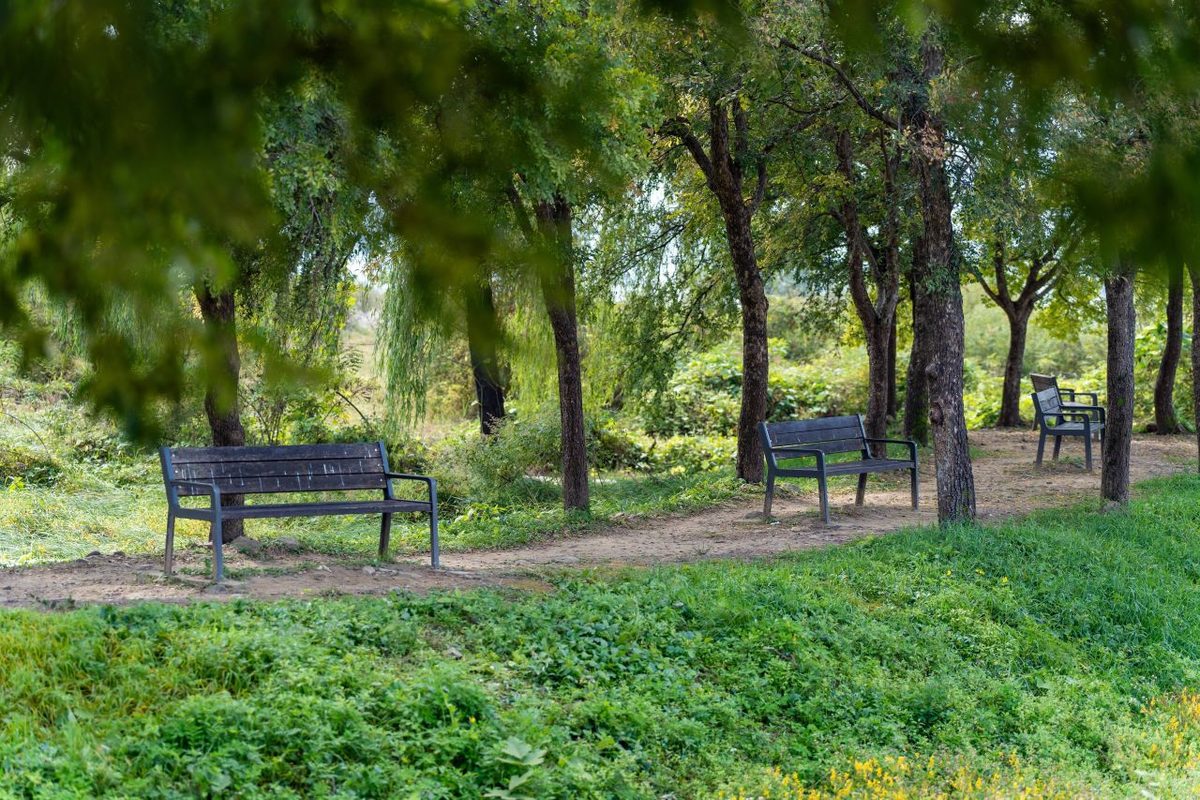
The walking paths connecting the park's various sections are well maintained and level, making them easy for a relaxed stroll. Along the way, stretches open up to unobstructed views of Paldang Lake through the reeds — and it's at these spots that photographers gather with their cameras from early morning, hoping to catch the mist rising off the water. The fog tends to be thickest in the early morning hours on days with a large temperature gap between night and day, so if your schedule allows, aim to arrive around sunrise. The window when fall color, reeds, and water mist all overlap is a seasonal bonus that is hard to replicate.
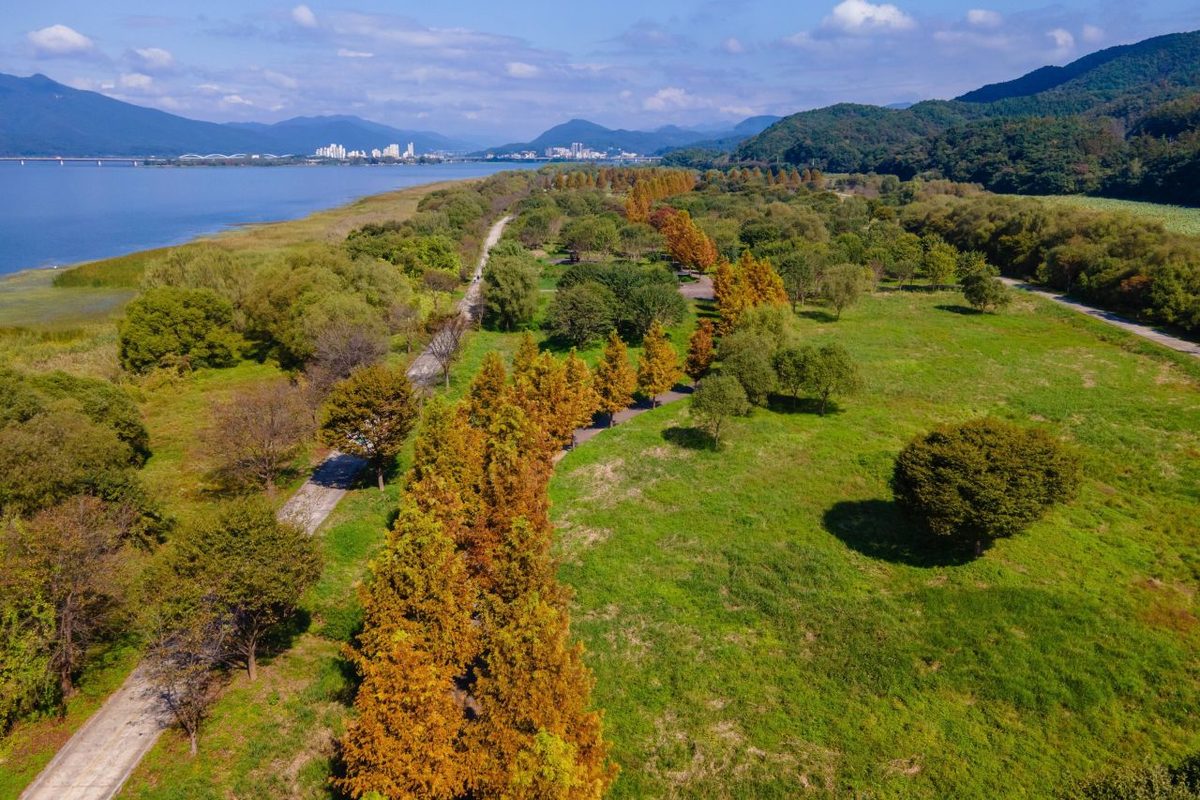
The park is large enough that a leisurely walk takes one to two hours, and depending on your pace and route, a half-day outing is entirely feasible. A dedicated cycling path runs through the park as well, and a bicycle rental station operates seasonally depending on weather and time of year — it's worth calling ahead to the Urban Management Corporation (031-762-1039) or checking on-site before your visit.
Getting There
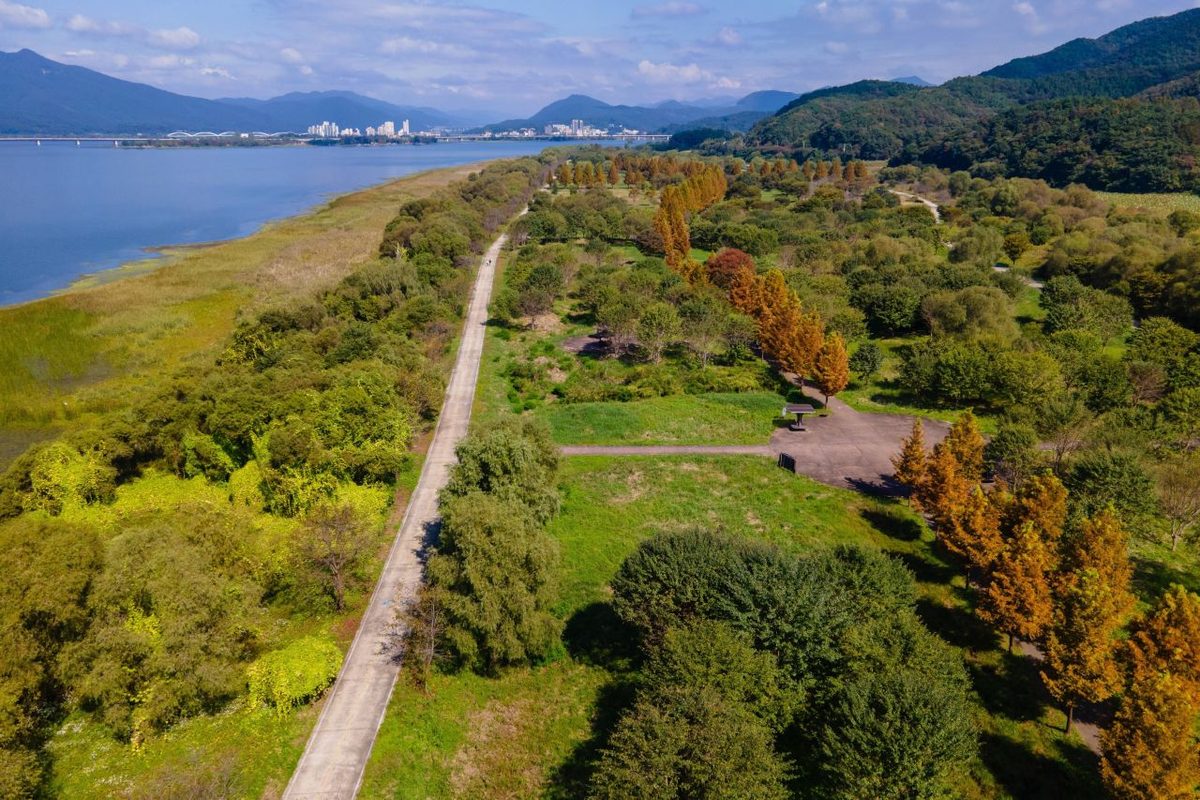
By car from Seoul, the drive takes roughly one to one and a half hours. A spacious parking lot in front of the park means finding a spot is generally not a concern, even on weekends. For public transit, take a bus and alight at the Gwiyeo 1-ri (귀여1리) stop, which is close to the park entrance.
Before You Go
Admission is free and the park is open year-round. General operating hours are 5:00 a.m. to 8:00 p.m. during the summer season (March–October) and 7:00 a.m. to 6:00 p.m. during the winter season (November–February), though hours are subject to change and it is advisable to confirm before visiting. The exact peak of the fall foliage in October shifts from year to year depending on temperatures and weather, so checking recent visitor reviews or park updates before locking in your date is a good idea. If you'd rather avoid busy weekend mornings, a weekday early morning visit is your best bet — and as it happens, the water mist is at its most spectacular in the early hours anyway.