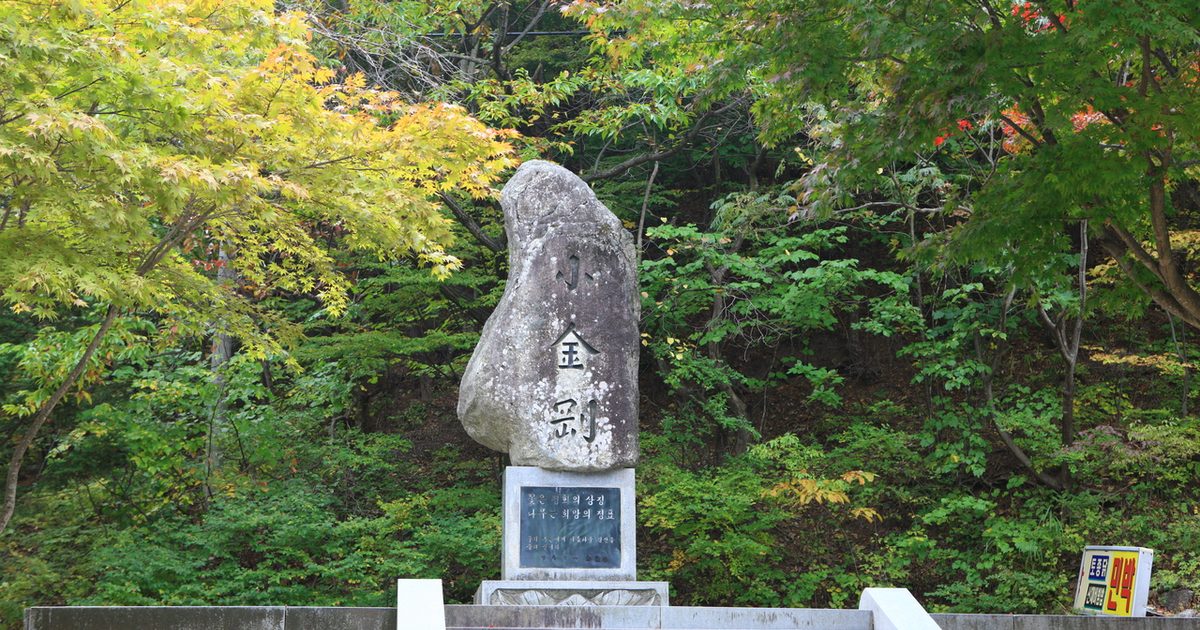
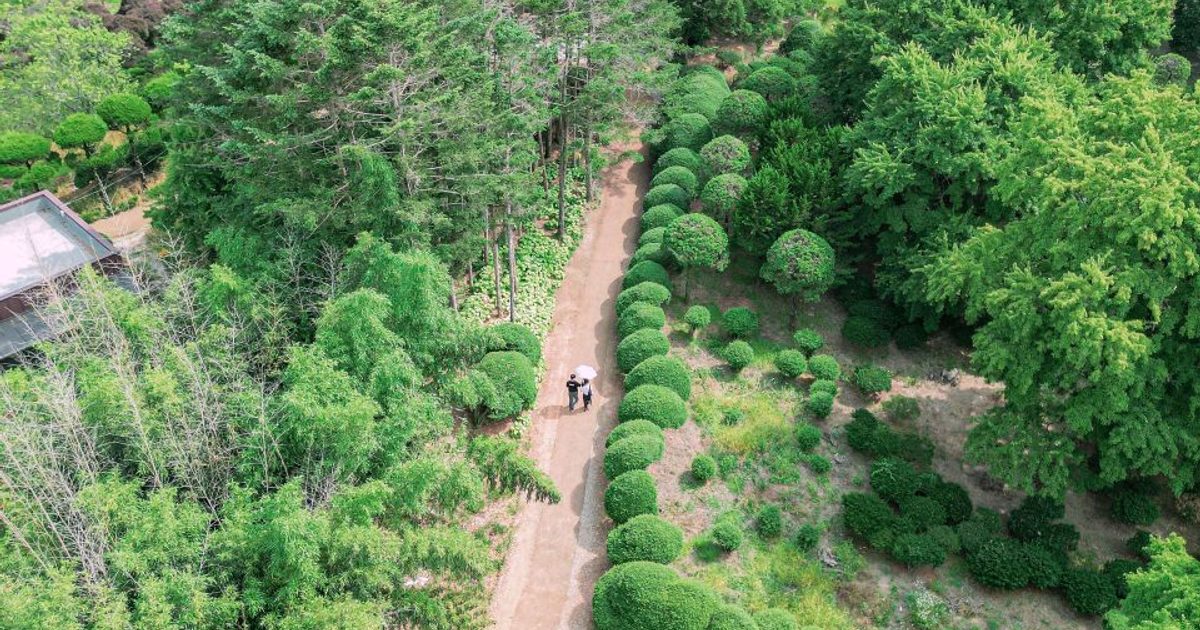
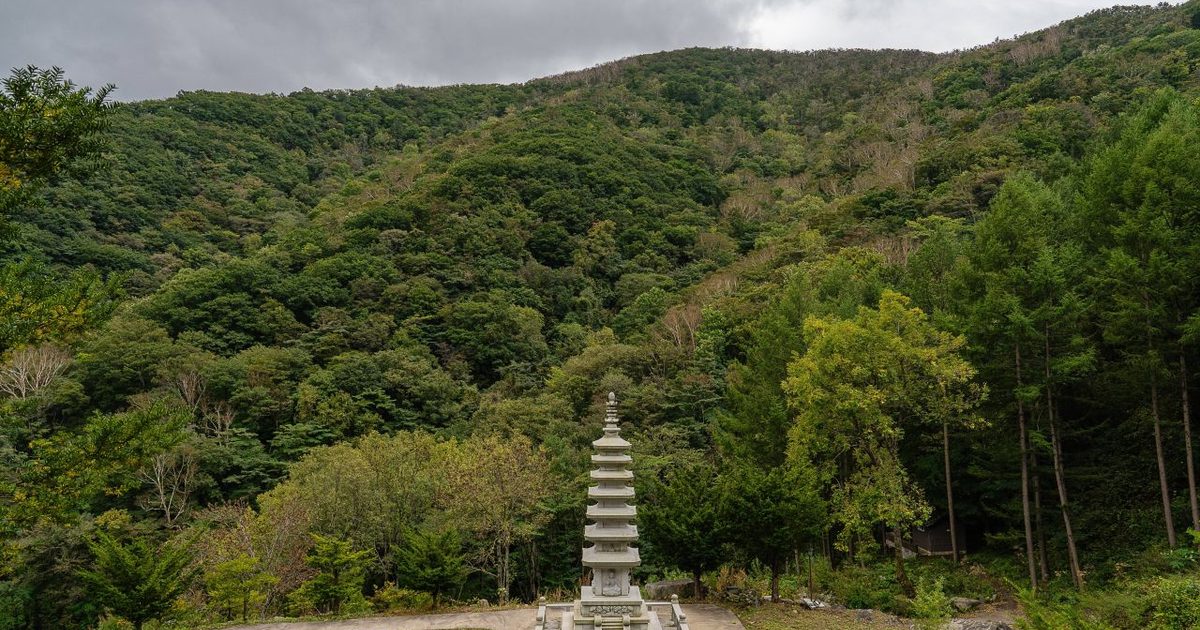
Nestled in the embrace of Jirisan, Hwaeomsa reveals a special face in August. Brilliant pink crape myrtle trees (baengnyongnamu, also known as baegilhong) burst into bloom throughout the temple grounds, their vivid color spreading vividly between stone walls and clay-tiled rooftops in a scene that exists only in this season. The entire path leading up to the temple is shaded by dense forest and flanked by a valley stream, making the walk itself a form of cooling off.

Why August Is the Right Time to Visit

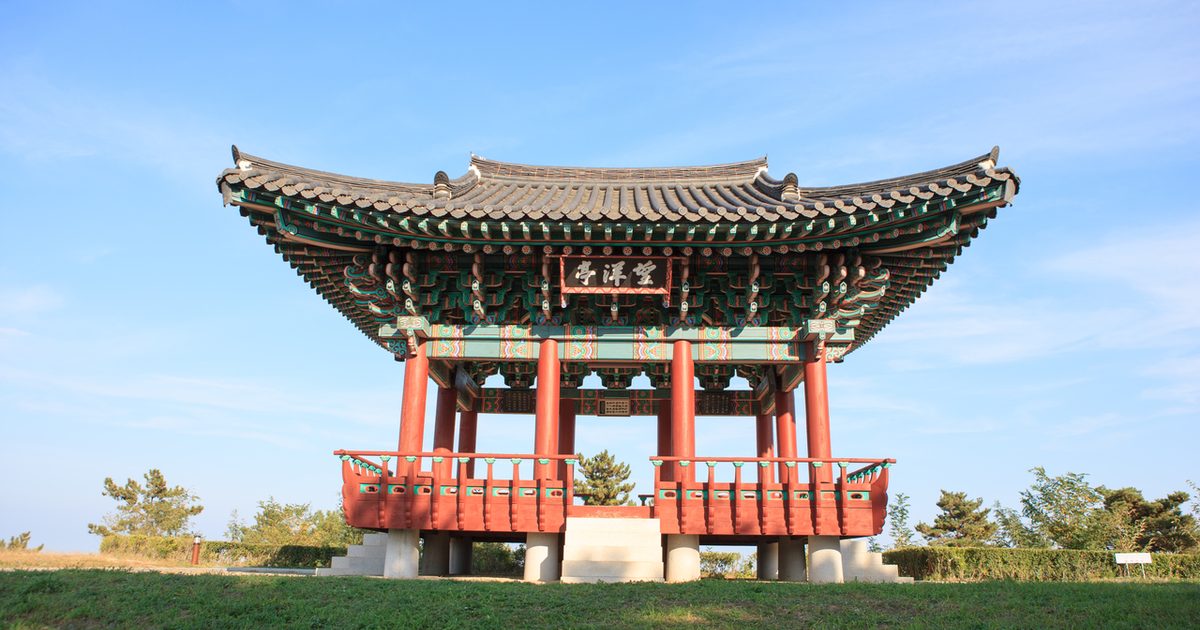
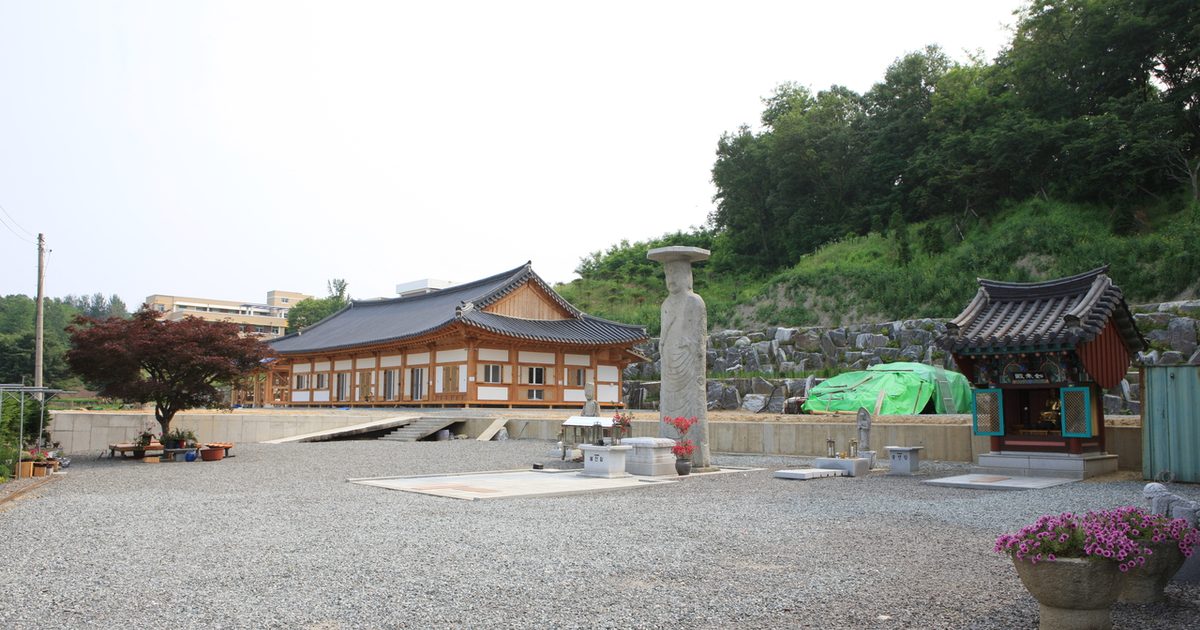
Hwaeomsa is widely regarded as one of the finest spots in Korea to see crape myrtle in August. The grove of crape myrtle trees lining the stone steps that lead up to Daeungjeon (the Main Hall) and Gakhwangjeon, as well as those growing beside the stone Buddha statues, reach peak bloom during this period. The sight of deep-pink flower clusters set against grey stone walls and the dignified lines of old tiled rooftops is striking enough to stop even travelers who rarely take photographs. The largest crape myrtle on the grounds stands directly in front of Daeungjeon — tall and densely flowered, it complements the temple's solemn atmosphere in a way that feels entirely natural. Because crape myrtle holds its blooms for an unusually long time, you can enjoy the flowers throughout the entire month of August.

A Cool Approach: The Path Up to the Temple
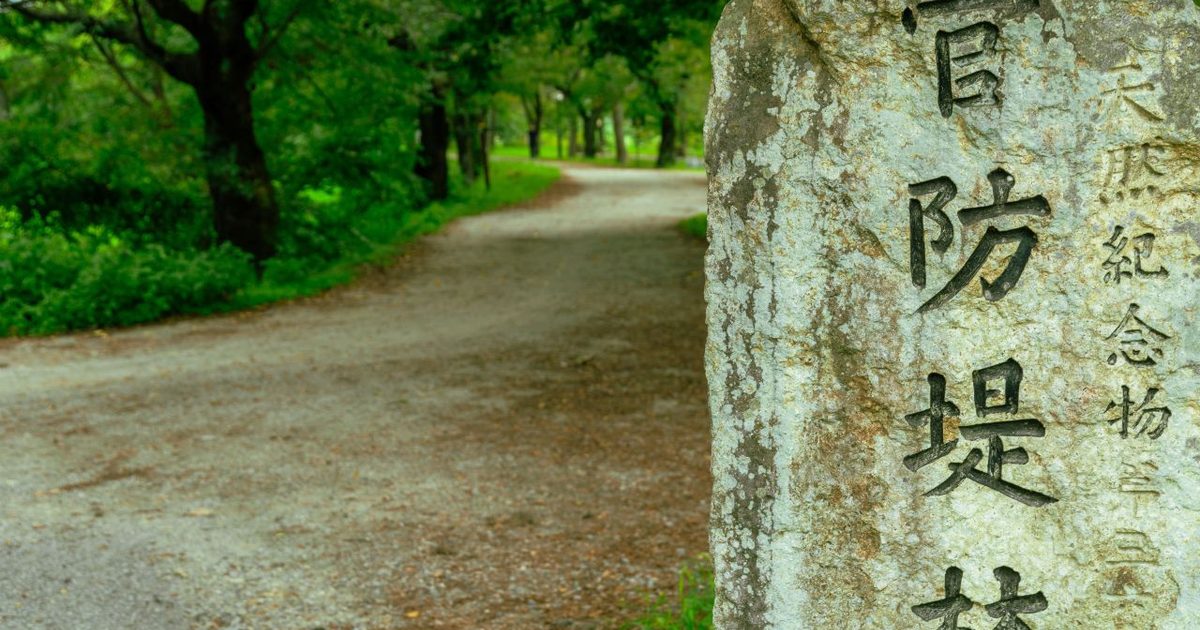
From the car park to the temple entrance is roughly a five-minute walk on foot — a short distance that feels quite special in summer. A valley stream runs alongside the path, and tall trees form a canopy that blocks direct sunlight, so a cool breeze accompanies you the whole way. Just below the Bangjae Bridge at the entrance, mountain air rises from the valley below; it is an ideal spot to pause and rest, either before heading up or after coming back down. Because the temple is enclosed by mountains and crossed by a stream, the grounds feel noticeably cooler than you might expect even in midsummer. Resting in the shade within the compound at midday is genuinely refreshing — comparable to any city cool-down spot.

What to See Inside the Grounds

Hwaeomsa is a large temple complex, and it is worth setting aside at least one hour to explore it at a relaxed pace. The section of stone steps leading up to Daeungjeon and Gakhwangjeon, where the crape myrtle groves stand, is the highlight in August. In the early morning, low-angled sunlight makes the flower colors even more vivid, and visitor numbers are smaller, allowing for an unhurried experience. Once you have made your way around the grounds, walking slowly back down the forest path while listening to the sound of the valley stream is a natural, fitting end to the visit.

Getting There and Practical Tips

Hwaeomsa is located in Gurye-gun, Jeollanam-do (South Jeolla Province). Arriving by car is the most convenient option. For those using public transport, buses run from Gurye-gu Station (KTX) or Gurye Bus Terminal to the temple. From the car park to the entrance gate is approximately a five-minute walk.
Entry to Hwaeomsa is currently free of charge. During the summer peak season, the car park can become congested from around 11 a.m. on weekends, so arriving early in the morning is advisable if possible. During the Baekjung prayer period, late-night access to the temple grounds may be offered; check the official Hwaeomsa channels for the operating schedule for the current year before your visit. If you plan to use the valley stream for wading or water activities, confirm separately with Gurye-gun or Jirisan National Park whether valley access is permitted during your intended dates, as restrictions apply within the national park.