Many visitors to Ganghwa Island skip Jeondeungsa, telling themselves they'll return when the autumn foliage peaks — only to find the car park completely overwhelmed by October. The sweet spot is actually the month before: September.
Why September in Particular
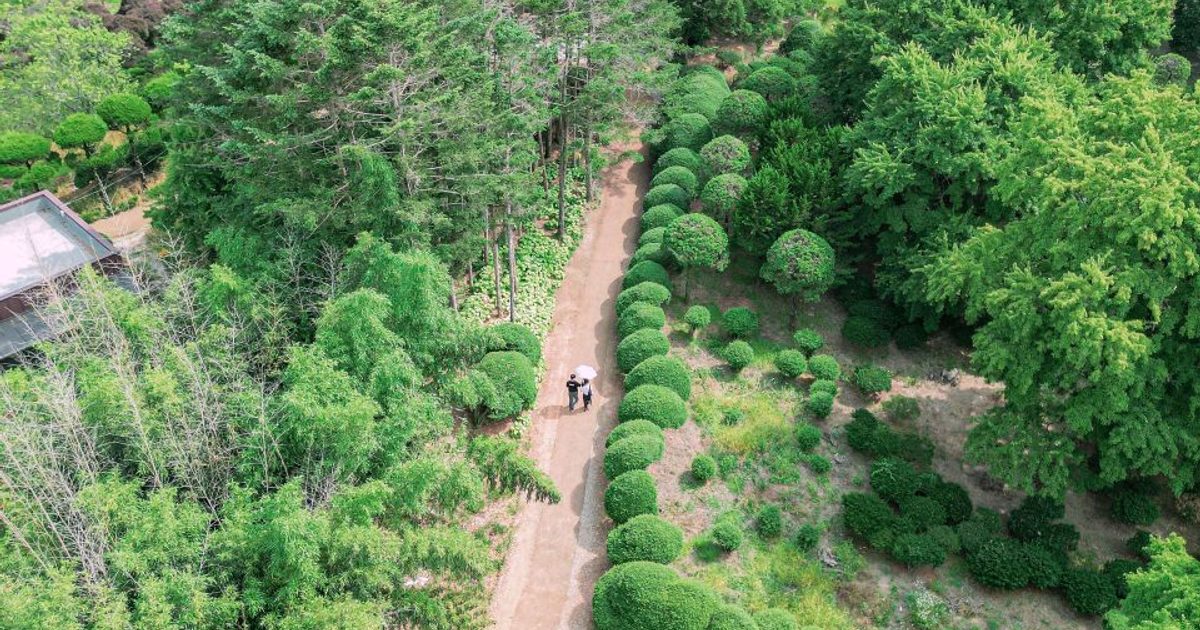
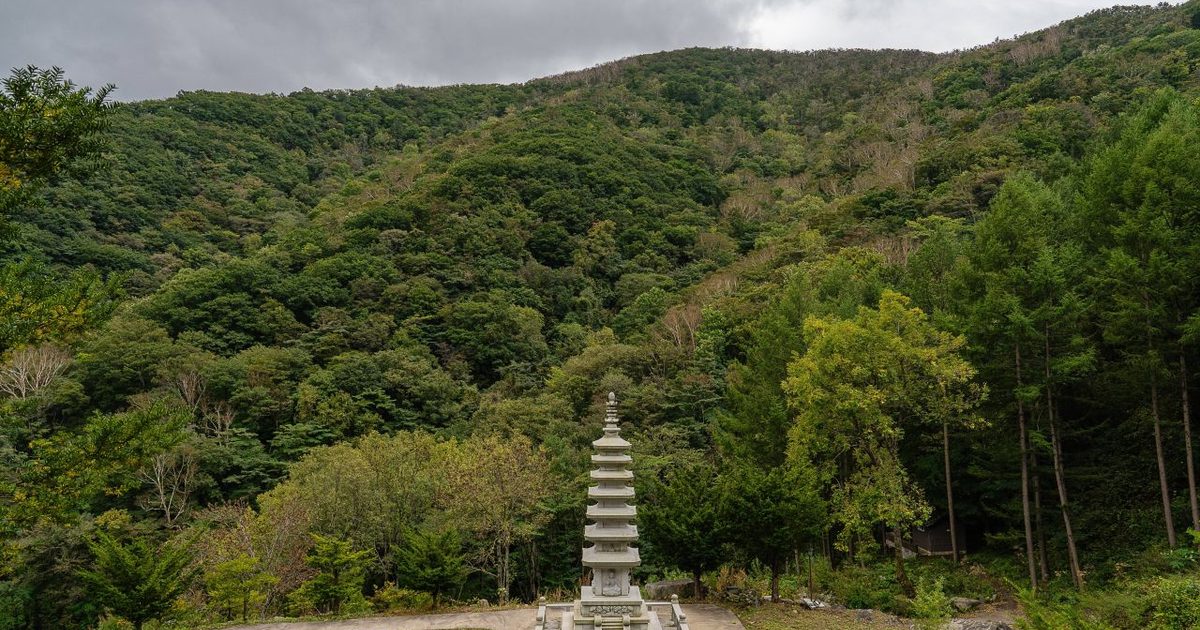
The foliage at Jeondeungsa is not yet at its peak in September, and that is precisely the point. The peak-season crowds have not yet arrived, so you can walk the forest paths at your own pace. The heavy, humid heat of midsummer has eased, making the entire walk comfortable. Moving through the shade cast by the forests of Jeongjoksan, it is easy to wonder why you ever felt you had to wait for the leaves to turn. Given how many visitors descend during foliage season, September is effectively the last chance to experience Jeondeungsa in genuine quiet.
The Two Ginkgo Trees at the Entrance — The 'Gender-Changing Trees' Story
Before you reach the main precinct, two trees on the approach path will stop you in your tracks. Both are officially designated as protected trees: one is said to be 700 years old and the other 350 years old. They are known respectively as the Noseung-namu (Old Monk Tree) and the Dongja-seung-namu, or Dongseung-namu (Novice Monk Tree). Ancient trees at the entrance to old temples are not unusual in Korea, but these two carry a particularly compelling story.

In the late Joseon period, Jeondeungsa was reportedly required to supply ten sacks of ginkgo nuts as tribute each year — a quantity the temple could barely meet even in a good harvest. Around that same era, according to local tradition, the two ginkgo trees changed sex: one shifted from female to male, or vice versa. Because of this, they are still referred to by the nickname 'gender-changing trees.' There is no way to verify the account, but standing in front of trees that are centuries old and turning the story over in your mind, you find yourself looking at them far longer than you expected. Many visitors make a point of coming specifically to see these trees during the autumn colour season; meeting them in September, before the rush, is a worthwhile alternative.
What to Do Inside the Precinct
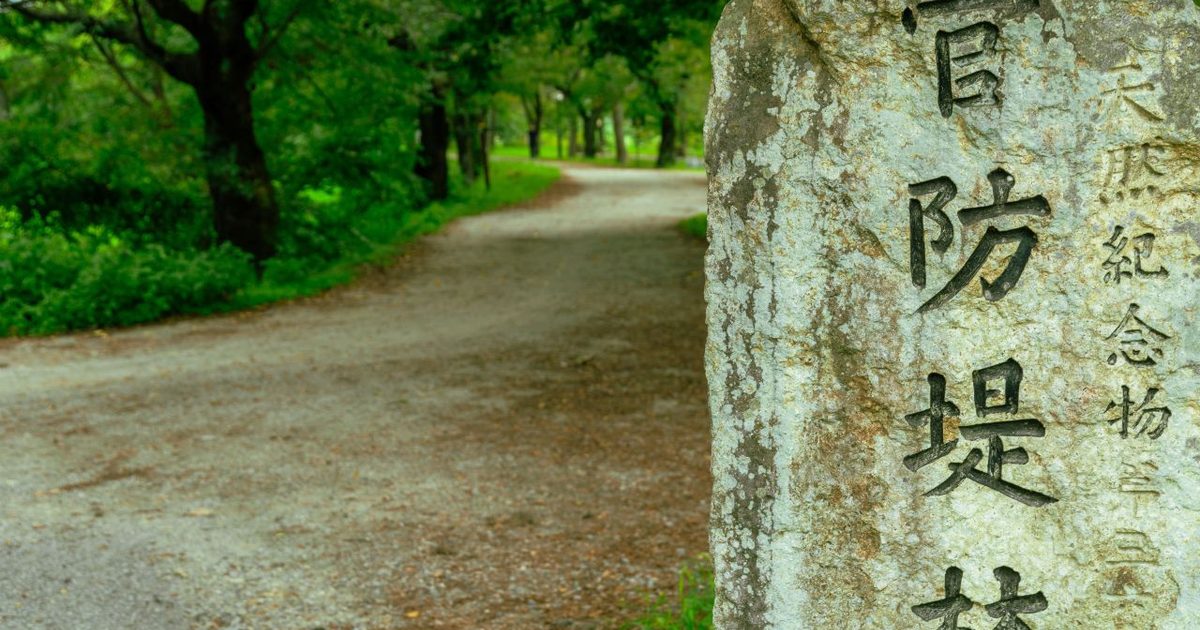
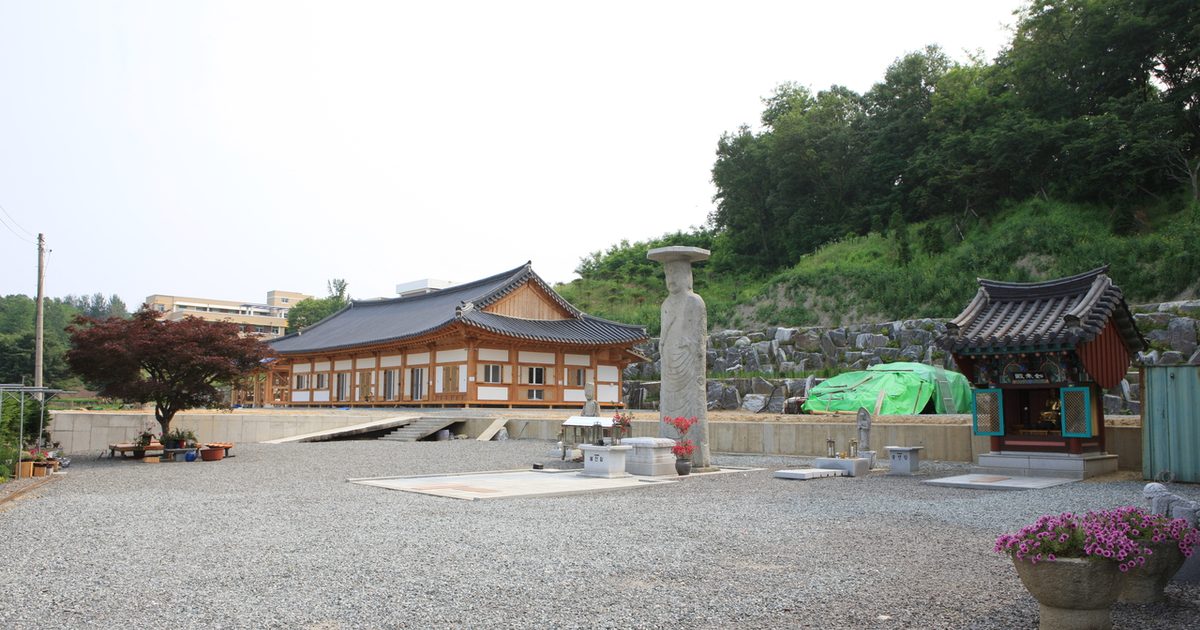
The precinct at Jeondeungsa is compact but substantial. Taking in Daeungjeon (the main hall) and the surrounding shrine buildings at a relaxed pace takes roughly an hour, though simply walking the grounds is a valid purpose in itself. The forest path that runs from the east or south gate of Jeongjogsanseong Fortress down to the precinct is gently graded, making it manageable for children and older visitors alike. As a working Buddhist temple, the atmosphere inside is kept quietly reverent, so keeping your voice low and moving without hurry is appreciated. Temple-stay programmes are also available; if you are interested, check schedules and booking details on the official website at jeondeungsa.org before you visit.
Getting There and On-the-Ground Tips
From Ganghwa Bus Terminal, take a bus toward Jeondeungsa. By car from Seoul the journey takes approximately one hour to one hour and thirty minutes. There are two car parks — one at the south gate and one at the east gate — and vehicles can drive as far as the ticket gate from the east gate car park. Parking fees and admission prices can change by season, so confirm the latest information on the official website or by phone (0507-1403-0125) before you go.
On September weekends, early morning is noticeably quieter. Visitor numbers tend to build after midday, so arriving in the morning gives you a noticeably more relaxed experience. There are small cafés and snack stalls near the temple entrance — a convenient place to sit down and rest after your walk.