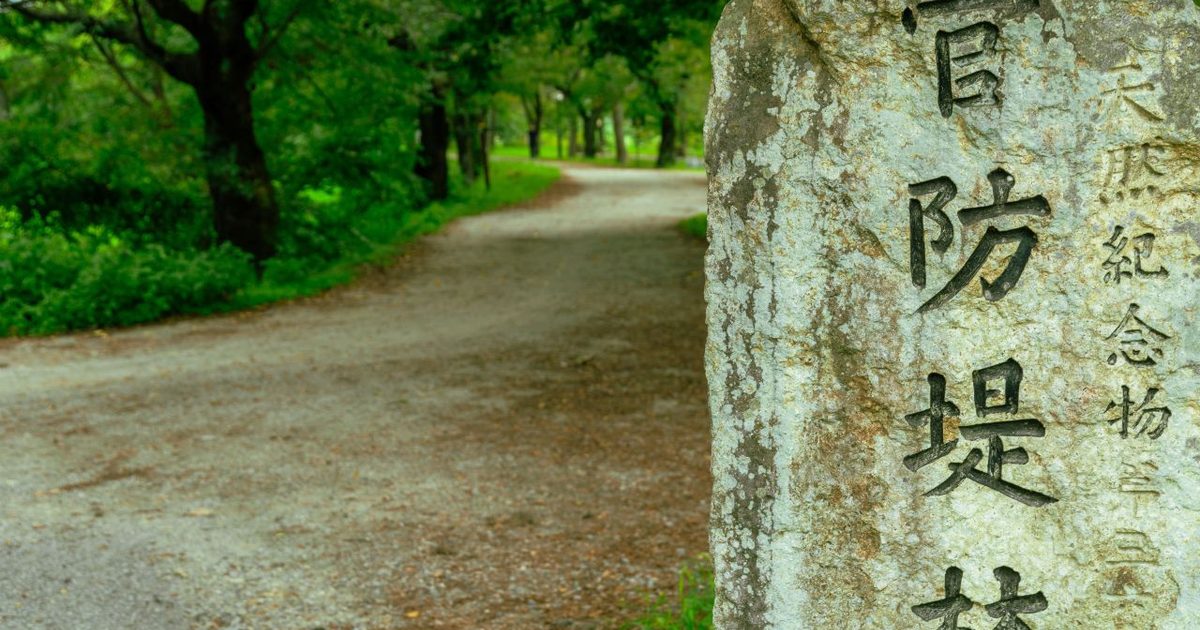
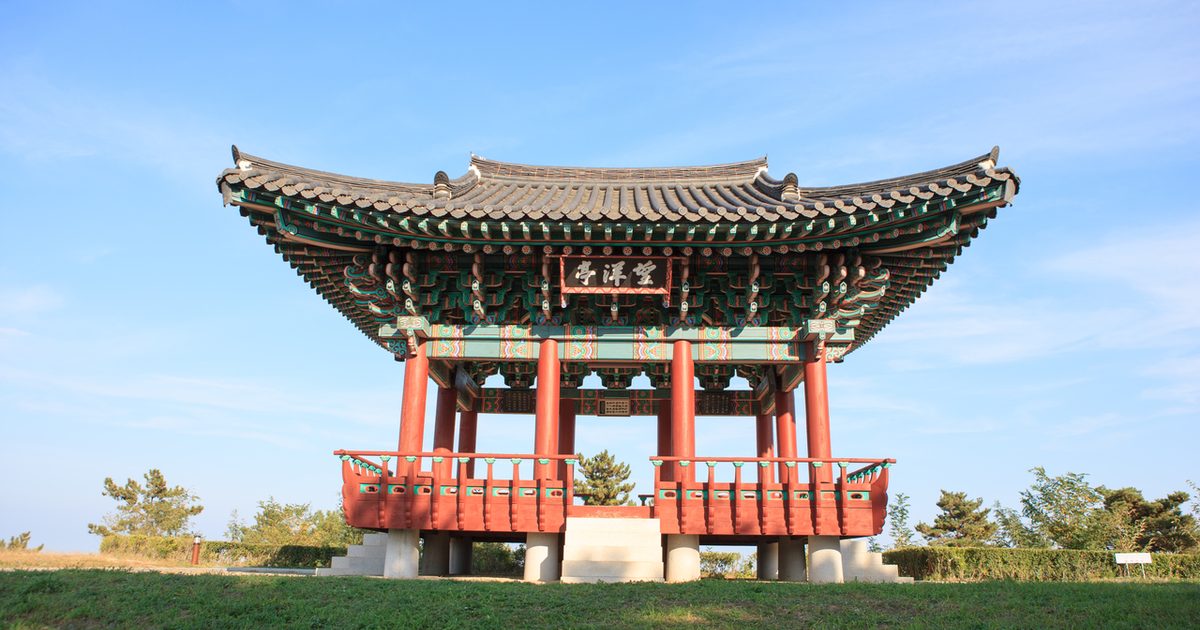
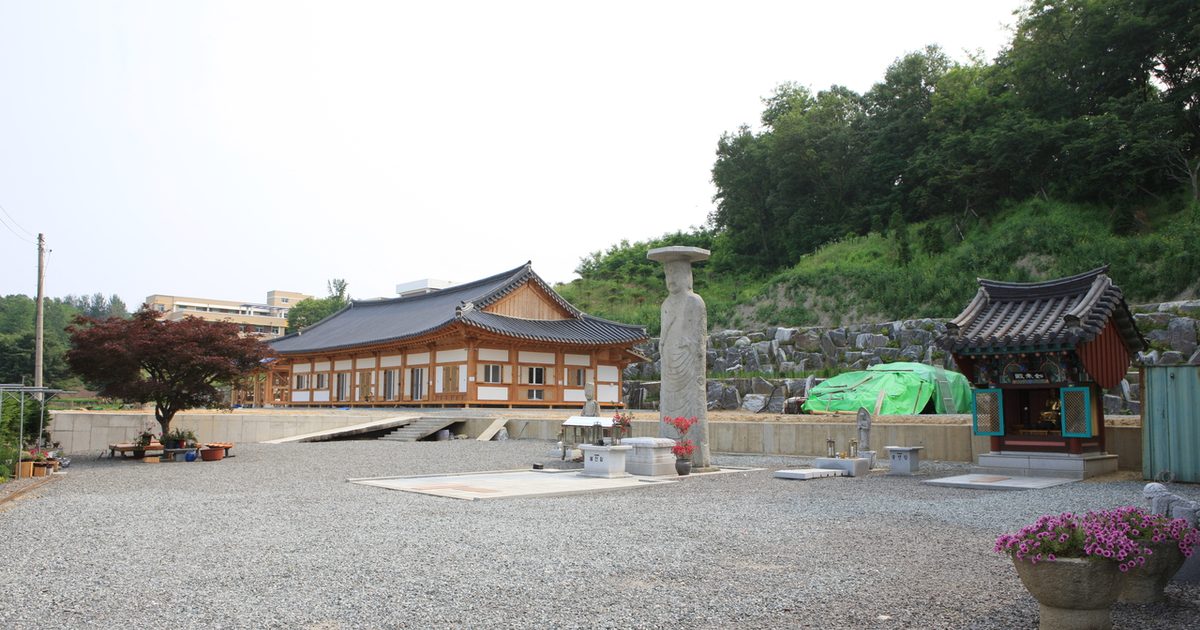
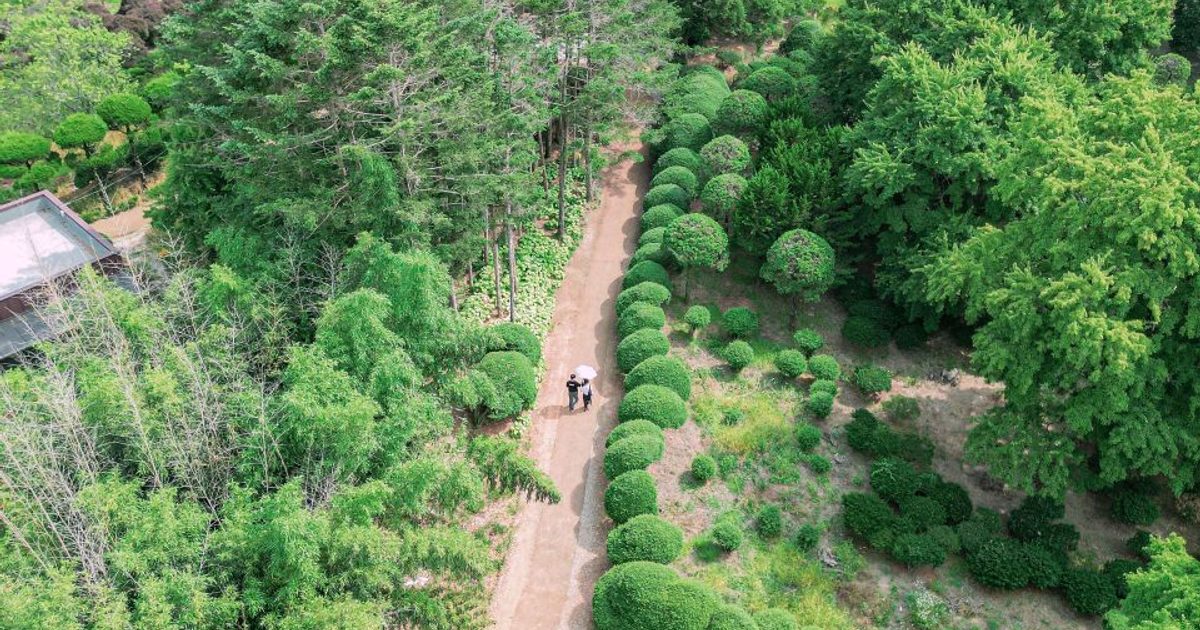
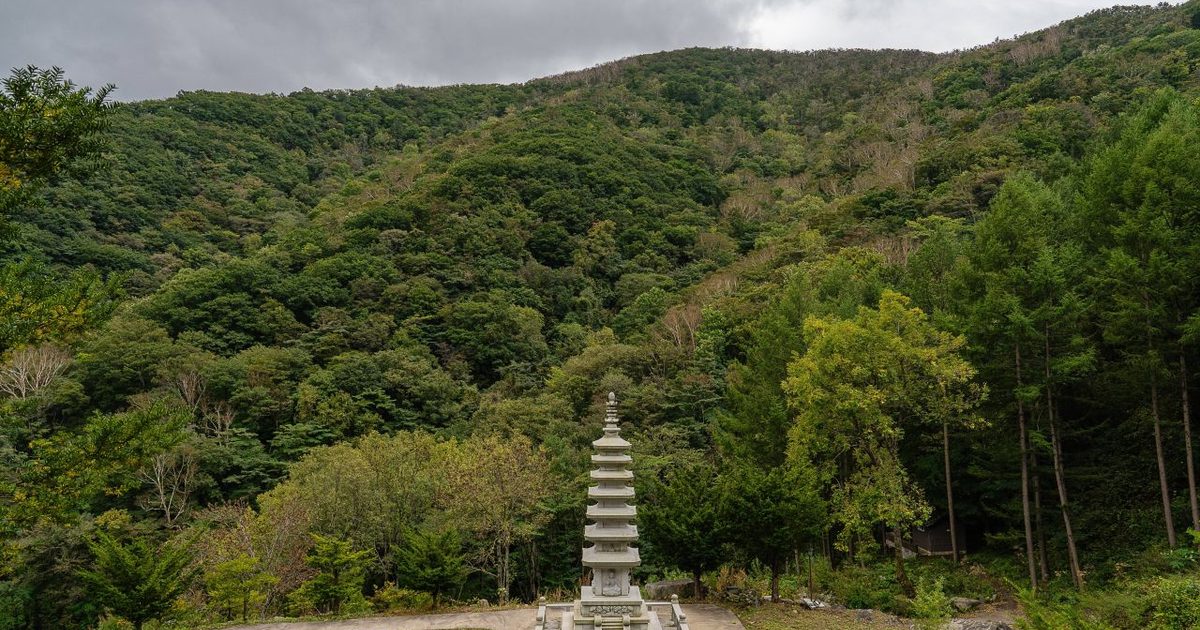
By day, traditional tiled rooftops and ancient trees; by night, a space where the boundary between the living and the dead blurs. That is Korean Folk Village in September. The summer late-night horror season wraps up in early September, and within less than a week a brand-new autumn horror festival takes its place. Time your visit right and you can catch the sharpest contrast between the two seasonal moods.

Why September — How the Season Shapes the Atmosphere

With the fierce summer heat easing off and cool breezes arriving in the mornings and evenings, September is one of the most comfortable months for a long outdoor walk. The trees are still fully green, but the air turns clear — making the views of traditional hanok houses and old-growth trees unusually crisp. Visitor numbers, which dip in the hottest weeks, begin to pick up again as autumn approaches. If you prefer a quieter experience, a weekday before mid-September — before the festival hits full swing — is worth considering.
The Main Event — Gwisinsaba Gwisinollyi 2026

From Saturday, 12 September 2026 to Sunday, 15 November 2026, Korean Folk Village hosts its autumn horror festival, **Gwisinsaba Gwisinollyi 2026** (귀신사바 귀신놀이 2026). Built around the concept of autumn nights when the line between this world and the next grows thin, the festival was teased with a COMING SOON announcement on the official Instagram account (@koreanfolkvillage) ahead of the 12 September opening. For details on specific programmes and how they run, check the official website at koreanfolk.co.kr or call 031-288-0000.

Other Experiences Running Alongside the Festival

Three additional programmes — all launched earlier in April — continue through 15 November 2026 alongside Gwisinsaba Gwisinollyi. **Salgwiok** (살귀옥) is a horror experience centred on a ghost attack in the dark. **Hyeoransikgwi** (혈안식귀) is a separate horror experience with an unsettling atmosphere. **Joseon Salin Susa** (조선살인수사) is a mystery-detective programme in which you take on the role of an amhaeng-eosa (royal secret inspector) and piece together the truth behind a case. If horror is not for you, Joseon Salin Susa alone is a perfectly valid — and potentially more enjoyable — choice for anyone who likes puzzles and detective storytelling.
What to Check Before You Visit

Admission prices vary across blogs and third-party sites, so always verify the current rates directly on the official website (koreanfolk.co.kr) before you go. Evening operating hours also change depending on the season and the day of the week; if you are planning a night visit specifically for the autumn horror programmes, confirm the schedule for your chosen date on the website in advance. The venue occasionally runs monthly discount events as well, so checking the notice board on the site ahead of time can help you save.

Getting There

Korean Folk Village is located in Yongin, Gyeonggi-do. By public transport, the standard approach is to take a bus from Suwon Station or Sadang Station. If you are driving, on-site parking is available, though congestion is likely on weekends and during the festival period — public transport is worth considering first. Full, up-to-date transport information is on the official website.
In September, Korean Folk Village is more than a look at a traditional village. The rare timing — a season change that coincides almost exactly with the start of a new horror festival — is what makes a visit this month distinct. If you are ready for a chill on an autumn night, plan your trip for after 12 September.