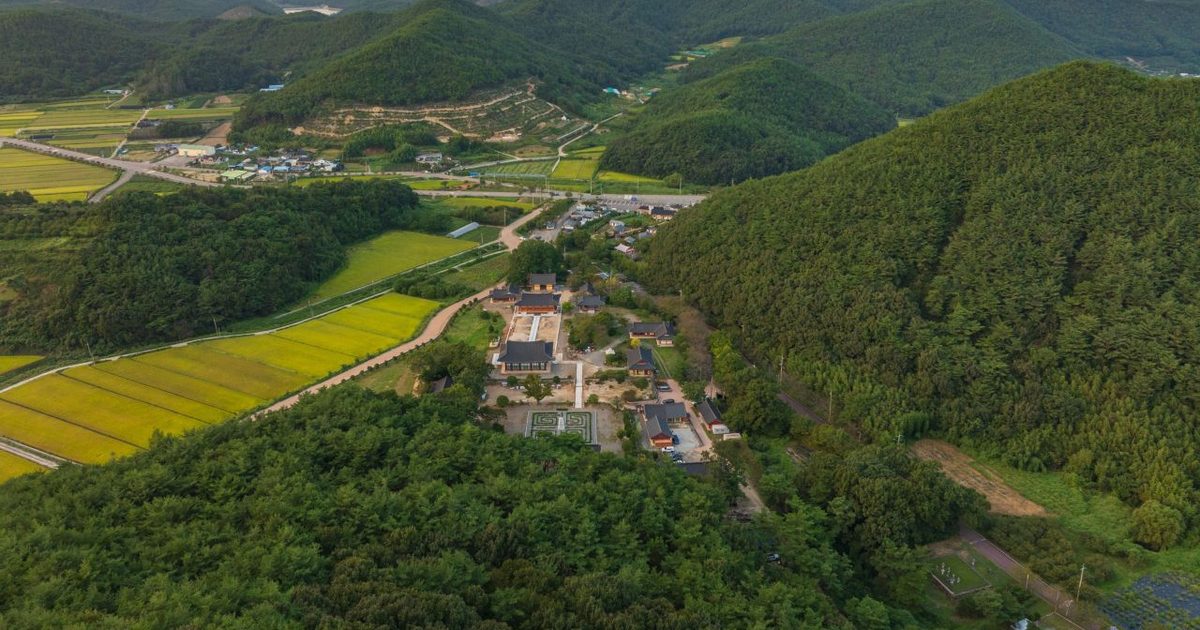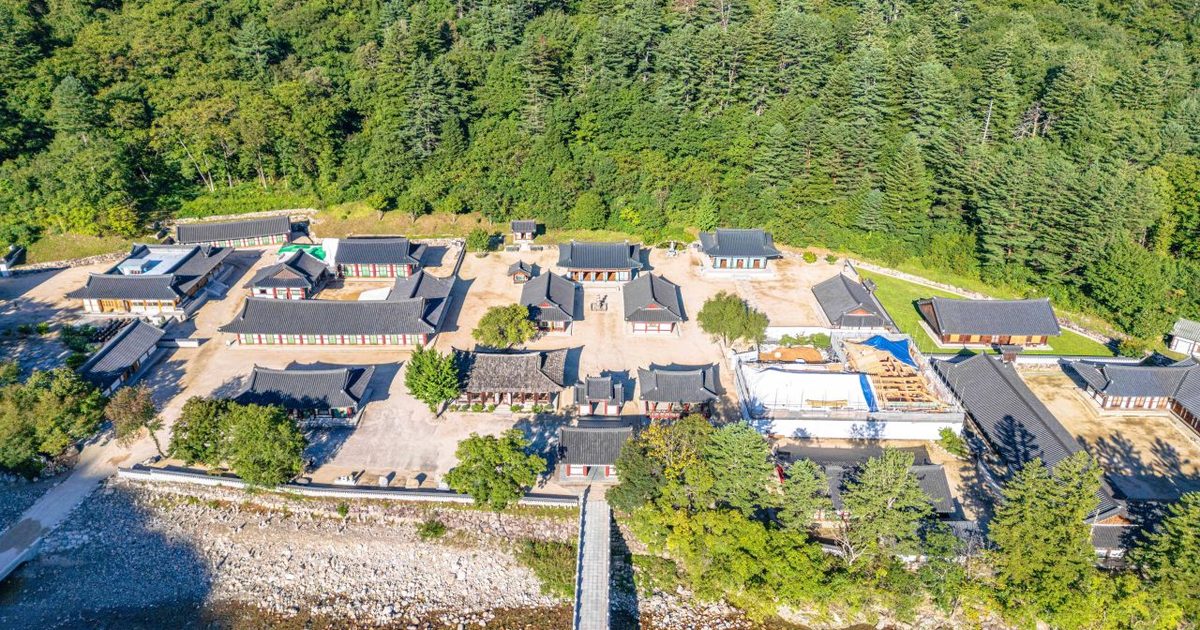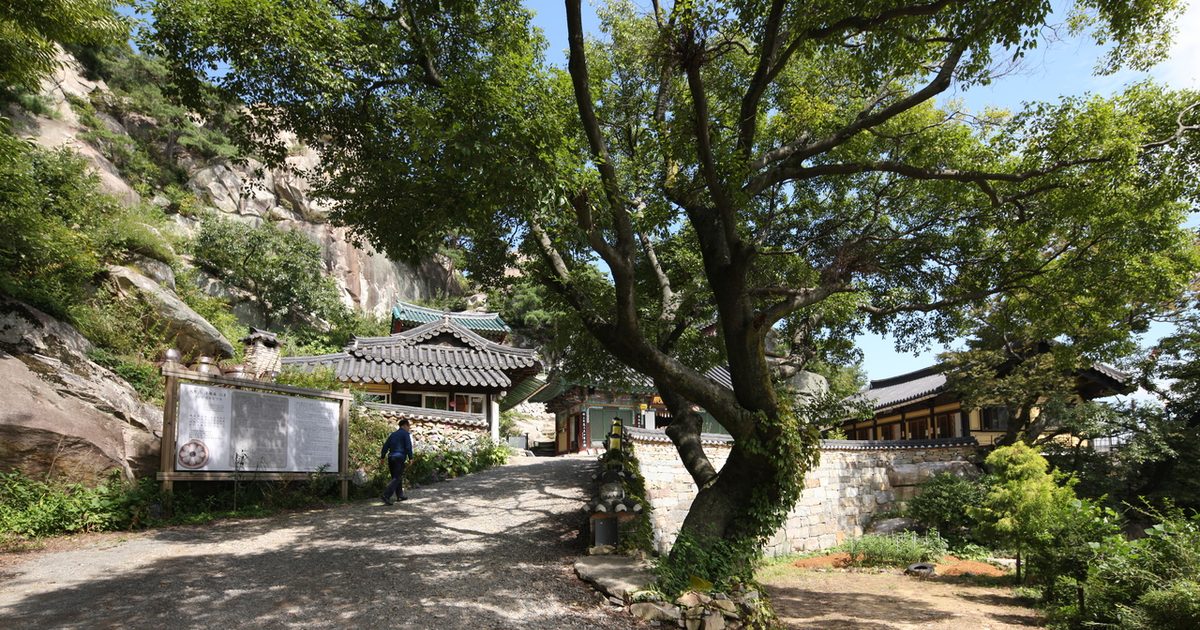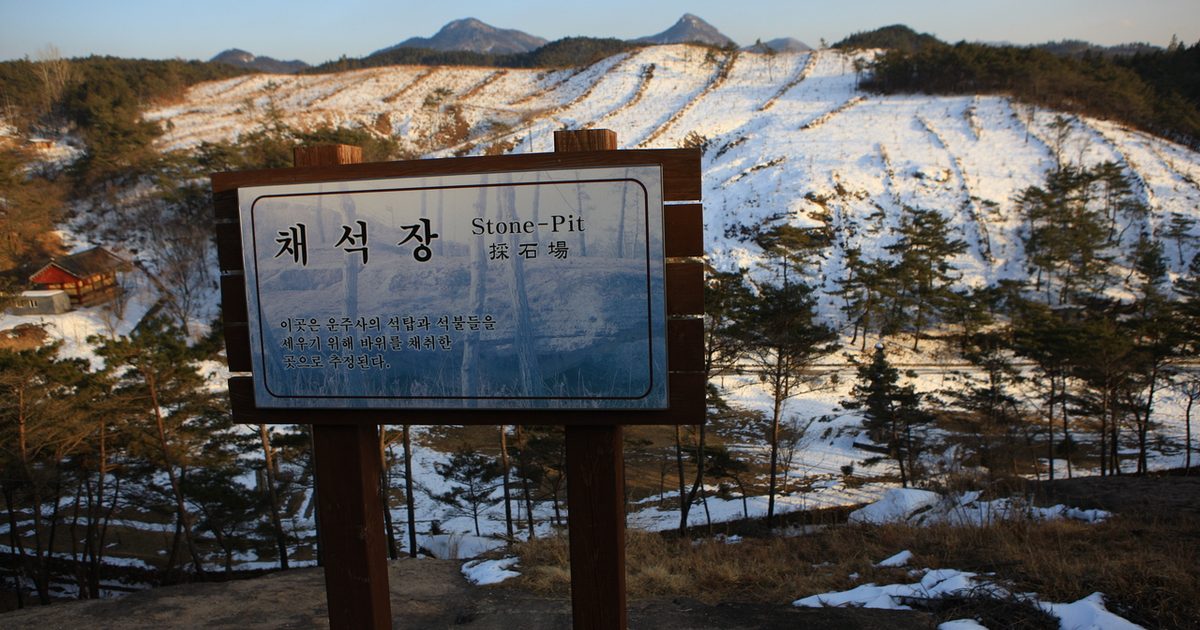
Nestled on the slopes of Cheonbulsan in Doam-myeon, Hwasun-gun, South Jeolla Province, Unjusa Temple occupies a singular place among Korean Buddhist sites. It is not known for grand scale or ornate decoration—quite the opposite. Rows of stone Buddhas and pagodas of varying sizes stand beneath dense forest canopy, a sight that feels unfamiliar on a first visit and leaves a deeper impression on every return.
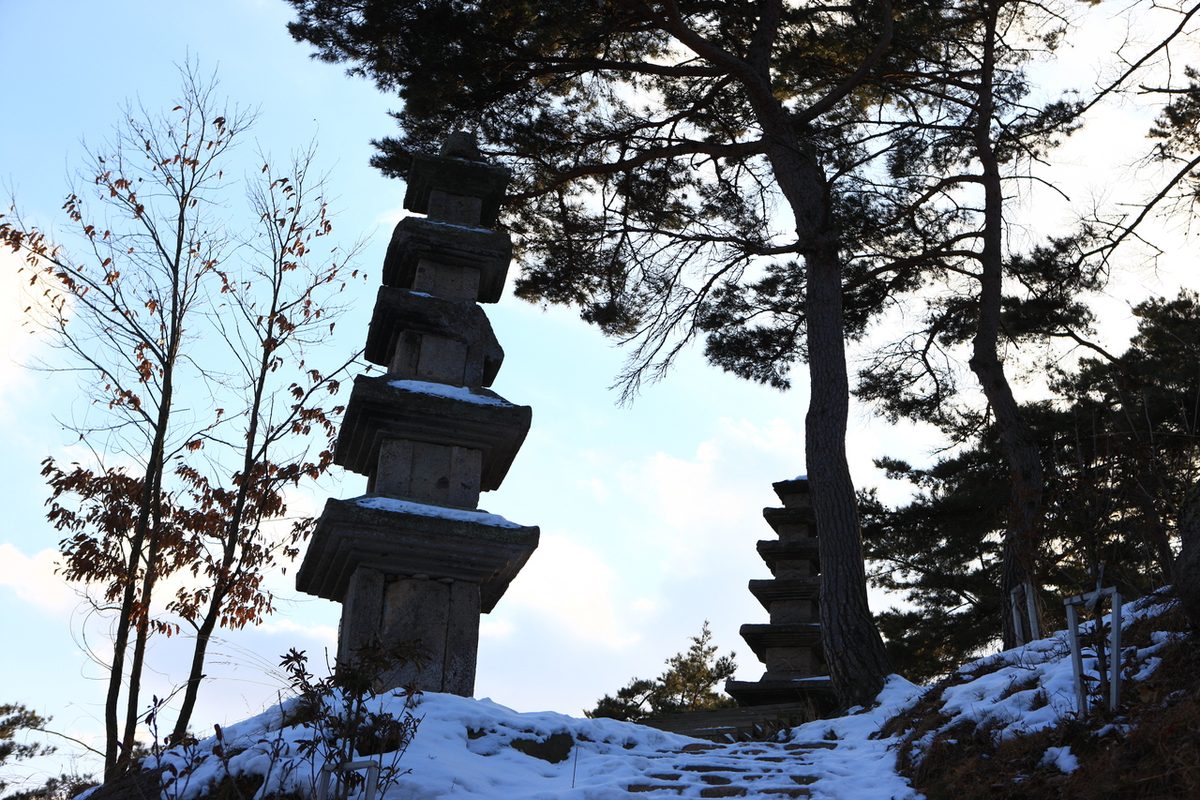
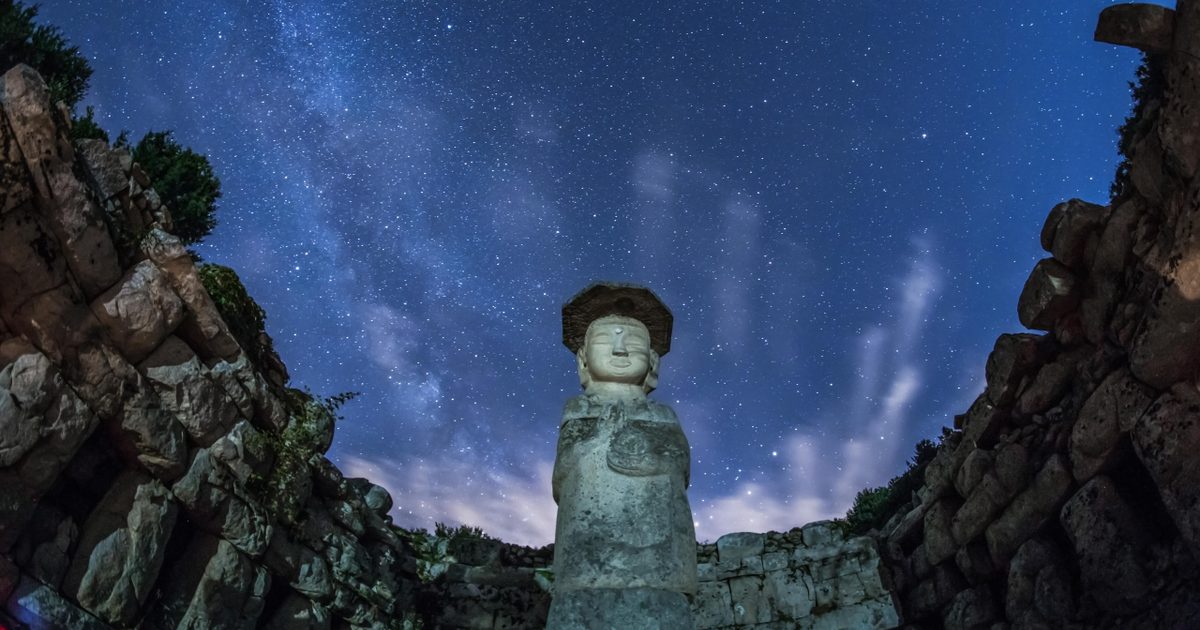
Designated Historic Site No. 312, the temple precinct currently preserves 21 stone pagodas and 93 stone Buddha figures. Scholars date their creation to around the 12th century, during the mid-Goryeo period, understanding them as the accumulated work of many generations rather than a single construction effort. Records of the Buddhas and pagodas here also appear in the Joseon-era geographical compendium *Sinjeung Dongguk Yeoji Seungnam*, under the entry for Neungseong-hyeon, confirming that their history is grounded in documented fact, not legend alone.
Why August — Mist and Stillness
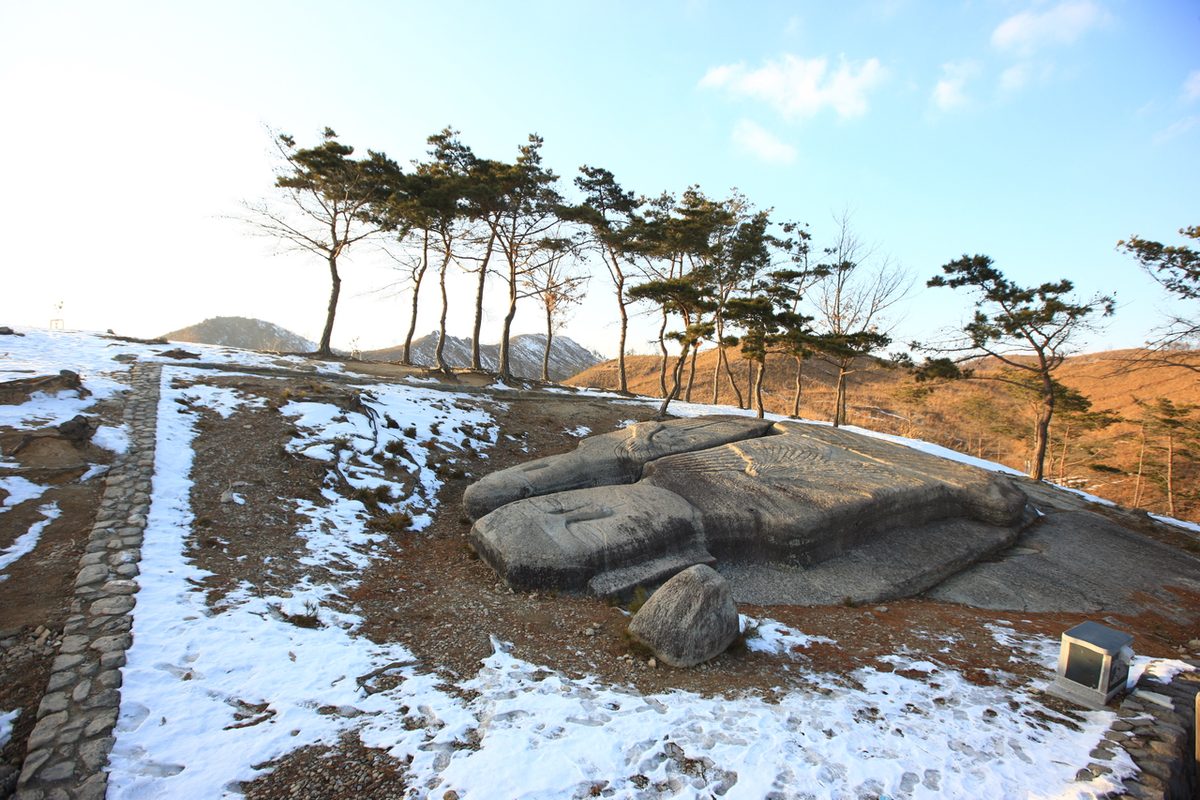
Unjusa's particular charm in summer belongs to the early morning, not the midday hours. Throughout August, morning mist frequently settles over the inland mountain temples of South Chungcheong and South Jeolla provinces between dawn and mid-morning. Because Unjusa sits on a hillside beside a valley stream, a soft water mist often lingers in the lower forest of the precinct even on clear days. The silhouettes of the stone Buddhas seen through that mist carry a mood entirely different from their daytime appearance. Arriving before 9 a.m., before tour groups arrive, makes it possible to walk the grounds almost alone.
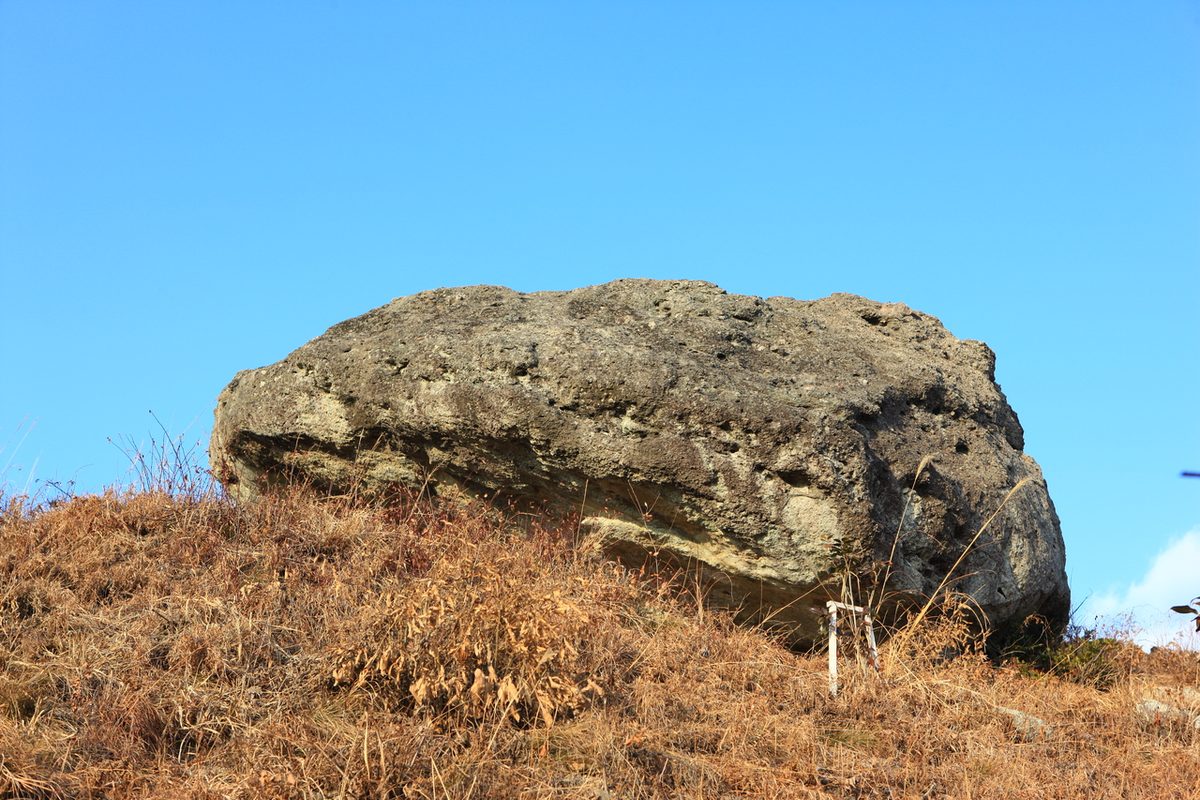
What to See and How to Walk
The natural route follows the forest path from the Iljumun gate to Daeungjeon, the main hall. Stone Buddhas of every different face line both sides of the path—not refined or elaborate in style, but plain and unpolished in expression. That unpolished quality is central to Unjusa's identity.
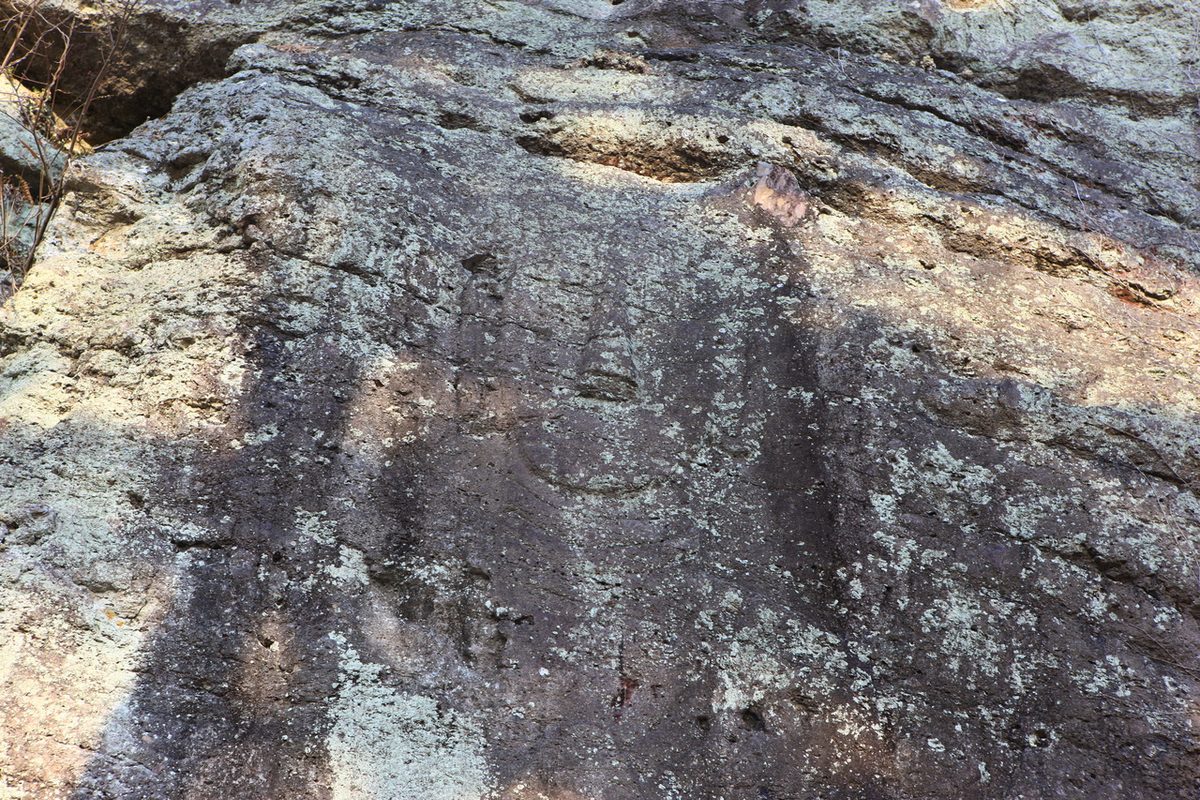
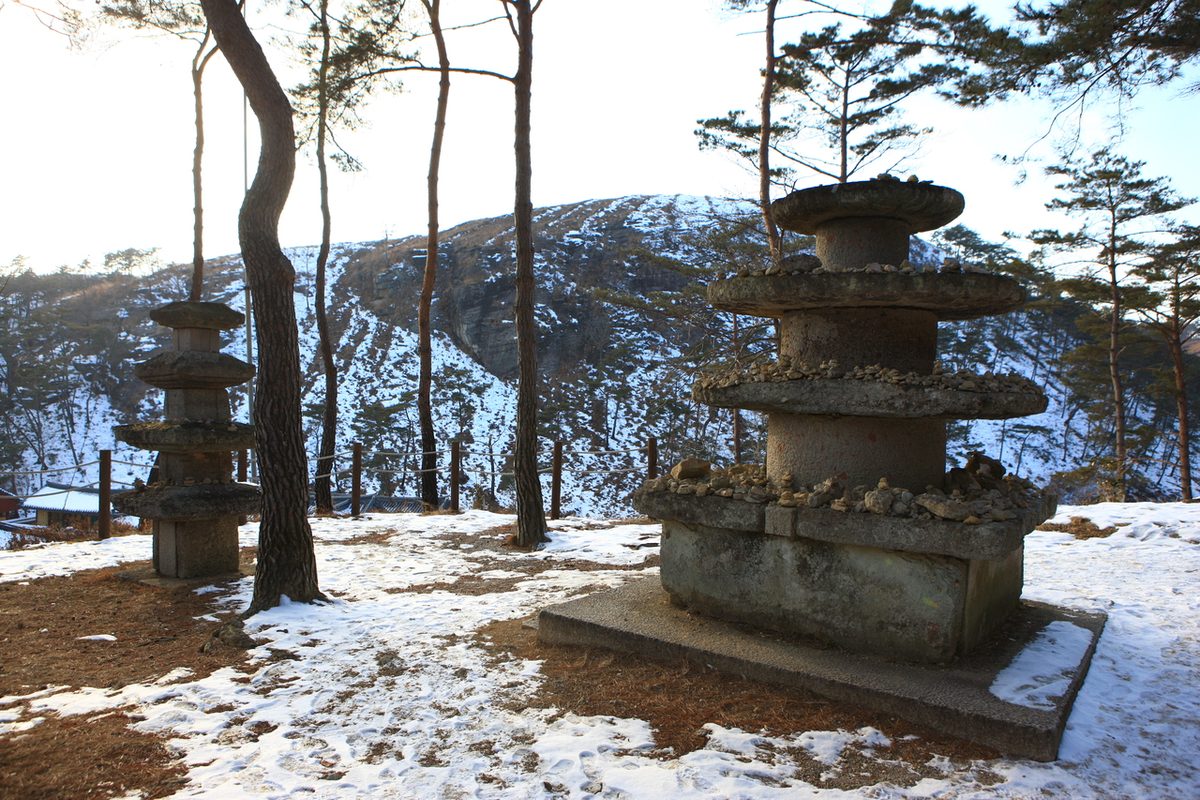
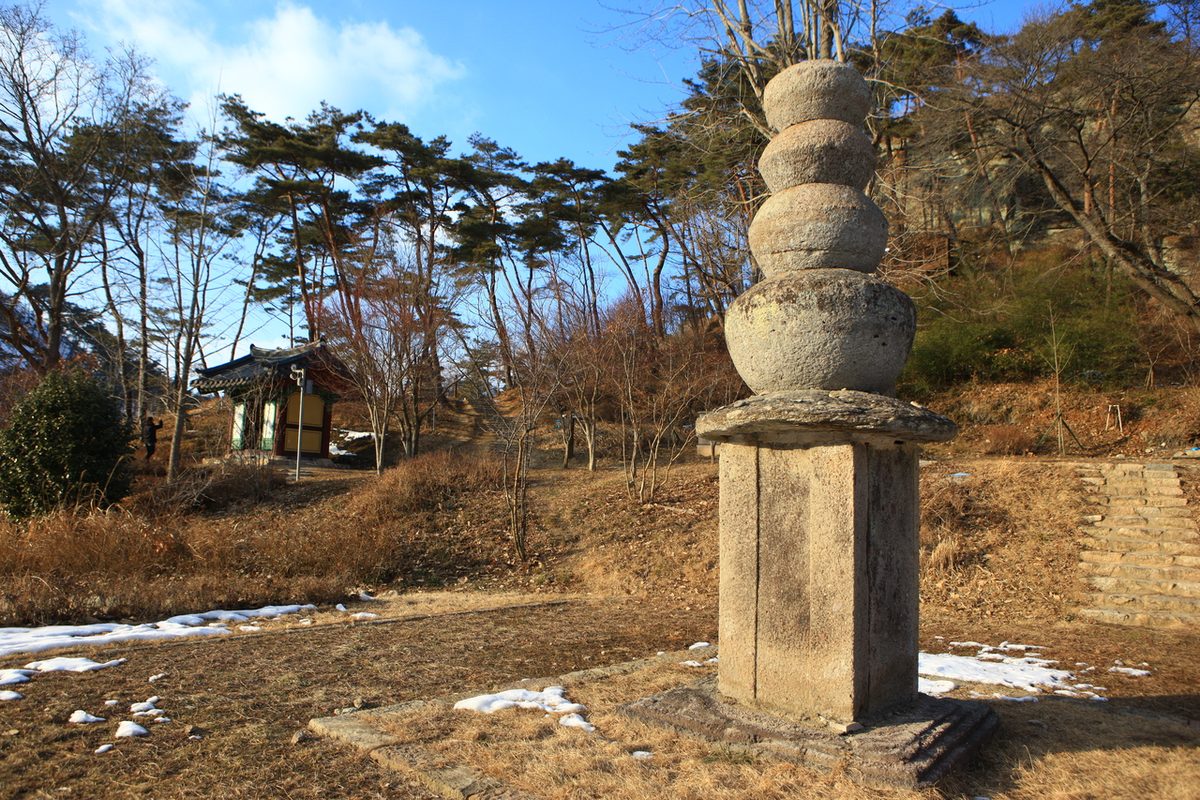
Deeper within the precinct stand several nationally designated treasures. The Nine-story Stone Pagoda (Treasure No. 796), the Stone Buddha Shrine (Treasure No. 797), and the Round Multi-story Stone Pagoda (Treasure No. 798) are each notable for forms that diverge from conventional Korean pagoda styles. The round multi-story pagoda in particular is a cylindrical type rarely seen elsewhere in the country—worth reading about briefly before your visit so it stands out when you reach it.
Continuing past Daeungjeon and climbing the stone-stepped path leads to the site's most celebrated feature: the reclining Buddhas. Near the summit, two stone Buddha figures lie on their backs gazing upward. Their official name is the Hwasun Unjusa Waehyeong Seokjo Yeorae Bul (Reclining Stone Shakyamuni Buddhas of Unjusa, Hwasun). The spot also opens onto a view across the temple valley below. Walking the full circuit from the precinct entrance to the reclining Buddhas and back takes about one hour at a relaxed pace.
Getting There
By car, enter 운주사 (Unjusa) into any Korean navigation app. From Gwangju, the drive via Hwasun takes roughly one hour. Public buses run from Hwasun-eup to the temple, but frequency and intervals are limited—check the timetable before you set out.
Visitor Tips
After midday in midsummer the sun is strong and the walk up to the reclining Buddhas is physically demanding. An early morning start is strongly recommended. One option worth considering is to reverse the usual direction: hike up to the reclining Buddhas first, then descend toward Daeungjeon. The descent gives a broader view across the whole precinct and lets you see the stone Buddhas and pagodas from a different angle. Wear trainers or hiking shoes—there are stone stairways and some uneven ground within the precinct.