Why September — Upo Wetland's Singular Season
September at Upo Wetland (우포늪) is the overlap between summer's end and autumn's beginning. Covering a total area of 2,505,000 m², Korea's largest natural inland wetland is impressive in scale at any time of year, but September brings something you cannot see in any other month.
Across the water's surface, aquatic plants — cattail, calamus, common reed, Japanese water iris, Chinese water chestnut, hornwort, and arrowhead — grow in dense masses, forming a vast green carpet. Where gaps in the vegetation open up, the sky and clouds reflect perfectly in the still water, creating two skies stacked one above the other. A single waterbird crossing the frame completes the picture.
The star of the season is the prickly water lily (가시연꽃), a rare species listed as an endangered plant in Korea. It continues to bloom through September, making it the defining flower of Upo's late-summer face. Leaves up to around 20 centimetres in diameter lie flat on the water, and between them violet flowers push up toward the light — a sight that belongs entirely to this season. By October the leaves wither and the flowers are gone. If you want to see the prickly water lily, plan your visit before September ends.
The reeds are still green but have already begun to sway in the breeze. Their peak comes later in the autumn, but September reeds carry the last warmth of summer in a colour somewhere between green and gold.
What to See and Where to Walk
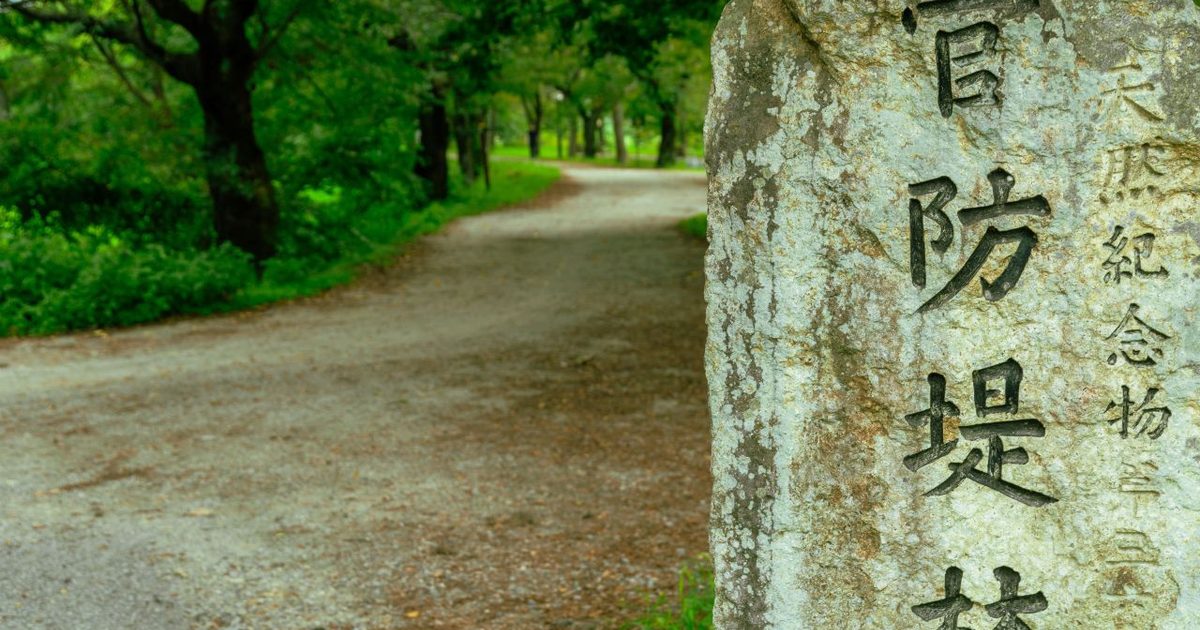
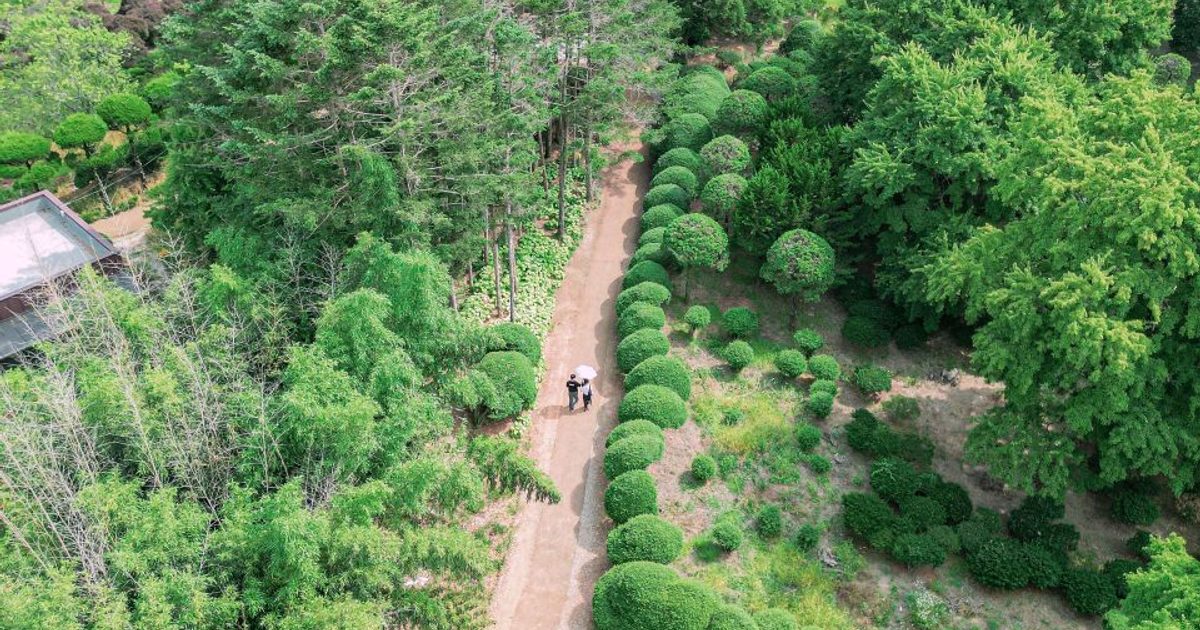
Most visitors start from the area near Upo Wetland Eco-Center (우포늪 생태관). From there, the trail leads in sequence past several wetland zones — Upo, Topyeongcheon, Sajipo, Mokpo, and Jjokjibŏl — each with its own character. The trails are well maintained and manageable in ordinary trainers. Depending on the section, routes split into cycling paths and forest trails; if you want to get close to the aquatic plants, choose the waterside trail.

Before you visit, it is worth calling the Upo Wetland Information Center (055-530-1471) to check which sections are open that day, current entry fees, and any other up-to-date information, as access can be restricted depending on conditions on the ground.
Getting There
Driving is the most convenient option. Exit the Jungbu Naeryuk Expressway at Changnyeong IC, turn right toward 'Upo Wetland / Hapcheon,' and follow Uponŭp-gil to the wetland. From Seoul, you can take an intercity bus from Seoul Nambu Terminal to Changnyeong; from Changnyeong town centre, a taxi or rental car is the practical way to reach Upo Wetland.
Things to Know Before You Go
The earlier in the morning you arrive, the better. On days when the temperature gap between night and day widens — more likely in late September — a thin mist drifts across the water's surface at sunrise. Water mist is generally considered to peak between October and November, so it is not guaranteed in September, but on a clear, cool morning it is well worth hoping for.
Weekday mornings are noticeably quieter than weekend afternoons, when the waterside trails can become crowded. Early weekday visits are also easier for photography. Some sections of the trail can be slippery after rain, so check the forecast before you set out.
For accommodation, options near the wetland include Upo Eco-Village Youth Hostel (우포생태촌유스호스텔; 055-532-5500) and Upo Wetland Sweet Persimmon Park (우포늪 단감공원; 010-3824-0508). Note that contact details may change, so confirm before your visit. Heading toward Bugok, which is well known for its hot-spring resorts, opens up a wider range of places to stay.