A single turn off the lanes around Gyesan Cathedral, just steps from the noise of Dongseongno, and a weathered wooden gate appears. Step through it and the pace of the city simply changes. An aged timber building, a compact courtyard, October sunlight falling across old roof tiles — this is the Yi Sang-hwa Historic House (이상화 고택).
Why October in Particular
Daegu's Modern Alley district turns up on travel blogs and social media every autumn without fail. When autumn color settles over Cheongnang-eok (청라언덕), the March First Independence Movement Road (3.1만세운동길), and the lanes around Gyesan Cathedral, the area quietly fills with visitors. The Yi Sang-hwa Historic House sits within that same seasonal current. When the persimmon tree in the courtyard takes on its autumn hues, the stillness particular to old houses amplifies the mood of the season. No official peak-foliage date can be pinpointed, but the unusually high volume of visitor accounts from mid- to late October tells its own story.
What Makes This House Distinctive — A Space Saved by Its Citizens
The Yi Sang-hwa Historic House is more than a designated cultural asset. In 1999 it faced demolition as part of an urban redevelopment project in central Daegu, and it survived only because of a citizen preservation campaign. In February 2002, Professor Yi Sang-gyu of Kyungpook National University led the formation of the "Committee for the Preservation of National Poet Sang-hwa's Historic House," and a nationwide petition drive collected one million signatures. Then, on October 27, 2005, the Korea Armed Forces Mutual Aid Association — which had acquired the property in connection with a mixed-use development nearby — formally donated the house to the City of Daegu, securing its preservation in its current form. The city subsequently carried out restoration work, and exhibition materials were installed using funds raised by the Historic House Preservation Citizens' Movement. The fact that this space remains open today is not the outcome of any single institution's decision; it is the accumulated result of countless signatures and donations. Knowing that history before you walk in makes the courtyard and the wooden pillars read differently.
Better as Part of an Alley Route
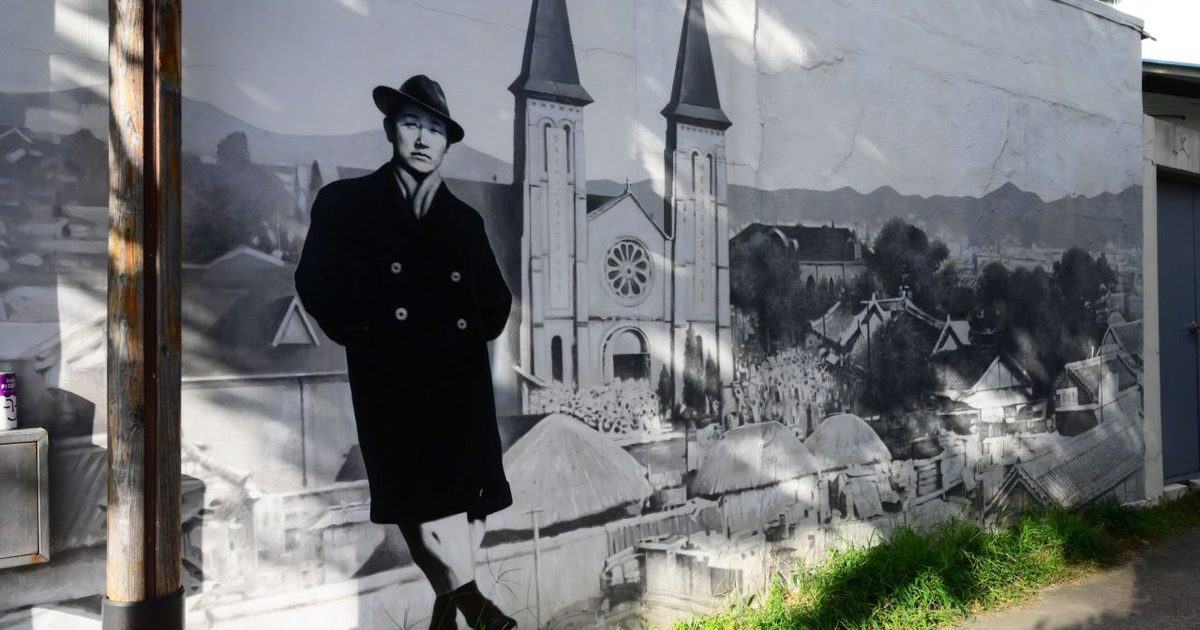
Leaving after seeing only the house would mean missing a remarkably rich surrounding area. Gyesan Cathedral, Gyeongsang Gamyeong Park (경상감영공원), the March First Independence Movement Road, the Seo Sang-don Historic House (서상돈 고택), and the Heeoom Japanese Military Comfort Women History Museum (희움 일본군 위안부 역사관) are all within walking distance. Add Cheongnang-eok and the whole circuit comes together as a comfortable half-day itinerary — a walk through modern Korean history along alleys that feel at once familiar and quietly foreign, which is precisely the atmosphere of central Daegu in October.
Getting There and Practical Information
The most convenient approach is to exit Jungang-ro Station on Daegu Metro Line 1 and walk from there. The address is given as 6-1 Soseong-ro, Jung-gu, Daegu (Gyesan-dong), though listings vary by platform — searching "이상화 고택" (Yi Sang-hwa Historic House) for directions is the safer approach. Opening time is reported as 10:00 a.m.; the closing time has not been confirmed through official sources, so contacting Daegu Jung-gu District Office or the relevant heritage management office before your visit is advisable to avoid a wasted trip. Multiple travel accounts describe free admission, but this is also worth verifying in advance. Weekday afternoons are quieter than weekend mornings; if you want to walk the full alley route at a leisurely pace, arriving right at the 10:00 a.m. opening is the best strategy.