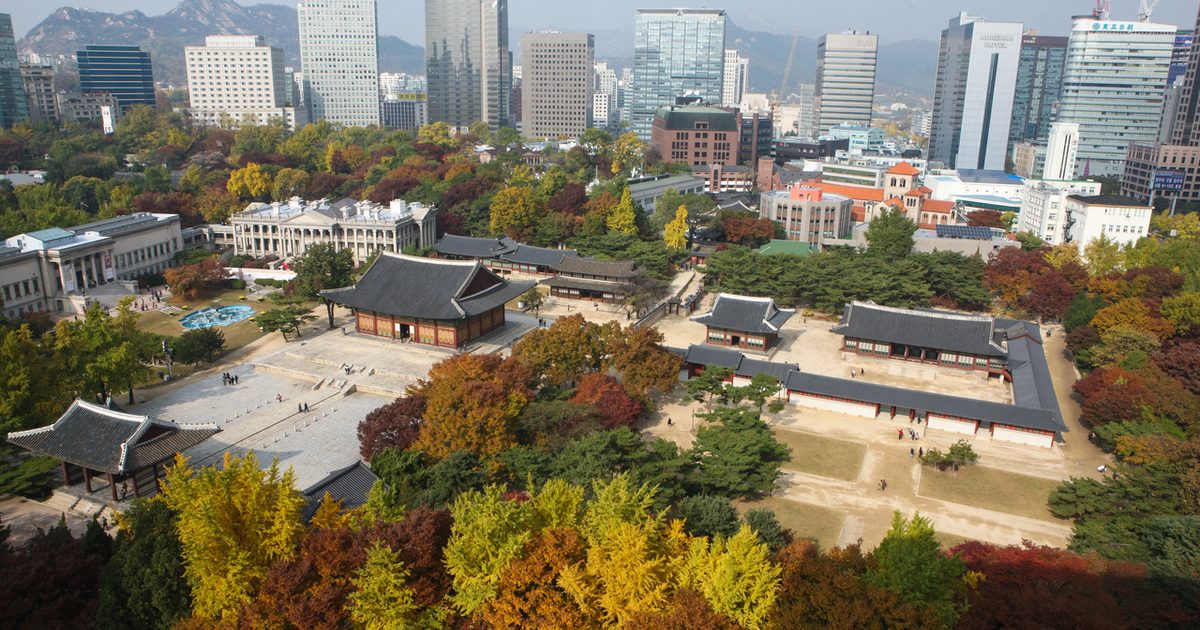
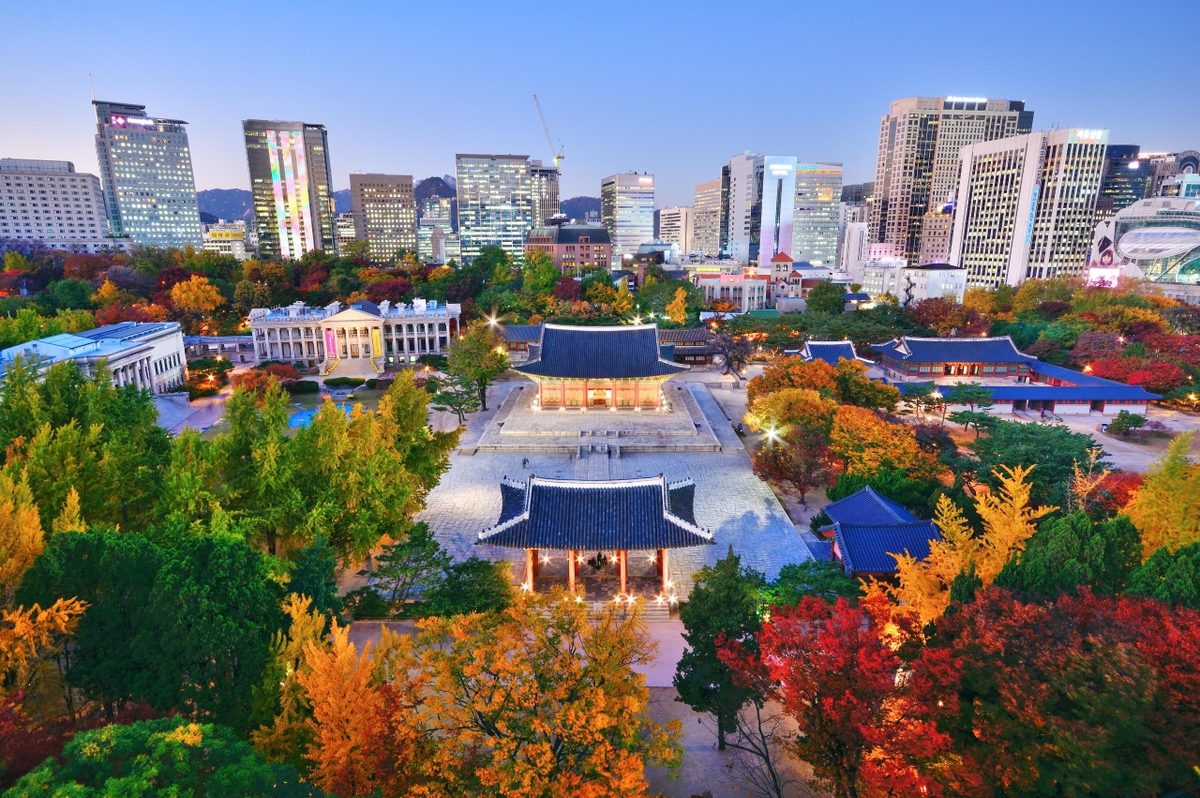
It is easy to forget, standing at the Daehanmun gate just two blocks from City Hall Station, that a space like this exists in the middle of Seoul. The noise of the city drops away almost immediately. In September, Deoksugung Palace rewards evening visitors more than daytime ones: as the sun goes down, floodlights spread across the stone facade of Seokjojeon Hall and the silhouette of a century-old imperial palace begins to take shape.
Why September — the Right Temperature, the Right Darkness
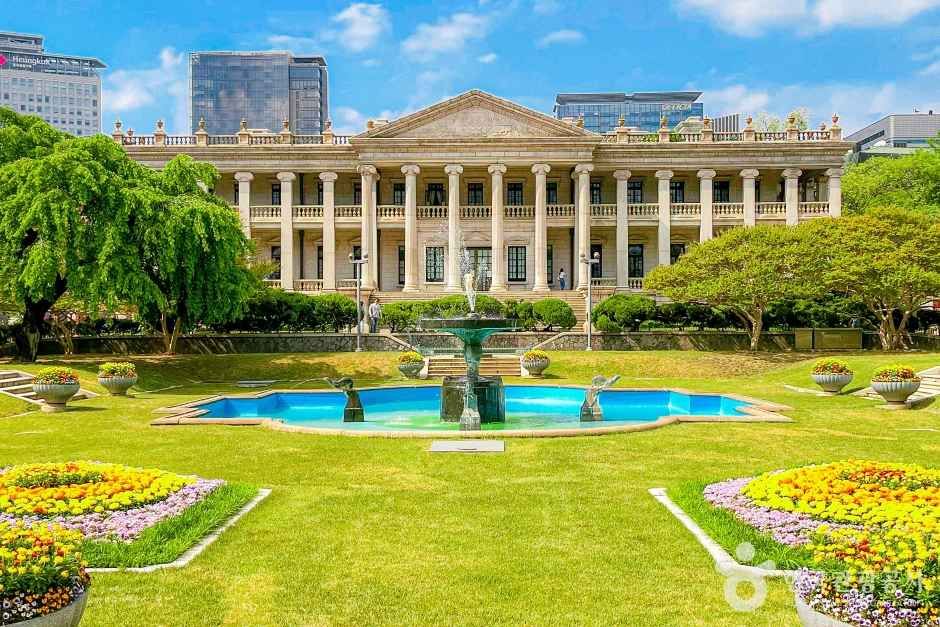
After a sweltering Seoul summer, September brings a gradual easing of the heat. The evening light that falls across the stone-wall path (doldam-gil) bordering the palace carries a colour entirely different from the midday glare. Night opening runs year-round: if you enter before the last admission at 8 p.m., you have until 9 p.m. to wander at leisure. Capturing a photograph in front of the floodlit fountain before Seokjojeon Hall is reason enough on its own.
Key Facts: Free on Wednesdays, Free in Hanbok Any Day
The standard adult admission fee for visitors aged 25 to 64 is ₩1,000. There are two ways to pay nothing at all.
The first is to visit on a Wednesday. From 5 August 2026, Deoksugung is free to enter every Wednesday. No advance booking or registration is required — simply arrive. It is a rare chance to stop by after work without any planning.
The second is to wear hanbok, traditional Korean dress. Visitors in hanbok enter free regardless of the day or time. Bring your ID. Rental shops near the palace gates offer hanbok hire if you would like to try it; the combination of traditional dress against the European-style stone buildings creates a distinctly unusual atmosphere.
Note that the palace is closed every Monday. Operating hours are 9 a.m. to 9 p.m. daily, with last admission at 8 p.m.
What to See Inside — a Suggested Route
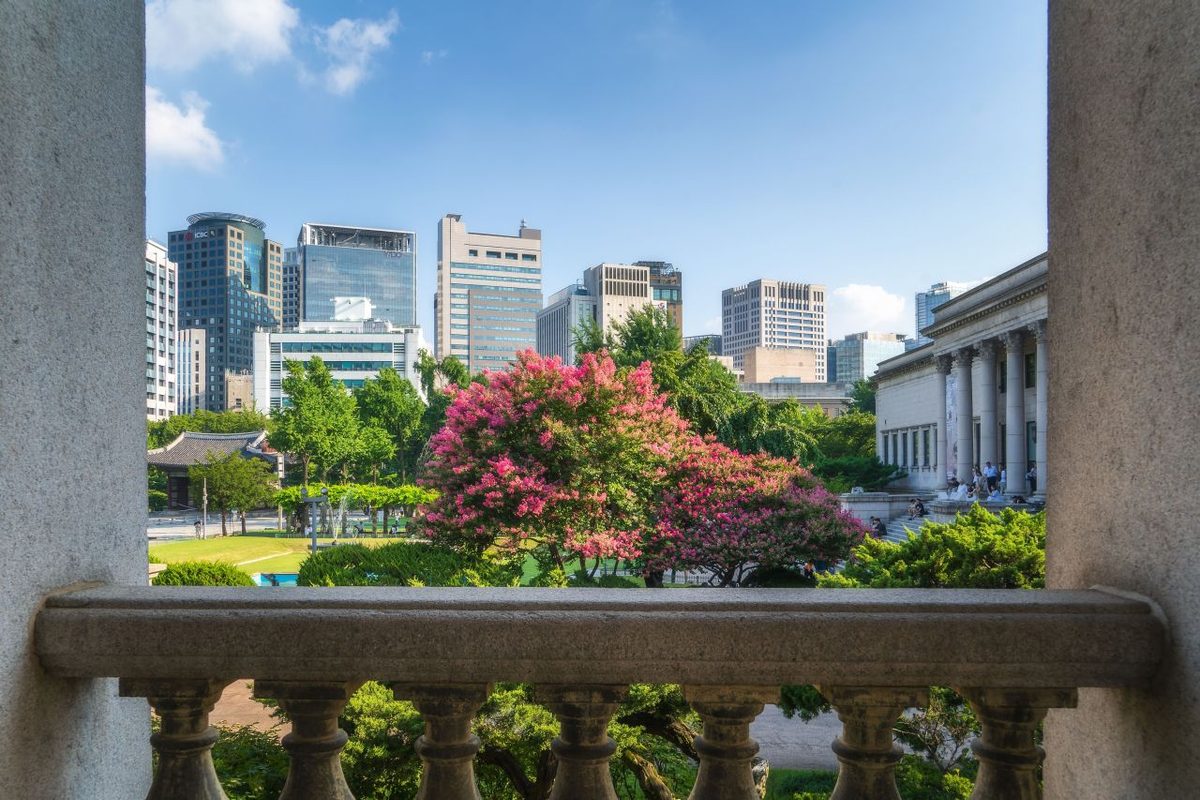
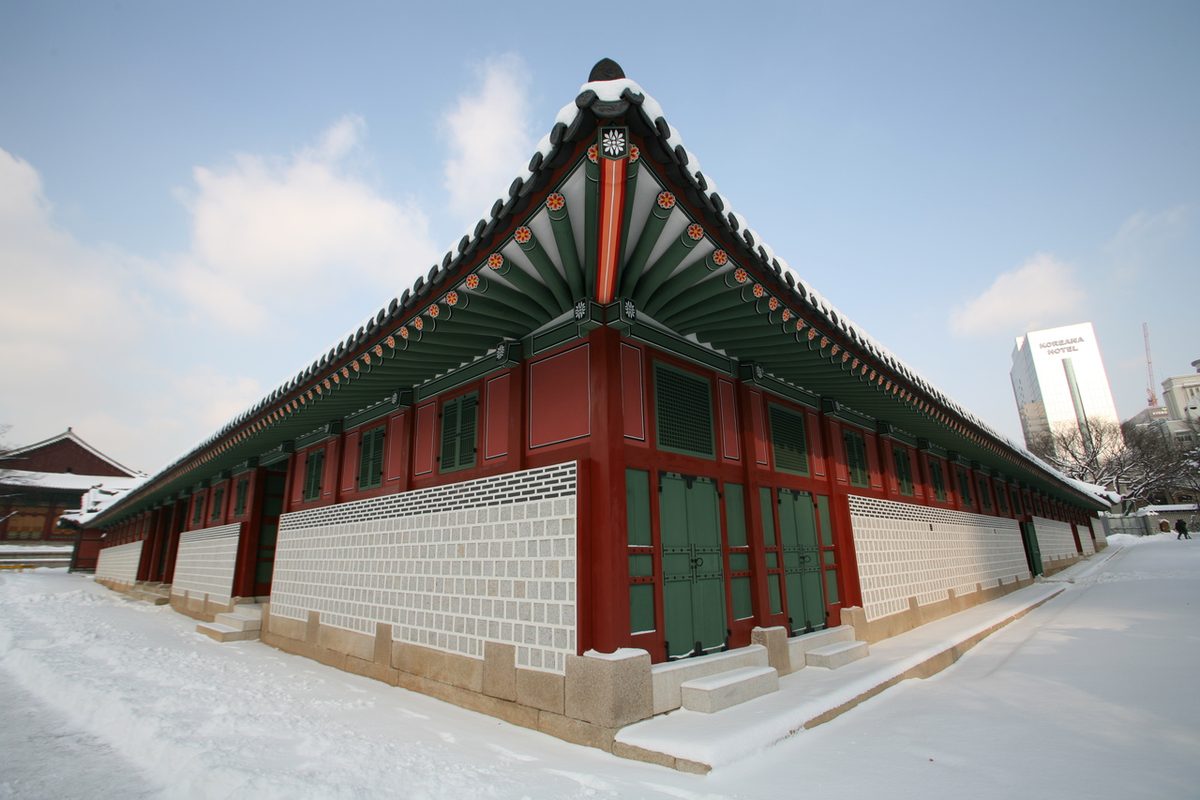
Entering through Daehanmun gate, you pass the site of the royal guard-changing ceremony before heading toward Junghwajeon Hall. The sight of Joseon-era wooden pavilions standing alongside Western-style stone architecture in a single courtyard is unique to Deoksugung — something you will not find at Gyeongbokgung or Changdeokgung. The remnants of the Korean Empire are concentrated in this one space.
Beyond Junghwajeon lies Seokjojeon Hall, a Neoclassical building completed in 1910. Under evening floodlighting it looks entirely different from its daytime self. The fountain plaza in front of Seokjojeon is the highlight of the evening walk. Be aware, however, that Dondeogjeon Hall will be closed to visitors from 1 September to 25 October 2026; check the latest operational status on the Palace and Royal Tomb Management Office's official website (royal.khs.go.kr) before you go.
Getting There and Nearby Connections
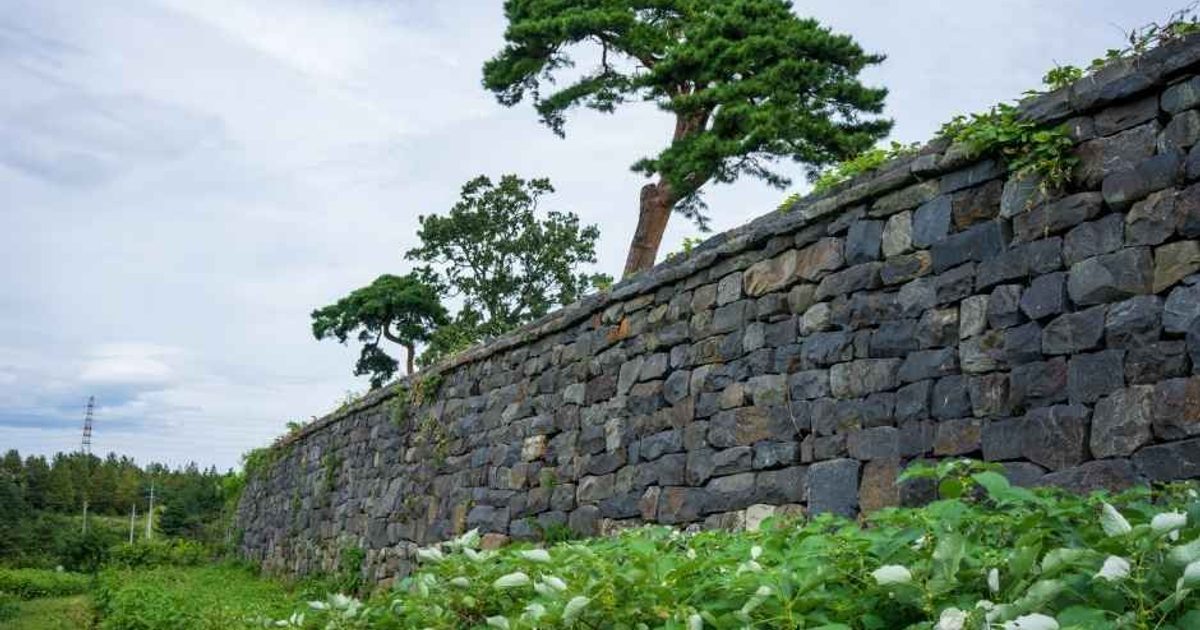
Deoksugung is a two-minute walk from City Hall Station (Seoul Metro Lines 1 and 2). Few palaces in the Korean capital are this easy to reach. The doldam-gil stone-wall path that begins right beside the main gate is itself one of Seoul's most-walked urban strolling routes; looping around it before or after your night visit pairs naturally with the palace.
The National Museum of Modern and Contemporary Art, Deoksugung (MMCA Deoksugung) is also located inside the palace grounds. Admission is charged separately; check exhibition schedules on the MMCA official website. Combining a gallery visit with the evening palace stroll fills a Seoul evening very comfortably.
Visitor Tips
Weekend evenings draw the largest crowds. Wednesday nights are free and weekday after-work hours tend to be noticeably quieter. If photography is your priority, aim to arrive after 7 p.m., when the lighting is fully on. Autumn nights in Seoul cool down faster than expected, so bring a light layer. For ₩1,000 — or nothing at all — very few places in the city centre let you move through history this slowly.