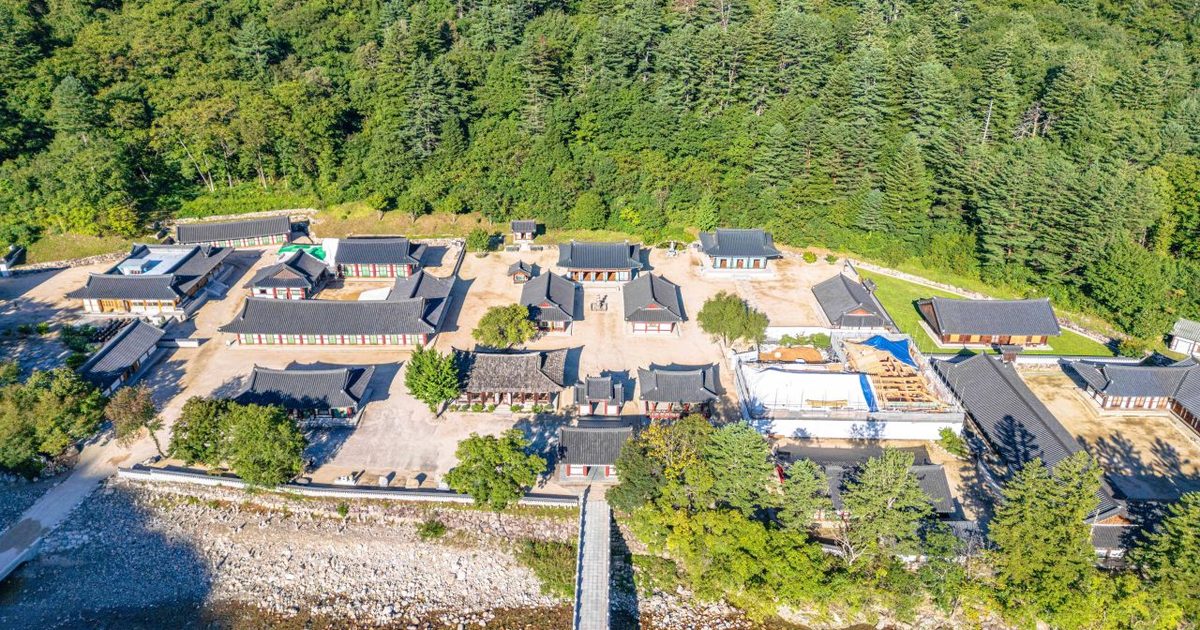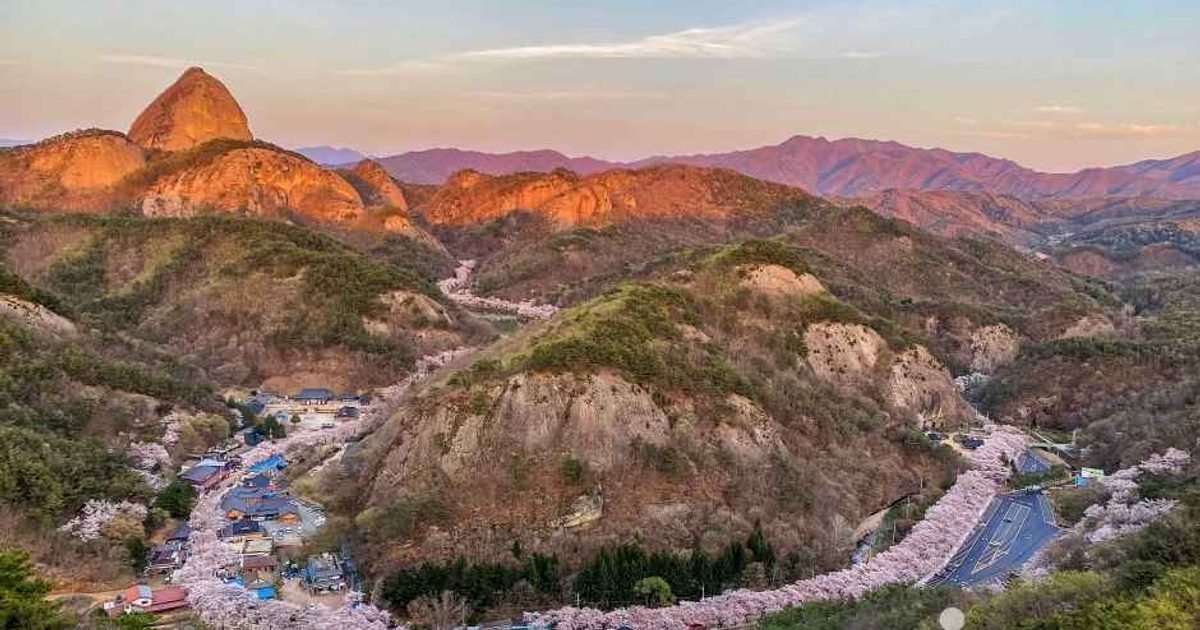
Maisan Tapsa in Jinan, North Jeolla Province, is one of those places that exceeds expectations even after you've seen the photos. A tight temple courtyard packed with oval stone towers that rise well above head height creates a sight found nowhere else in Korea.
Why September
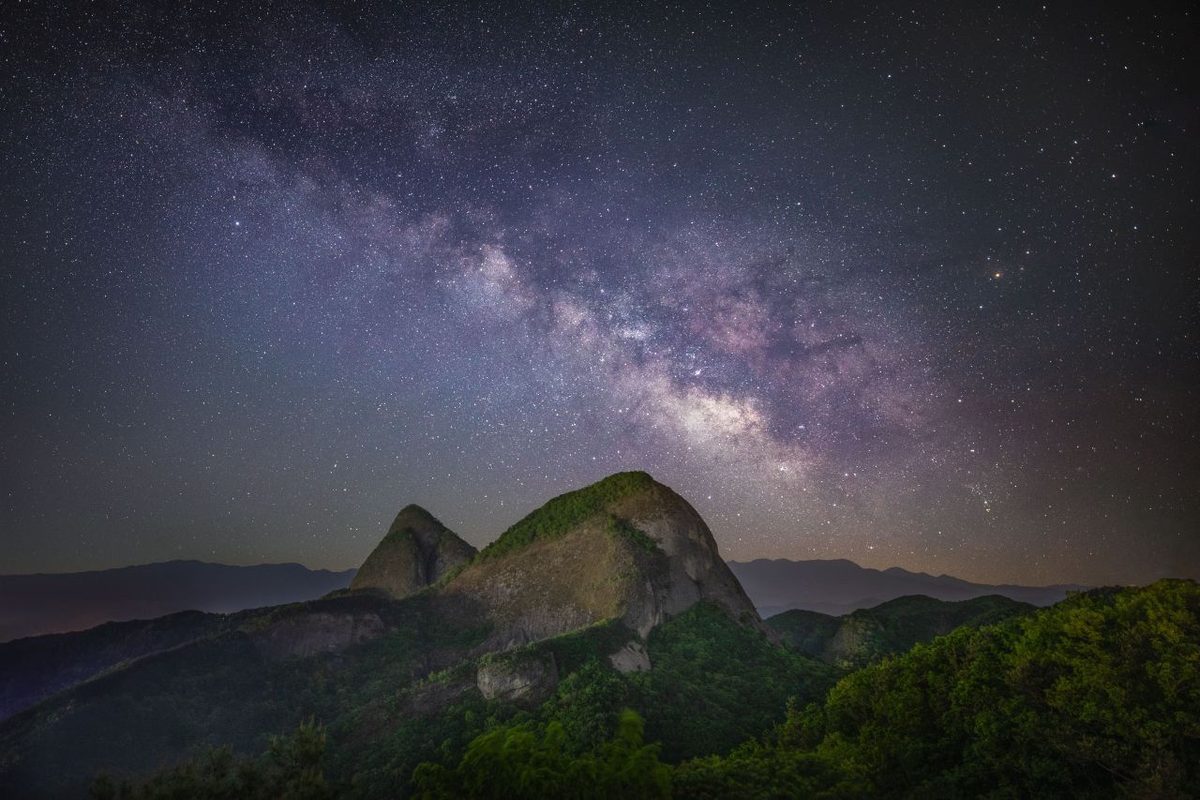
Full autumn colour doesn't arrive until October, but September has its own case for a visit. The summer crowds have thinned, a cool breeze picks up in the mornings and evenings, and walking among the towers becomes a noticeably more relaxed experience. Above all, September's clear autumn light sharpens the texture of every stone surface. Morning is the best time to arrive—the angle of the shadows cast between the pagodas shifts from minute to minute.
What Makes the Stone Pagodas Extraordinary
The pagodas at Tapsa are said to have been built single-handedly by a late Joseon-era hermit named Yi Gap-ryong, who spent his days hauling and stacking stones and his nights in prayer over a period of decades. Some records put the construction at around 30 years; others say roughly 70. The exact figure is unknown, but the weight of that dedication is felt the moment you stand in front of the towers.
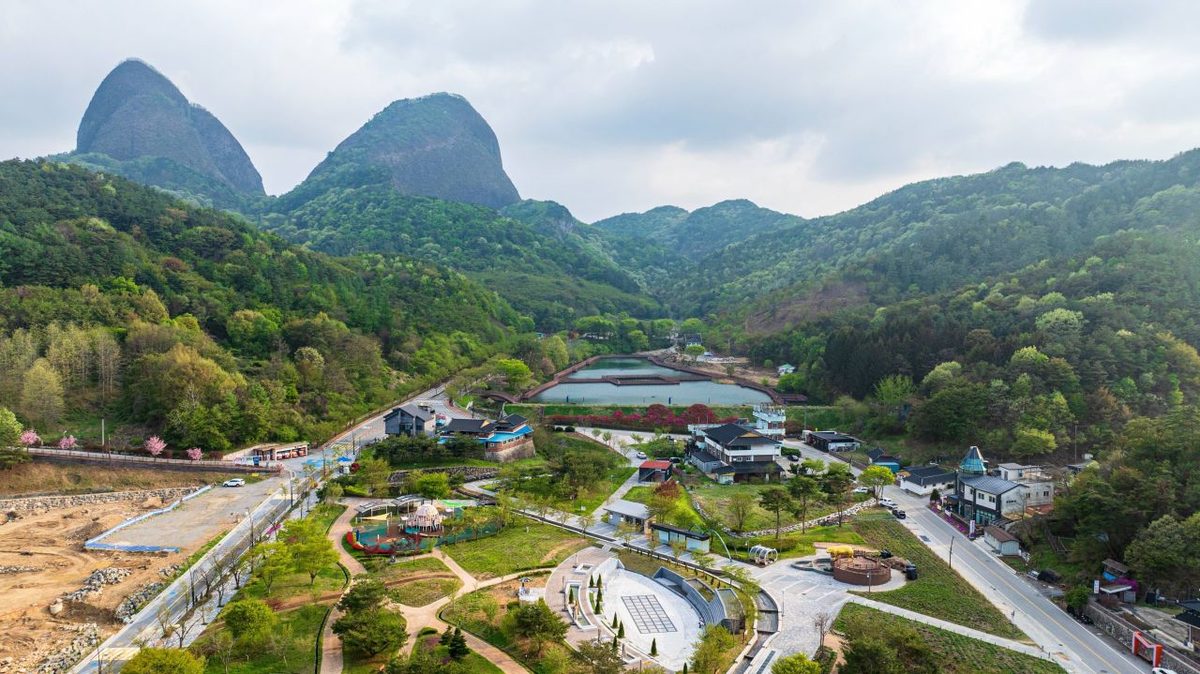
The most striking thing is the engineering. No cement, no adhesive of any kind—only gravity holding stone against stone—yet the pagodas have survived typhoons and rainstorms for more than 100 years. They are said to embody the principles of yin-yang and the Five Elements, forming a small cosmos within the temple grounds. The tallest and most prominent are the pair known as the Cheonji Towers, standing directly behind the main hall. Yi Gap-ryong is said to have completed 108 pagodas during his lifetime; around 80 survive today.
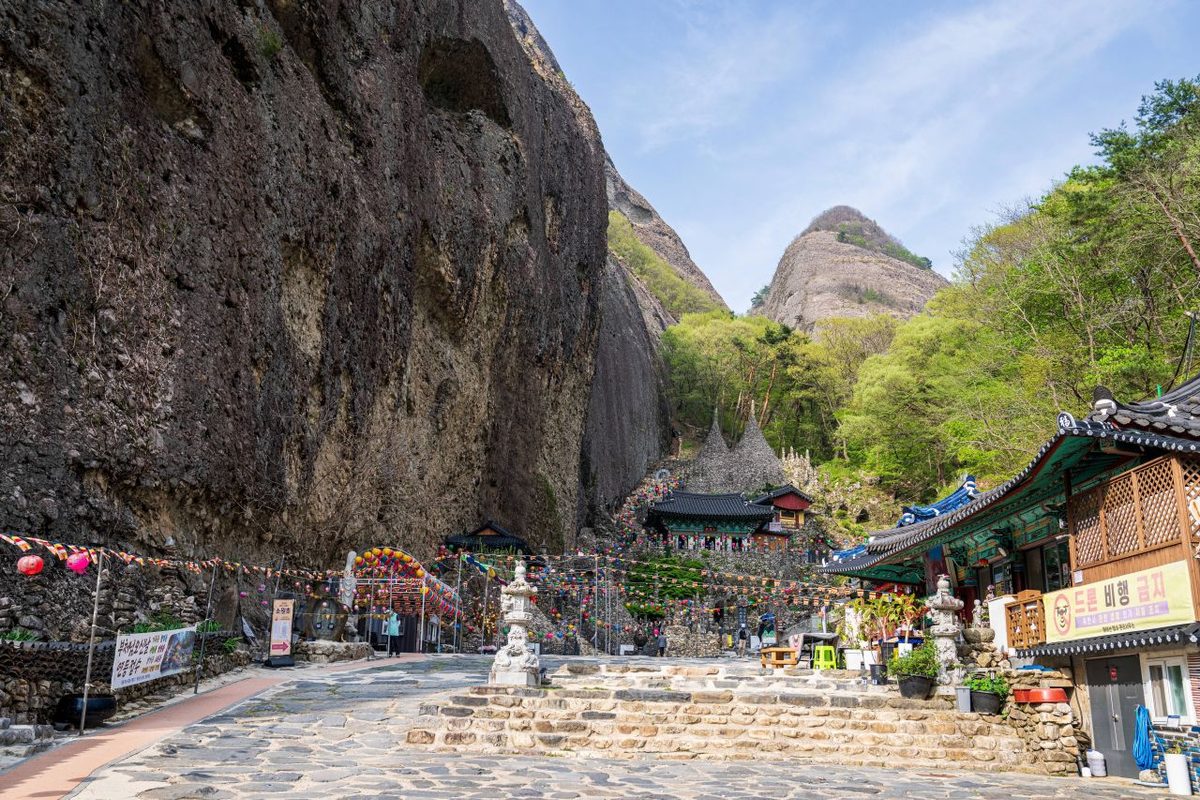
Beyond Tapyeongjae there is a hands-on area where visitors can try stacking stones themselves. Balancing even three or four small rocks quickly makes Yi Gap-ryong's achievement feel all the more extraordinary.
Getting There
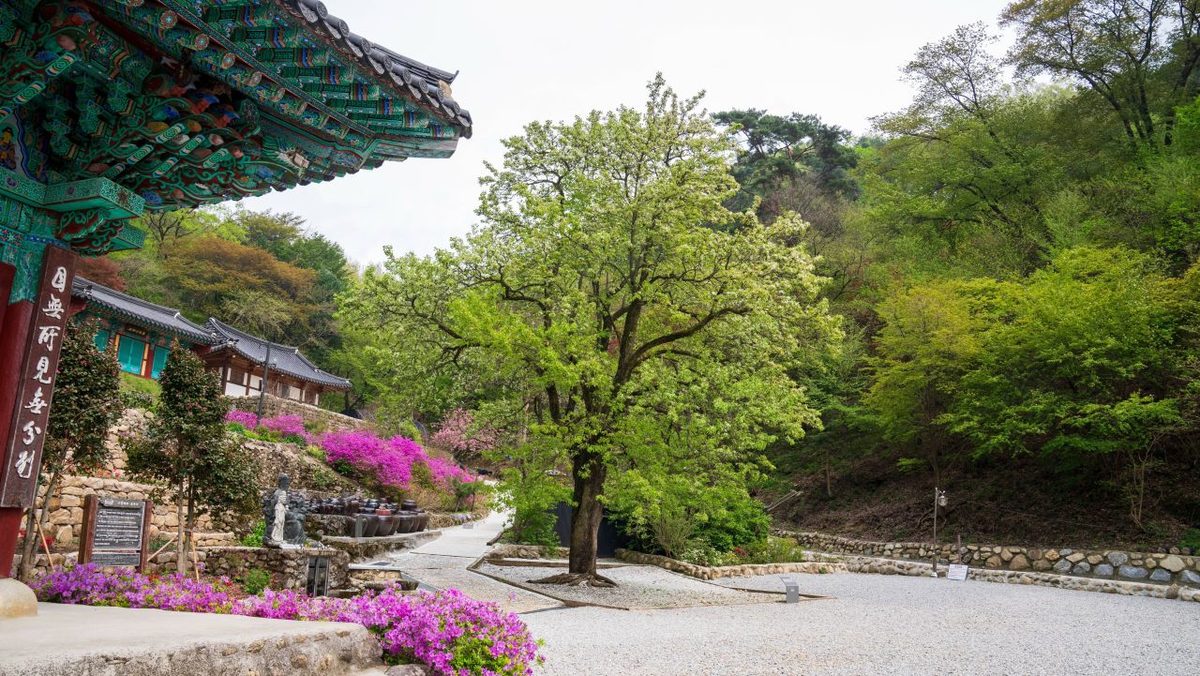
Maisan Provincial Park is located in Jinan-gun, North Jeolla Province (Jeollabuk-do Special Self-Governing Province). By car, take the Honam Expressway, exit at Jeonju IC, and follow the national road toward Jinan. The drive from Seoul takes approximately two and a half hours. By public transport, take a bus from Jeonju Intercity Bus Terminal to Jinan, get off at Jinan Terminal, and transfer to a rural bus bound for Maisan.
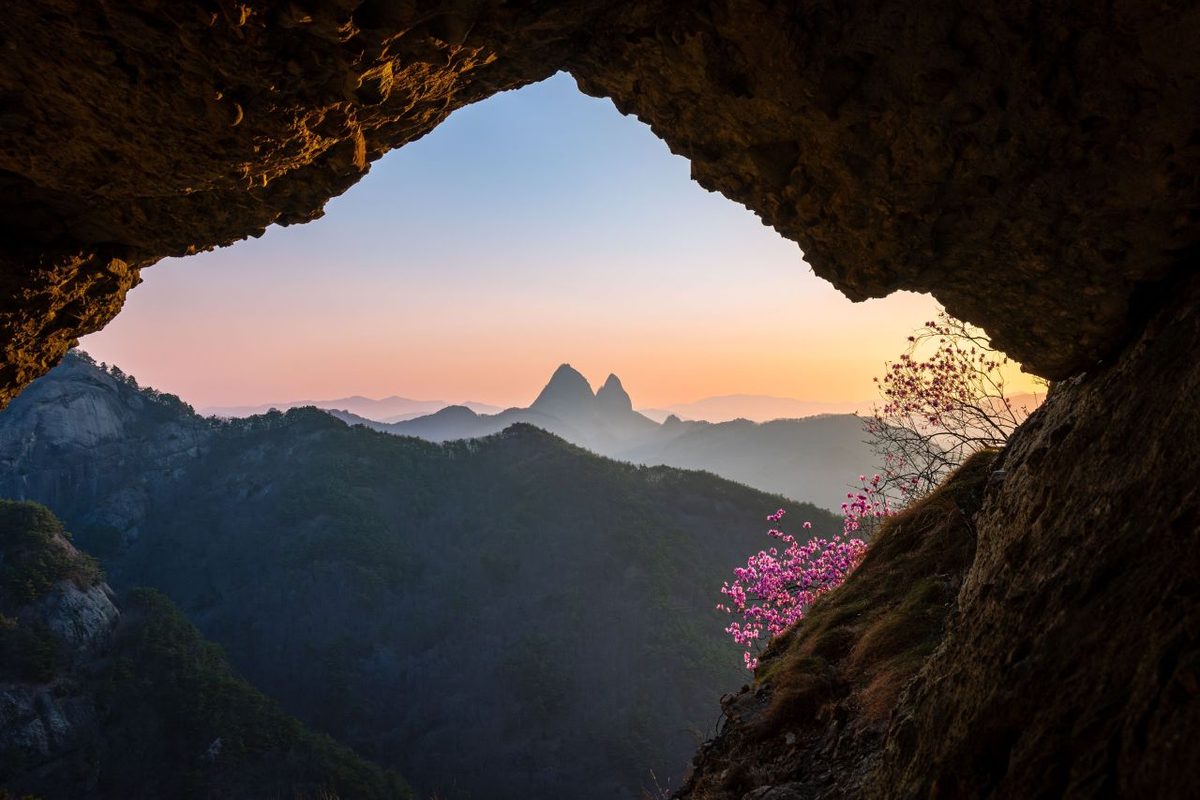
The main trail begins at the southern car park (Nam-bu Parking Lot), passes Tapyeongjae Pond, takes in Tapsa and Eunsusa Temple, then continues through Cheonhwangmun Gate to the summit of Ammaiбong Peak (687.4 m)—a total distance of approximately 3.3 km. Tapsa alone can be seen in around one hour; if you add the Ammaiбong climb, allow two to three hours for the return trip.
Practical Information
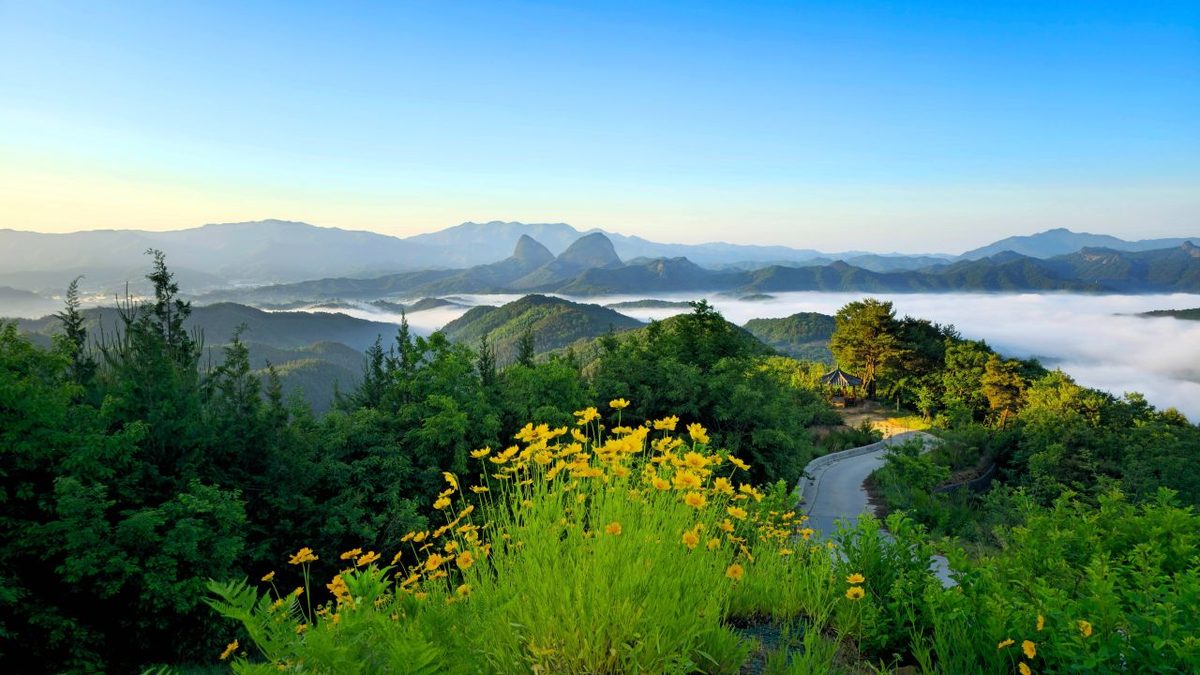
Parking at the southern car park is free. Admission to Tapsa is charged. Summer operating hours (March–October) run from 09:00 to 18:00. Late-September weekends see early-season autumn travellers beginning to arrive, so reaching the site in the morning will make for a more comfortable visit. Note that the pathways between the pagodas are narrow and may be difficult to navigate with a pushchair or wheelchair.