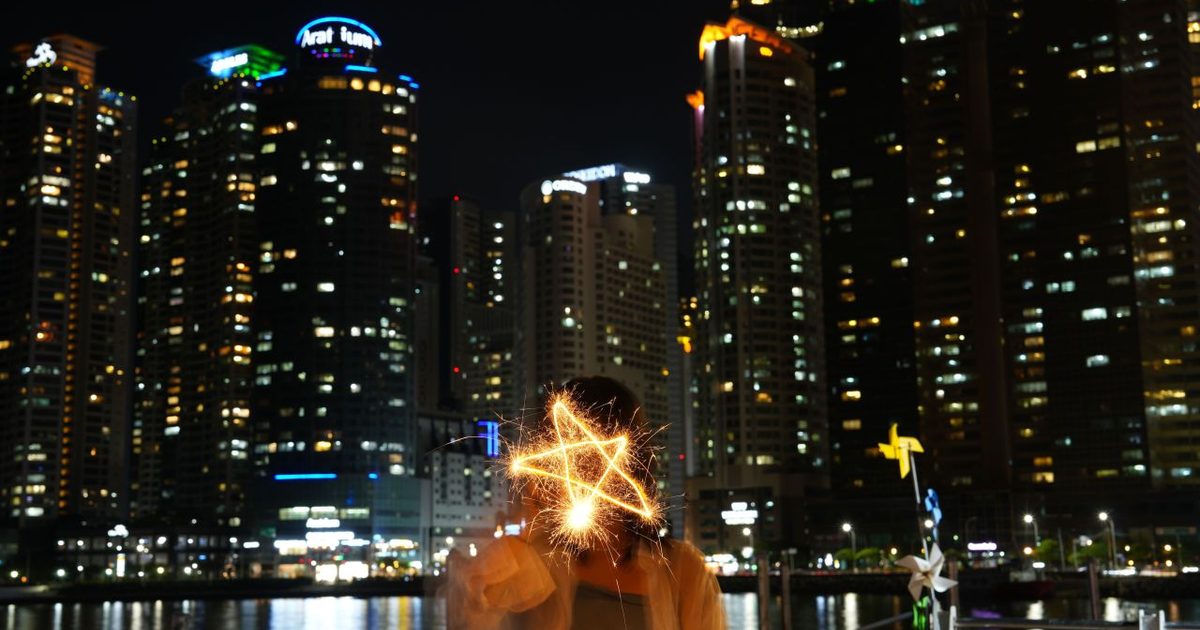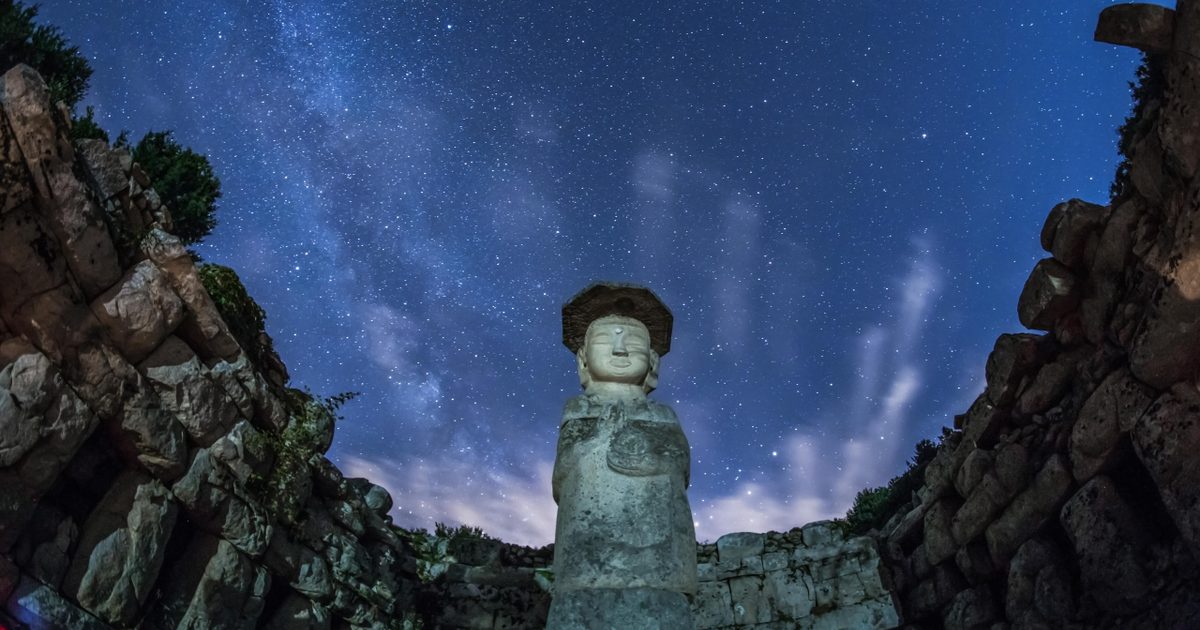
When most visitors think of a summer night view in Busan, Haeundae Beach or Gwangalli Waterfront come to mind first. Local Busanites, however, quietly recommend another option: looking down at the city's lights from the ridgeline of Geumjeongsan. The sensation of watching an entire metropolis glow from a mountaintop is a different experience altogether from watching it from sea level.
Why August Is the Right Time
Summer might seem like a tough season to climb Geumjeongsan, but August evenings tell a different story. Once the daytime heat dissipates, a steady breeze picks up along the ridge. Walking through the dense pine forest at night offers air that is a world away from the tropical heat trapped in the city below. Another advantage: the long summer days mean you can set off in the late afternoon, reach the ridgeline while it is still light, and time your arrival perfectly for the moment the city lights come on. One caveat — sea fog rolls in off the coast during May through August, so choose a clear evening with good visibility before you go.
Korea's First Urban National Park
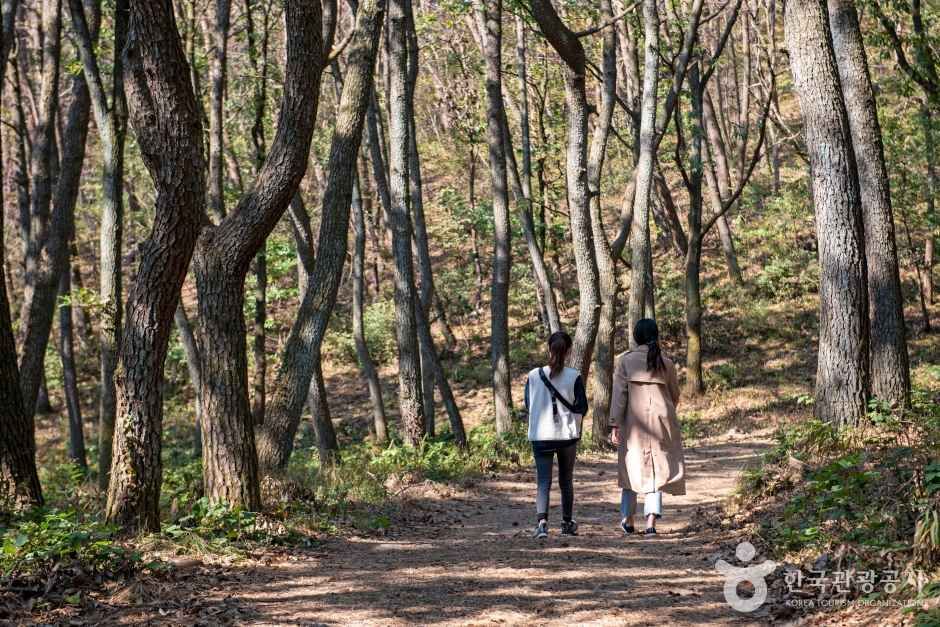
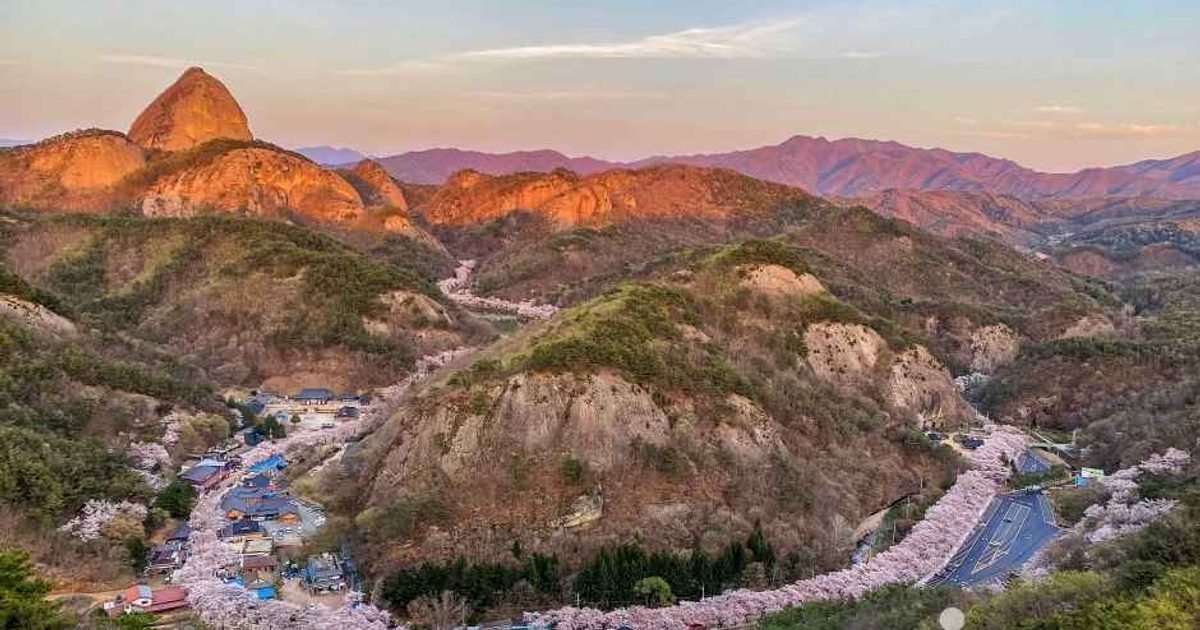
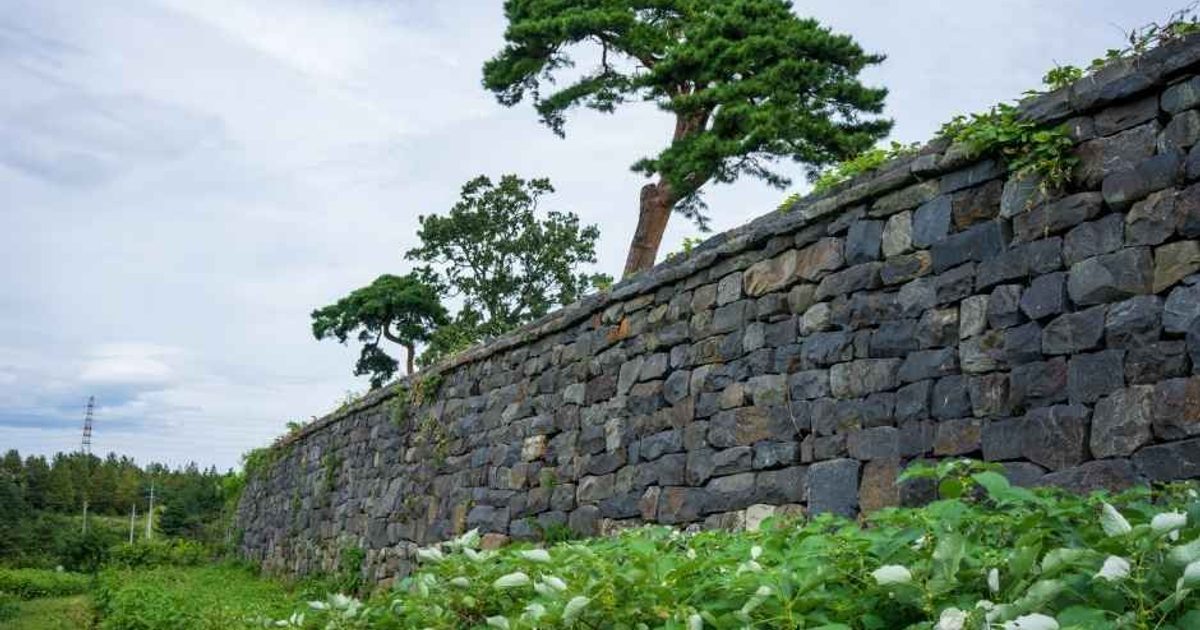
Geumjeongsan was designated South Korea's 24th national park in October–November 2025. Because it spans six of Busan's autonomous districts as well as Yangsan City in South Gyeongsang Province — rather than a remote mountain interior — it earned the title of Korea's first urban-type national park. Its designated area, which includes Baekyangsan along the Nakdong Mountain Range, covers 66.859 km², a scale comparable to Bukhansan National Park (79.9 km²). Even before the designation, the mountain drew more than 3.12 million visitors a year; that figure is projected to reach around 4 million following designation. The park is home to roughly 1,700 species of flora and fauna, including 14 endangered species, and preserves 127 cultural heritage items. The Busan Development Institute has estimated the mountain's economic value at 6.6 trillion Korean won.
Viewpoints and Ridge Walking
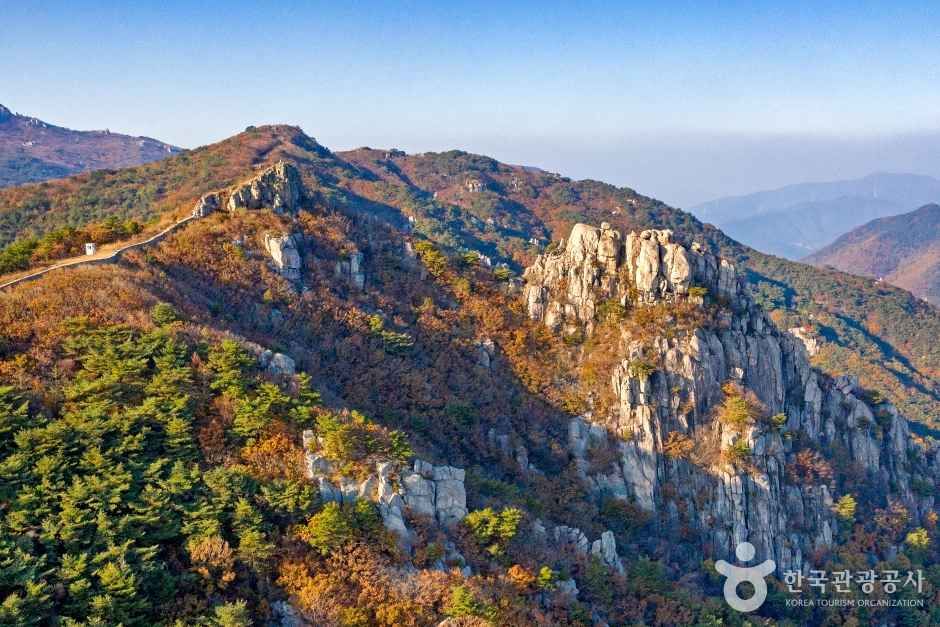
The various peaks along Geumjeongsan's ridgeline each frame the city differently depending on the direction they face. The Wonhyobong area is known for views of central Busan and the streams below, while the Paribong Observatory opens up a panorama towards the Nakdonggang River and the Gimhae plain. Near the summit, Godangbong (801.5 m), broad views extend over Busan's Buk-gu district and the Yangsan direction. Experienced local hikers typically arrive at the ridge one to two hours before sunset to secure a good spot for the night view.
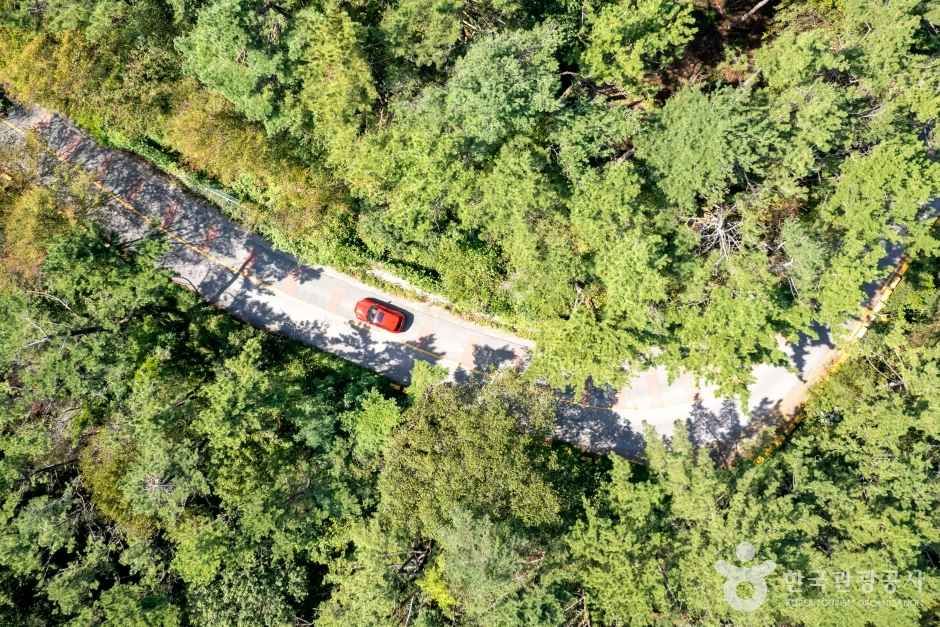
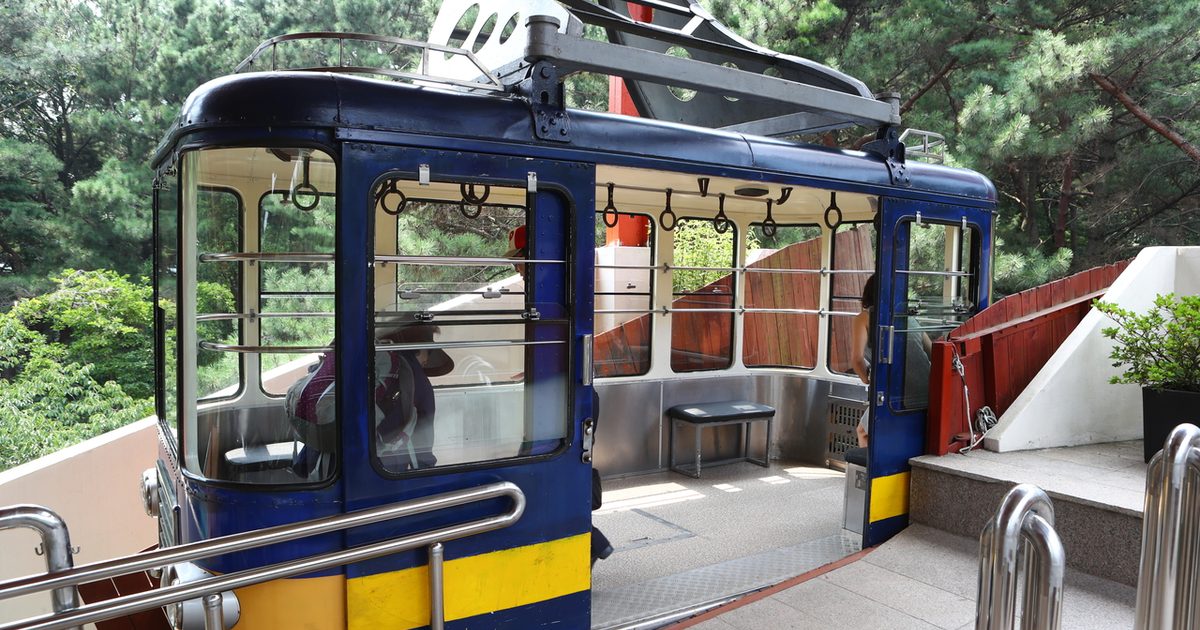
One critical logistical point: the Geumgang Park cable car runs its last car at 18:00 on both weekdays and weekends during the May–October season. This means that if you want to watch the city after dark, the cable car is not an option — the trail is the only way. A head torch and spare batteries are essential gear for the descent.
Getting There
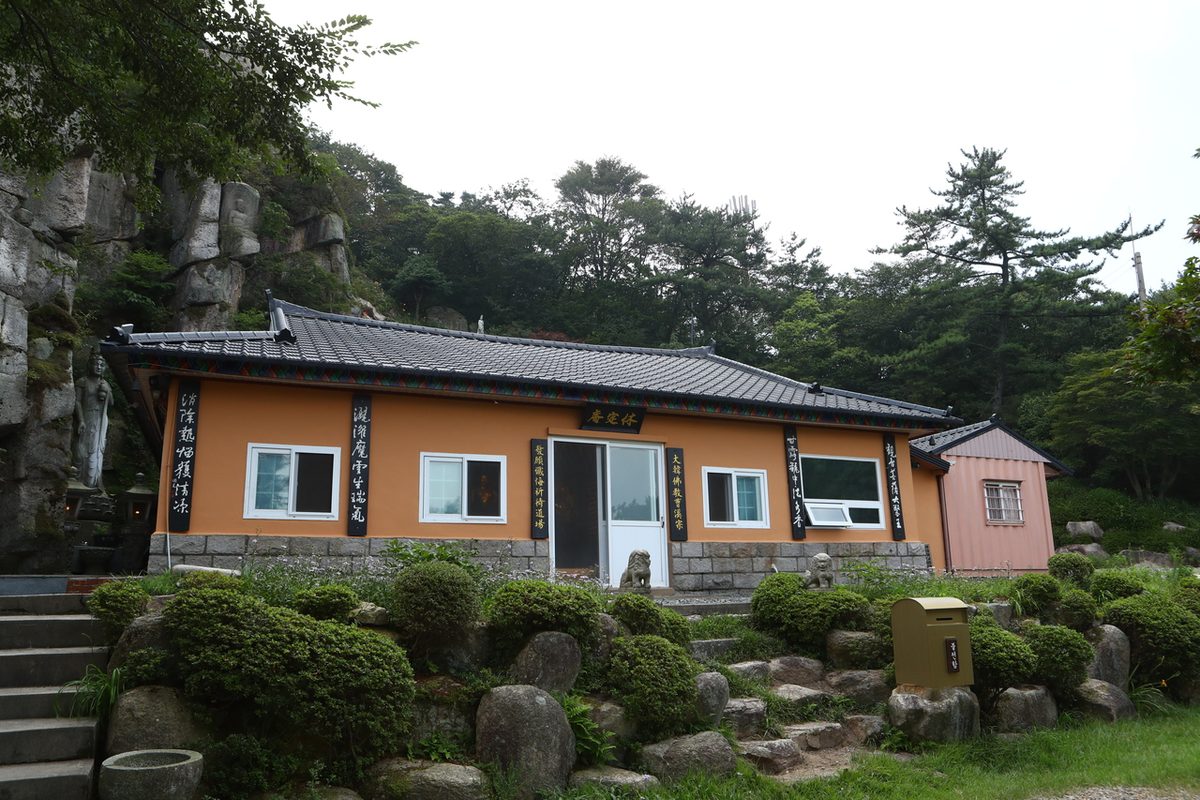
The most accessible approach is from Beomeosa Station on Busan Metro Line 1: head toward Beomeosa Temple and follow the trail up to the ridgeline. For the descent via Sanseong Village, take Bus 203 from Oncheonjang Station Exit 5 (also on Line 1) and get off at Geumseong-dong Community Service Center. If you descend toward the east gate (Dongmun), the nearest bus stop is a 5–10 minute walk.
Practical Tips
Since the national park designation, some trails may have been closed or rerouted for maintenance. Check the Korea National Park Service's official channels for current trail conditions before you visit. Hidden spots such as Geumsaem spring have few signposts, so downloading a GPS track in advance will save a lot of uncertainty. After the hike, the original brewery of Geumjeongsan-seong Makgeolli sits near the Sanseong Village bus stop. This milky rice wine is said to have refreshed the workers who built the mountain fortress walls during the reign of King Sukjong of Joseon, and it holds the distinction of being designated Korea's Folk Liquor No. 1. Many hikers wrap up their night on the mountain with a bowl here.