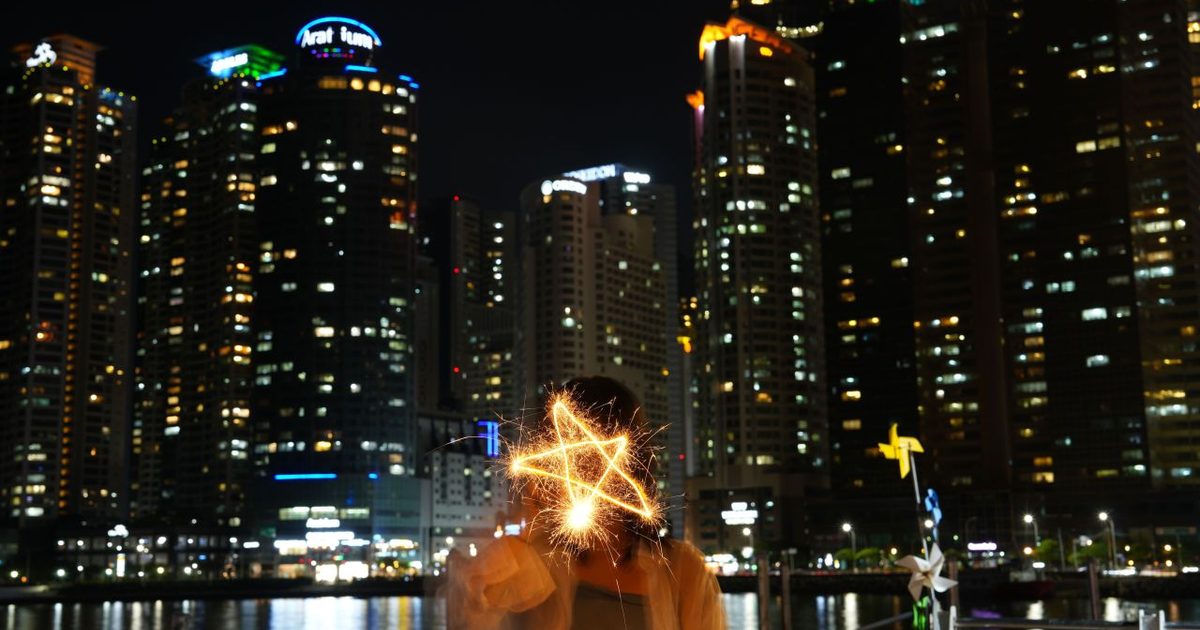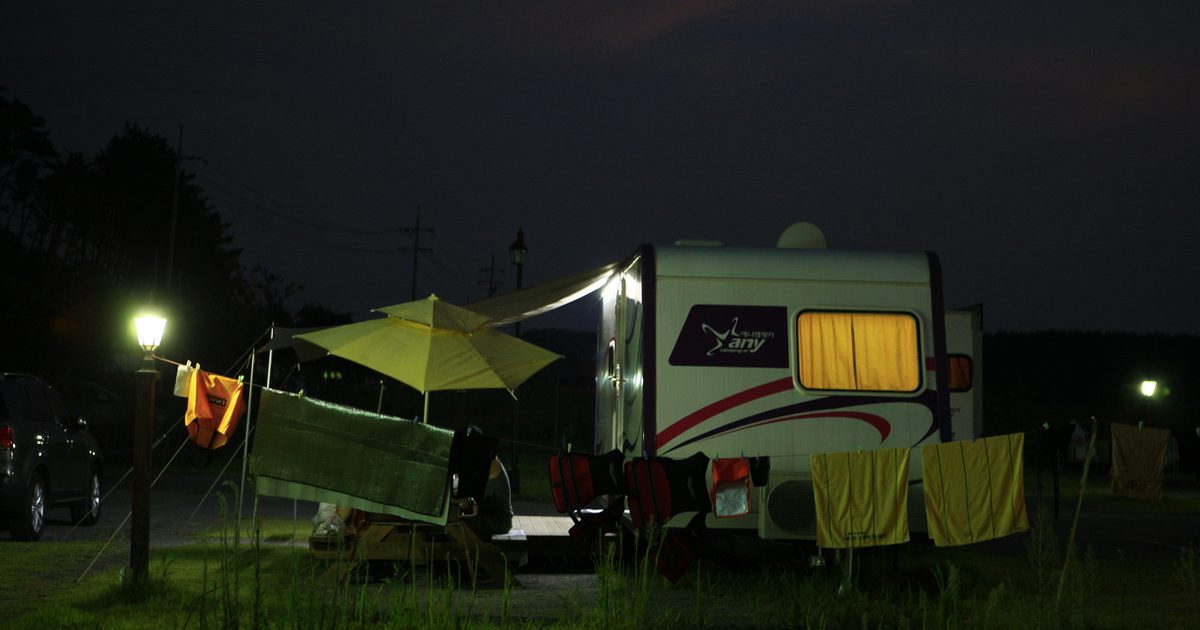
Most summer travel decisions are made with the daytime in mind. At Kkotji Beach (꽃지해수욕장) on Anmyeondo Island, however, the real experience begins after the sun goes down. Two sea stacks rising at the end of a 3.2 km stretch of white sand emerge as silhouettes against the evening sky — a sight that immediately explains why this spot is counted among Korea's defining sunset destinations.
Why August — Long, Warm Summer Evenings
On the West Sea in August, sunset begins around 7:30 p.m. The long days mean you can leave after work and still arrive in plenty of time. A swim at the beach flows naturally into an hour of watching the light change. At low tide, a sandbar rises to connect both rocks to the shore, and the sun sets in a near-perfect alignment between the two stacks — drawing a steady stream of photographers who line up for that precise framing.
The Story Behind the Rocks
Halmi Rock (Grandmother Rock) and Halabi Rock (Grandfather Rock) are tied to a legend from the mid-9th century. During the era when General Jang Bogo commanded the Cheonghaejin garrison, the wife of a general named Seungeon waited so long for her husband to return from across the sea that she turned to stone. Standing on the beach and looking up at the two formations, even from a distance they appear as an elderly couple facing each other. Against a sunset backdrop, the thousand-year-old weight of that waiting becomes strangely immediate.
The Beach and Coastal Park — Dawn to Dusk
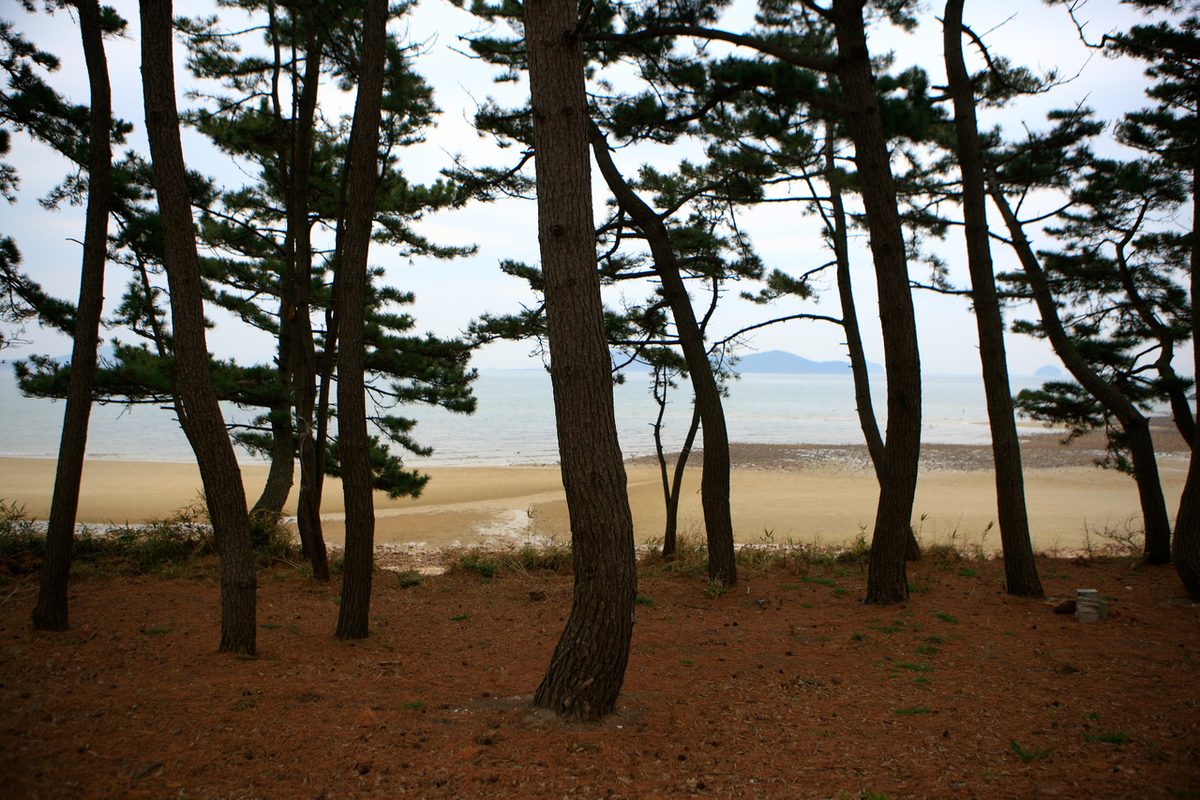
Kkotji Coastal Park was developed in connection with the 2002 Anmyeondo International Flower Exhibition and opened to the public as a seaside park after the event. Covering roughly 60,000 pyeong (approximately 198,000 m²), it features year-round flower gardens that make it worth visiting for a stroll even apart from the beach. Picnic areas, a campground, and pergolas offer spots to relax; beach volleyball courts and a mini football pitch are available for the more active. Restrooms, shower facilities, and drinking fountains are all on site, so you can move straight from swimming into sunset-watching without any extra preparation. Both admission and parking are free.
After Sunset — A Different Kind of Night
The trip does not end when the colors fade. Walking the beach in the dark, listening to the waves, carries a completely different texture from the busy midday hours. The shore actually quiets down shortly after sunset, making it a good time for long-exposure photography with the two rocks as your backdrop, or simply for sitting on the sand and watching the summer sea at length.
Getting There and Visitor Tips
Kkotji Beach is located at 339-586 Seungeon-ri, Anmyeon-eup, Taean-gun, Chungcheongnam-do. Parking is free. By car from Seoul, take the West Coast Expressway (Seohae Expressway); the drive is generally 2.5 to 3 hours. By public transport, take an Anmyeondo-bound bus from Seoul's Central City Terminal (Nambu Terminal).
Because this is a well-known sunset spot, the car park and beach both become congested on weekend evenings around dusk. A weekday visit is recommended if your schedule allows. Check the Korea Meteorological Administration app for the exact sunset time before you go, and look up the tide forecast at the same time — knowing when low tide exposes the sandbar is the difference between getting the two-rock composition and missing it entirely.