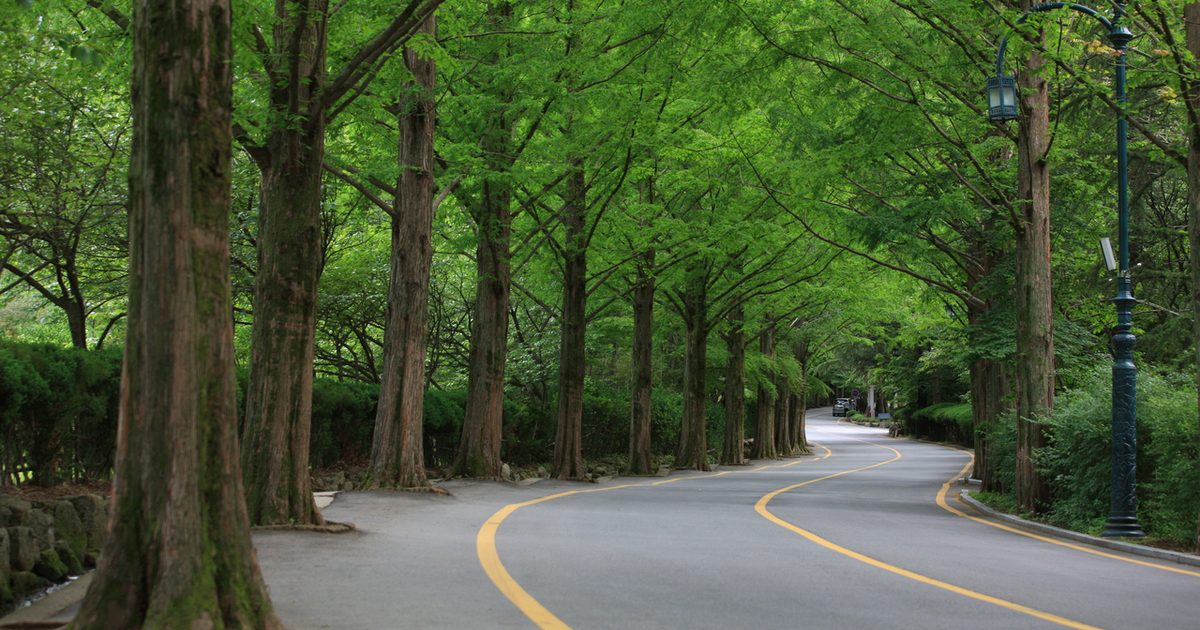
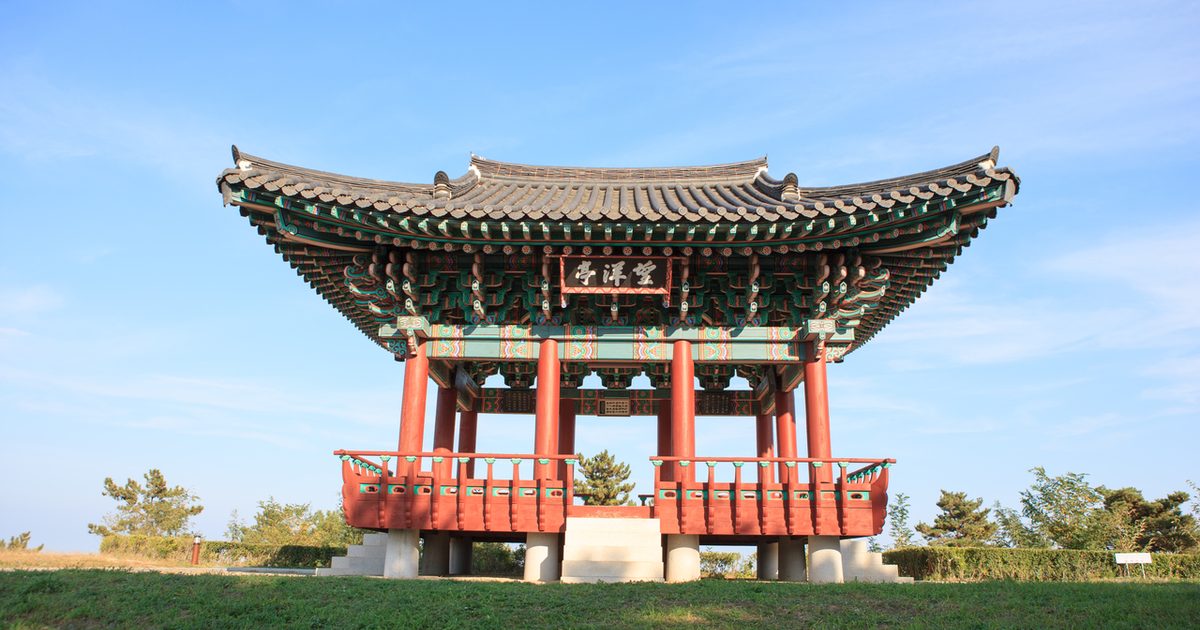
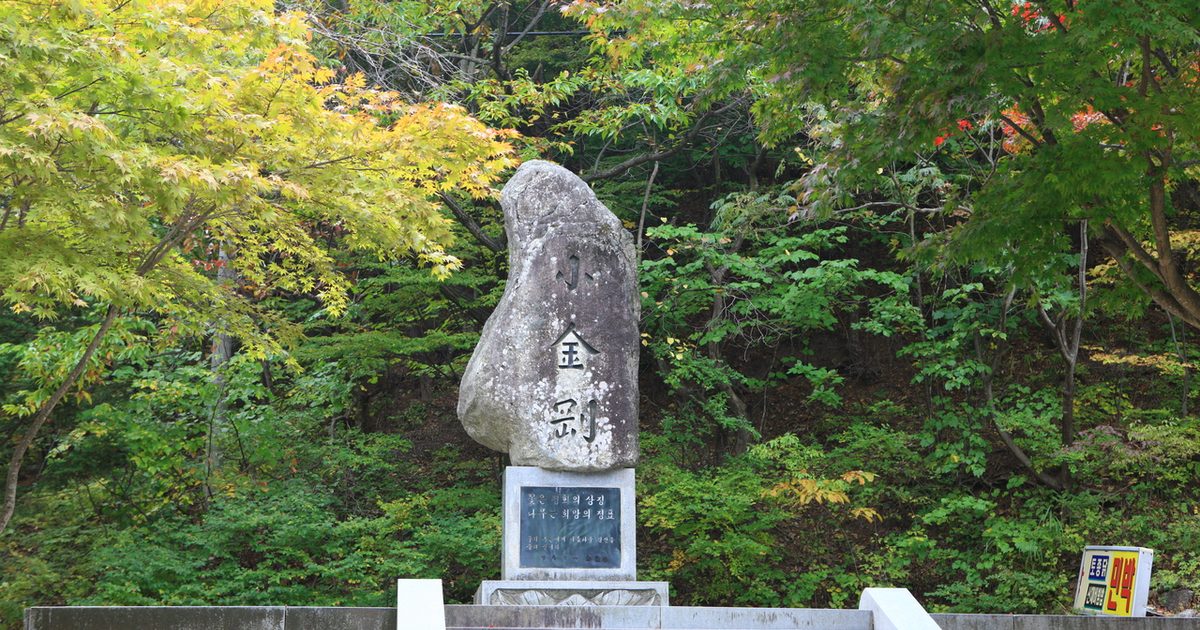
Autumn arrives unusually early on Gyeryongsan. While city trees are still holding their summer green, Gapsa Temple — tucked into the mountain's northwestern flank in Gongju, South Chungcheong Province — has already shifted into a different season. Walk the Ori Forest Path lined with old Korean red pines and zelkova trees, and you will notice that the light breaking through the branches has a quality entirely unlike summer.
Why Visit Gapsa in September
The phrase *chunmagok chugapsa* (춘마곡추갑사) — "Magoksa in spring, Gapsa in autumn" — has been passed down for generations to mean that each temple claims a different season as its finest. Within Gyeryongsan National Park, Gapsa owes its autumn reputation almost entirely to the Ori Forest Path: a roughly 2 km trail from the main car park to Daeungjeon Hall, flanked on both sides by trees more than 150 years old. First-time visitors often say the path itself stays with them longer than the temple. The peak foliage period falls between late September and early October, when visitor numbers rise accordingly.

What to See and How to Walk
Gapsa offers two autumn routes. The first is the Ori Forest Path — a slow, unhurried walk from the car park to Daeungjeon Hall through the old-growth forest. The slower you go, the better. The second is the valley trail, which branches off from inside the temple grounds toward the stream. By September the water level has dropped from its summer high, making it easy to walk beside the rocks and listen to the current. Gapsa itself was founded during the Baekje period, making it a thousand-year-old temple, and the grounds hold multiple shrine halls and auxiliary buildings. Several hermitages are also scattered in the surrounding mountain valleys. Allow ample time to explore the complex at a relaxed pace.
Getting There

Gapsa Temple is located at 567-3 Gapsa-ro, Gyeryong-myeon, Gongju-si, South Chungcheong Province. By public transit, buses run several times daily from Gongju Intercity Bus Terminal directly to Gapsa. By car, take the Gongju IC off the Daejeon–Dangjin Expressway and follow the road toward Gyeryongsan. The Ori Forest Path begins right at the car park — once you arrive, there is no need to rush.
Tips Before You Visit
Admission is approximately 2,000 KRW for adults; parking is charged separately. Note that posted fee information may be several years out of date, so confirm the current rates on-site. Because late September and early October draw the largest crowds, car parks can fill early on weekends. Arriving in the morning, walking the Ori Forest Path first, touring the temple grounds, and then returning via the valley trail makes for a well-paced itinerary. At the Hyangto Food Village near the entrance you can try regional dishes including sanchae bibimbap (wild vegetable rice bowl), dotori mukbap (acorn jelly rice soup), and eungi mushroom stew — a satisfying way to round off the outing.